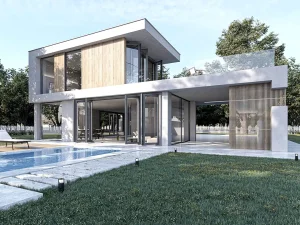
Explore our premium architectural systems engineered for elite thermal performance, weather resistance, and sound insulation.
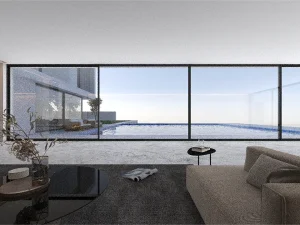
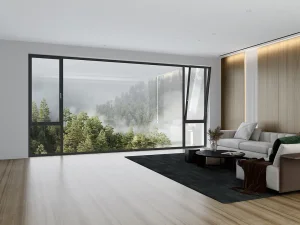
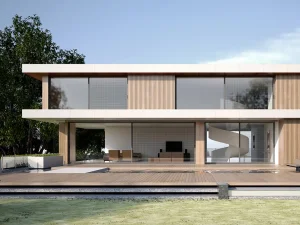
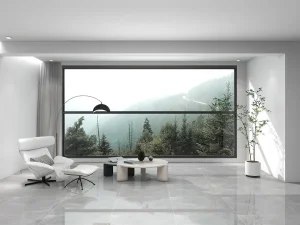
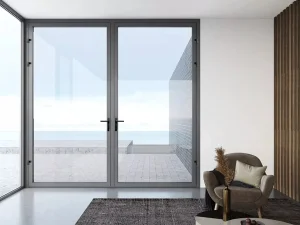
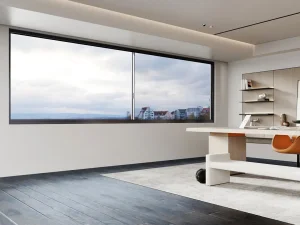
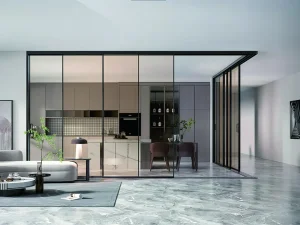
Understanding the structural shift in modern fenestration requirements and high-performance insulated glass systems.
The global construction industry is standing on the precipice of a sweeping regulatory overhaul. With urban structures accounting for nearly 40% of global energy-related carbon dioxide emissions, real estate developers, facade engineers, and architectural design firms are facing stringent pressure to meet aggressive decarbonization mandates. Central to this mission is the envelope of the building, where window and door openings traditionally constitute up to 50% of a structure's thermal energy loss.
In this landscape, double-glazed and system-engineered window components are no longer optional luxuries; they are the foundational benchmark of modern construction. By trapping a sealed layer of inert gas (such as Argon or Krypton) between two panes of precision-coated glass, modern Insulated Glass Units (IGUs) reduce the heat transfer coefficient, commonly referred to as the U-value (or U-factor), by up to 60% compared to obsolete single-pane windows. Combined with advanced frame technologies, such as multi-chamber thermal breaks and co-extruded EPDM gaskets, these systems act as a critical thermal barrier. This drastically cuts down heating, ventilation, and air conditioning (HVAC) reliance, facilitating compliance with energy mandates such as the EU's Energy Performance of Buildings Directive (EPBD) and ASHRAE Standard 90.1.
How cutting-edge materials science and glass nanotechnology are redefining energy boundaries.
The future of double glazing relies heavily on advances in Magnetron Sputtered Vacuum Deposition (MSVD) technology. By layering microscopically thin, metallic particles—typically silver—onto the glass surface, modern double-glazed units achieve high levels of spectral selectivity. This allows maximum visible light to penetrate inside while blocking infrared rays (heat transfer) and ultraviolet radiation. Triple-silver Low-E coatings represent the current apex, delivering a highly optimized Solar Heat Gain Coefficient (SHGC) without reducing light transmission or causing visible tint.
Standard double glazing historically relied on aluminum spacers, which created a direct path for thermal bridging, leading to condensation at the glass edges. The industry has decisively shifted toward Warm Edge Spacer Technologies, using engineering plastics, structural foams (such as silicone foam), or composite thermoplastic spacers (TPS). These materials exhibit thermal conductivity levels up to 1,500 times lower than aluminum, neutralizing perimeter condensation and boosting the overall thermal rating of the window system.
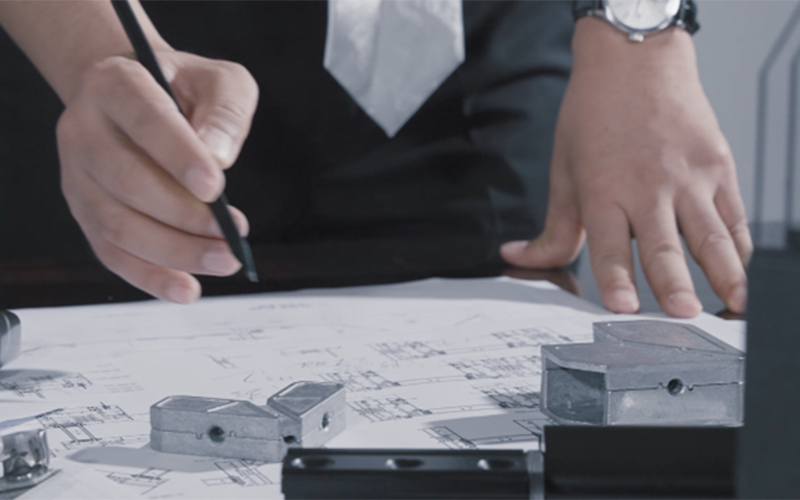
Filling the cavity between glass panes with Argon or Krypton gas increases thermal resistance because these gases are denser and have lower thermal conductivity than dry air. The critical engineering challenge is gas retention. Top-tier factories utilize dual-seal barriers—polyisobutylene (PIB) as the primary seal (preventing gas escape and moisture entry) and structural silicone or polyurethane as the secondary seal (providing structural strength). This dual-barrier system ensures gas leakage rates remain under 1% annually, extending the functional life of the double-glazed unit to over 25 years.
Looking forward, the roadmap features Vacuum Insulated Glass (VIG). By removing the air from a tiny 0.2mm gap between two glass panes, thermal convection is entirely eliminated. VIG technology can deliver the thermal performance of a thick triple-glazed unit in a profile thin enough to retrofit into historic buildings. Additionally, the integration of electrochromic layers allows the glass to tint dynamically in response to external sensors or building automation systems, introducing a new era of responsive architectural envelopes.
| Glazing System Configuration | Typical Spacer Type | Gas Fill | Target U-Value (W/m²·K) | SHGC Range | Acoustic Rating (STC) |
|---|---|---|---|---|---|
| Standard Double Glazed (4-12A-4) | Aluminum Spacer | Dry Air | 2.7 - 2.8 | 0.65 - 0.75 | 30 - 32 dB |
| High-Performance Double Glazed (6-16Ar-6 Low-E) | Warm Edge Spacer | 90% Argon Gas | 1.2 - 1.4 | 0.35 - 0.50 | 35 - 38 dB |
| Triple Glazed System (4-12Ar-4-12Ar-4 Double Low-E) | Warm Edge Spacer | 90% Argon Gas | 0.7 - 0.9 | 0.28 - 0.42 | 38 - 42 dB |
| Acoustic Double Glazed (6+0.76PVB+6 Laminated - 12Ar - 8) | Warm Edge Spacer | 90% Argon Gas | 1.3 - 1.5 | 0.40 - 0.52 | 42 - 45 dB (Superior) |
| Vacuum Insulated Glass (VIG) Slim Unit | Micro-pillars Spacer | High Vacuum | 0.5 - 0.6 | 0.30 - 0.45 | 39 - 41 dB |
A closer look at how fully integrated, high-scale manufacturing translates into premium product quality and competitive cost-efficiencies.
For global buyers, purchasing double-glazed windows is a balancing act of quality control, consistency, lead-time reliability, and cost. Working directly with an advanced manufacturing facility like Suozhe Doors & Windows addresses these critical variables.
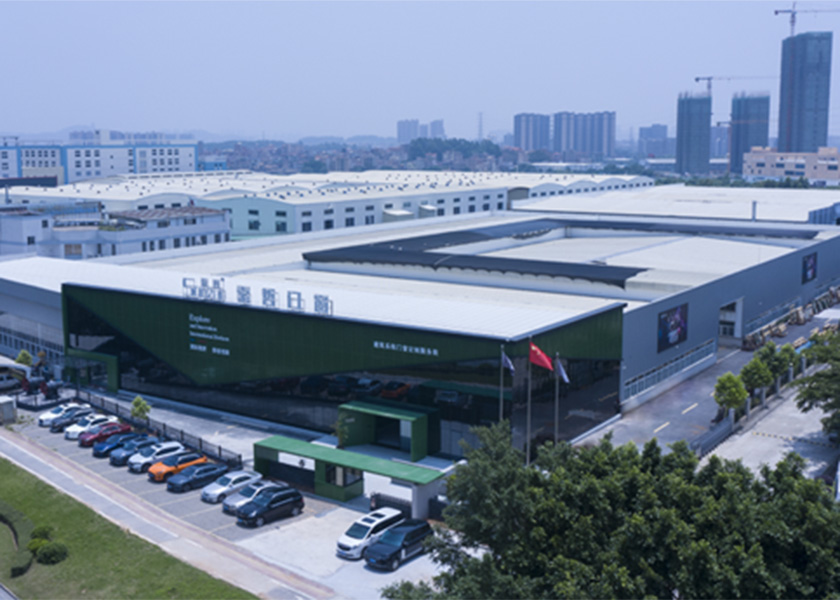
Suozhe is a professional enterprise specializing in the R&D, manufacturing, and marketing of architectural system doors and windows, engineering curtain wall doors and windows, outdoor sunshade engineering systems, and related products. Equipped with an industry-leading door and window testing center, the company operates a modern garden-style production base spanning over 60,000 square meters, featuring fully automated Industry 4.0 intelligent production lines. Its branded franchise stores are distributed nationwide, and its products are exported to multiple countries across Europe, America, and Southeast Asia, solidifying its position as a pioneering high-end customization leader in the system doors and windows industry.
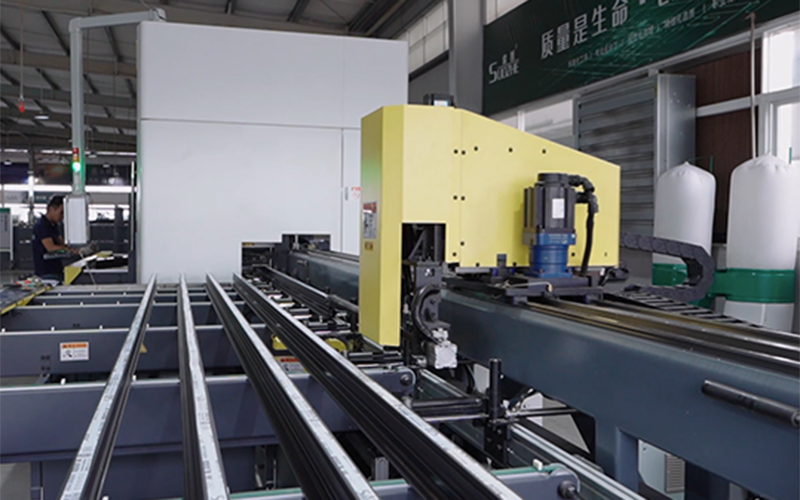
This scale allows for complete quality control from the raw billet to the finished window. Automated robotic machinery precisely cuts extruded aluminum profiles to sub-millimeter tolerances, punches hardware mounting points, executes seamless corner welding, and applies premium multi-layered protective coatings. Modern CNC machining units eliminate human error, ensuring that air tightness, water tightness, and structural wind pressure ratings are uniform across massive production runs.
Tailored architectural solutions integrating structural performance with specific regional building aesthetic styles and user thermal requirements.
Advanced structural engineering utilizing aerospace-grade aluminum, high-density thermal barrier strips, and integrated smart technologies.
High-efficiency automated Industry 4.0 production lines ensuring rapid, reliable delivery times for large-scale global developments.
Uncompromising commitment to high performance, premium physical quality, and modern aesthetic appeal to match demanding urban requirements.
Matching dynamic engineering projects with specific, high-performance fenestration designs.
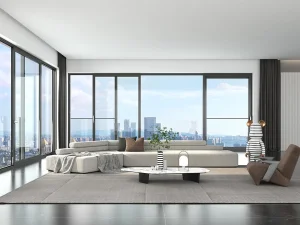
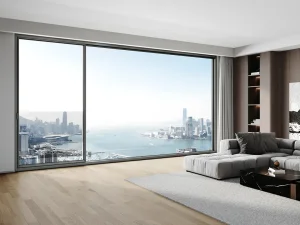
High-end residential projects prioritize clear views, minimal profiles, and high security. The integration of structural solutions like the *Xingyue 109 Series* and the *Wanmeixitong Minimalist Sliding Door* meets this demand. These profiles feature ultra-slim sightlines that maximize natural light while maintaining high thermal performance and wind load resistance.
Commercial structures face intense structural stresses, seismic forces, and high water-tightness requirements. Custom system windows, such as the *Weixi 65 Series* and *Hailun 155 Series*, utilize multi-cavity structural profiles and heavy-duty corner keys. These features withstand high design pressures while preventing water infiltration during intense storm events.
Achieving Passivhaus certification requires windows with a U-value of ≤ 0.8 W/(m²·K). To meet this standard, we combine warm edge spacers, triple glazing, Low-E glass, and multi-chamber polyamide thermal barriers. This combination minimizes energy loss, making high-performance thermal breaks a crucial element of the building's insulation envelope.
Urban noise pollution impacts occupant health and productivity. Traditional double glazing offers limited noise protection. However, incorporating asymmetric glass thicknesses (e.g., combining a 6mm glass pane with an 8mm glass pane) or laminated safety glass with a PVB (Polyvinyl Butyral) interlayer dampens sound waves across a wide frequency range. This configuration reduces noise by up to 45dB, providing quiet interior environments in noisy urban corridors.
Regions prone to typhoons and hurricanes require fenestration systems with excellent sealing mechanisms. Compression systems, like the *Xingchen 135 Series*, pull the window sash tight against EPDM gaskets around the entire perimeter when locked. This multi-point compression prevents water leakage even under extreme wind loads.
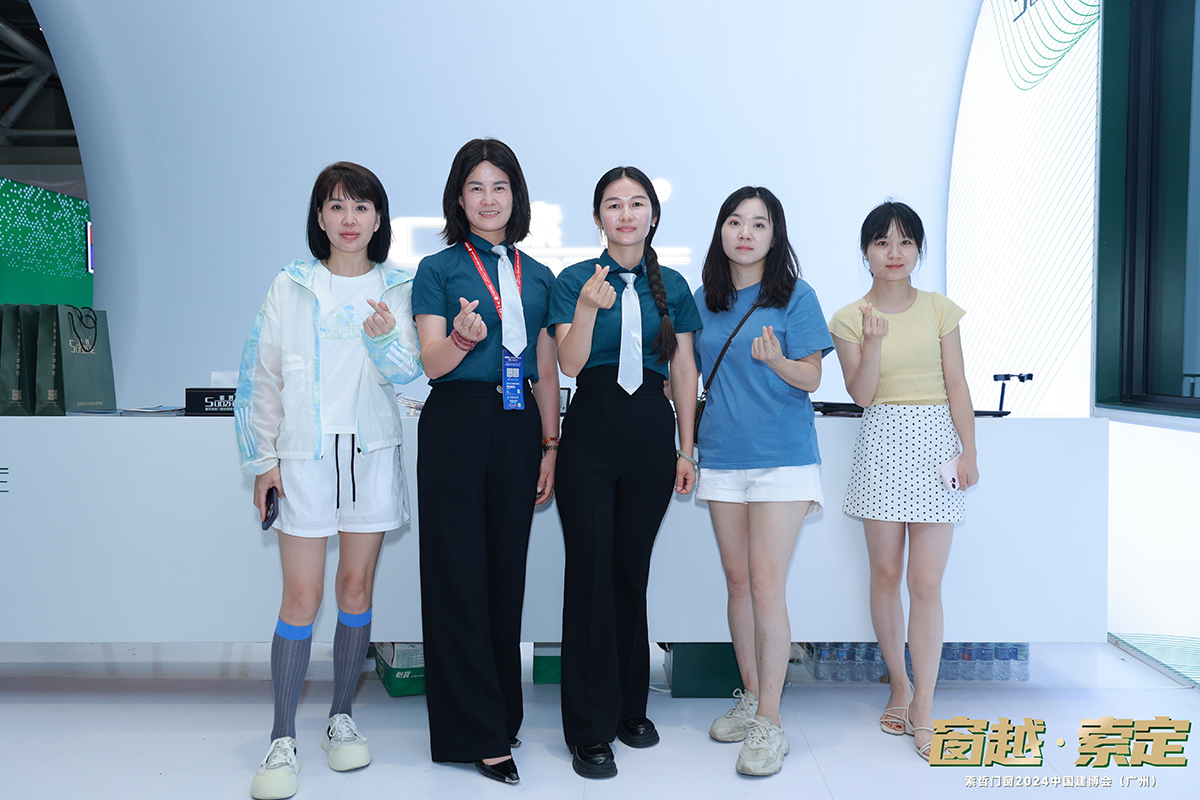
Ensuring cross-border compliance through accredited quality certifications and structural testing.
Navigating international building codes is a major challenge for global procurement managers. Building products must comply with regional standards, such as Europe's CE marking and the UK's UKCA certification, or the strict NFRC (National Fenestration Rating Council) ratings in the United States and AS2047 in Australia.
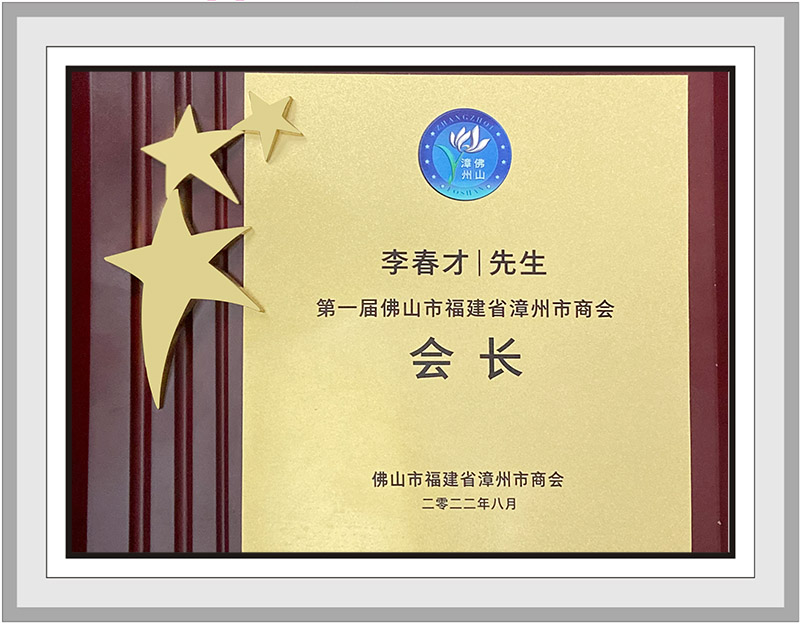
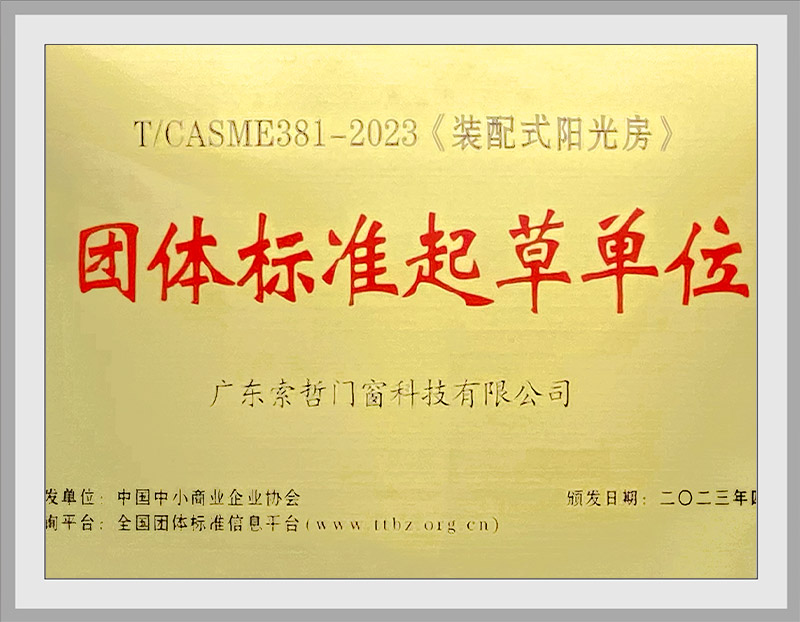
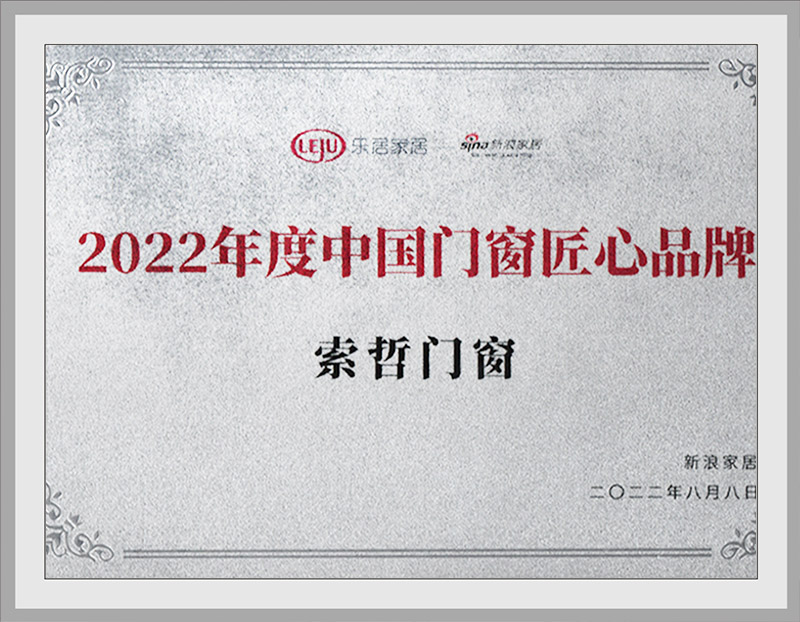
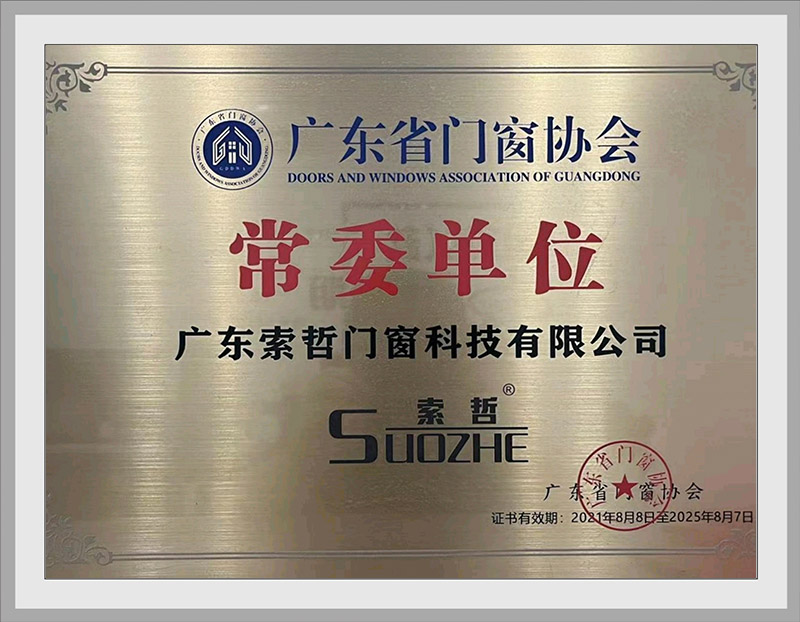
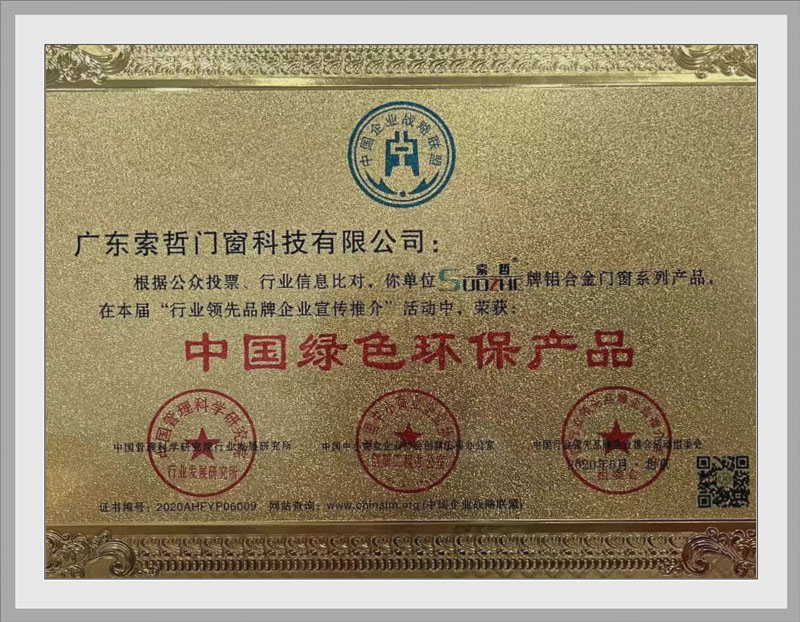
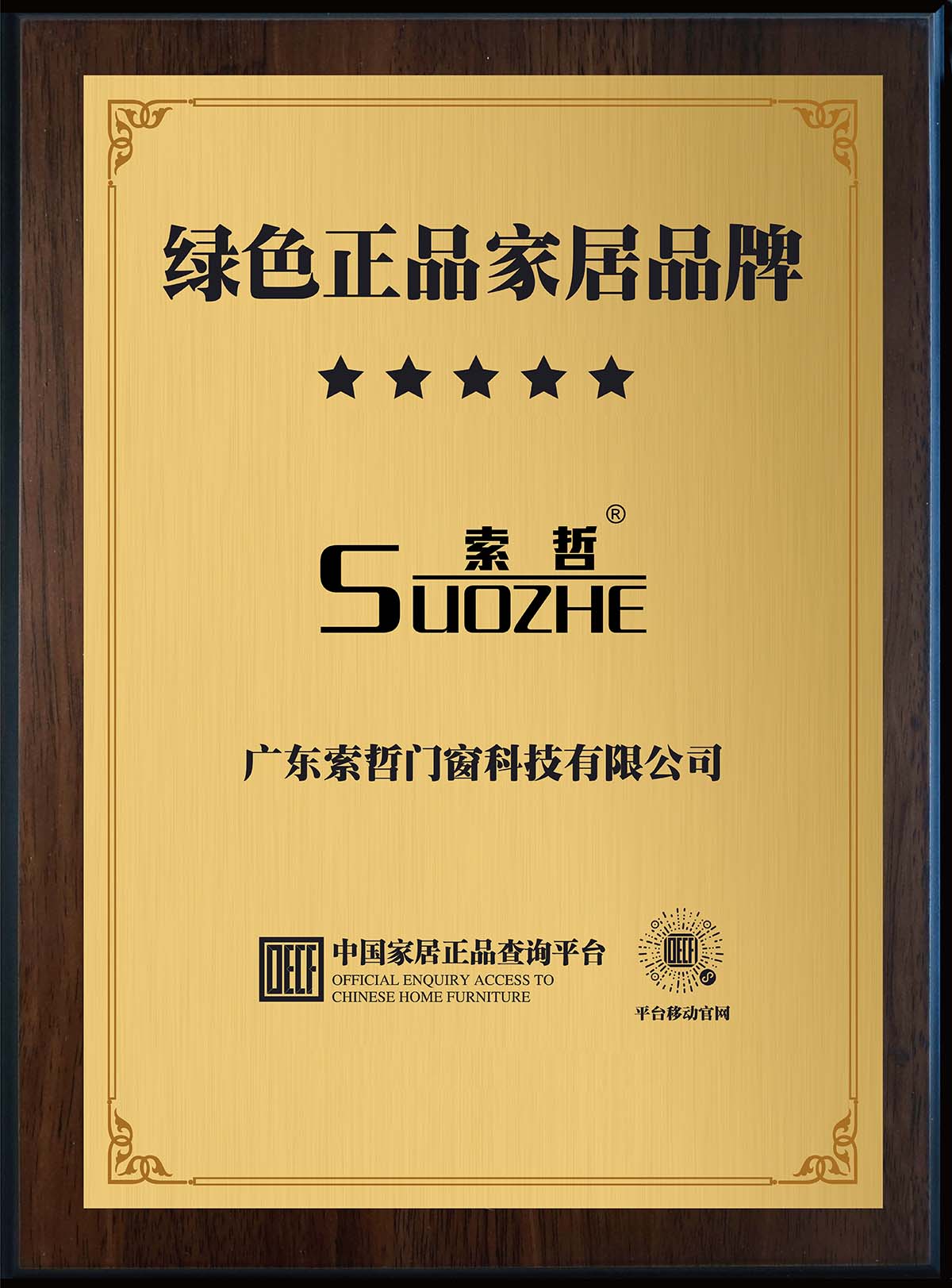
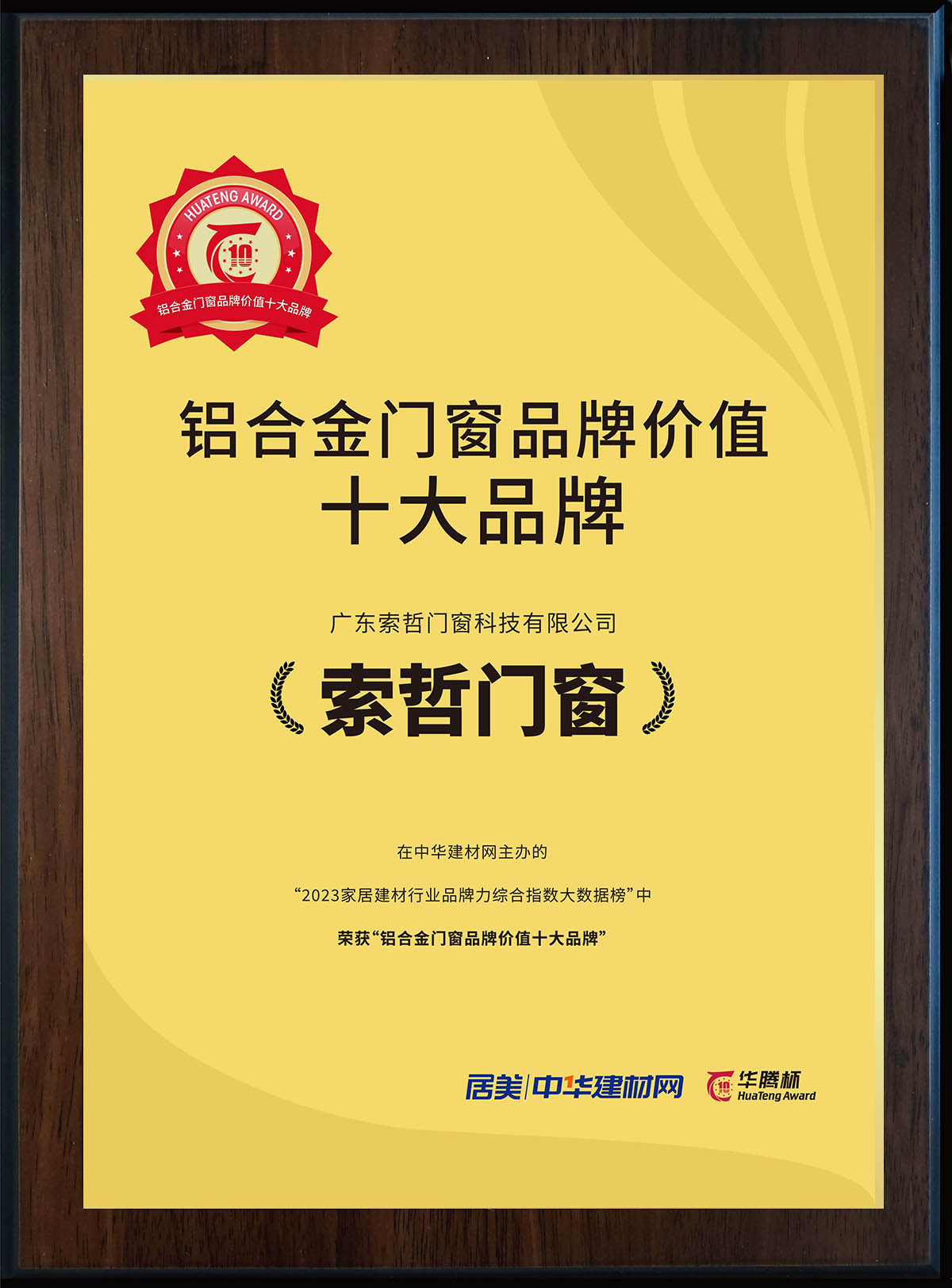
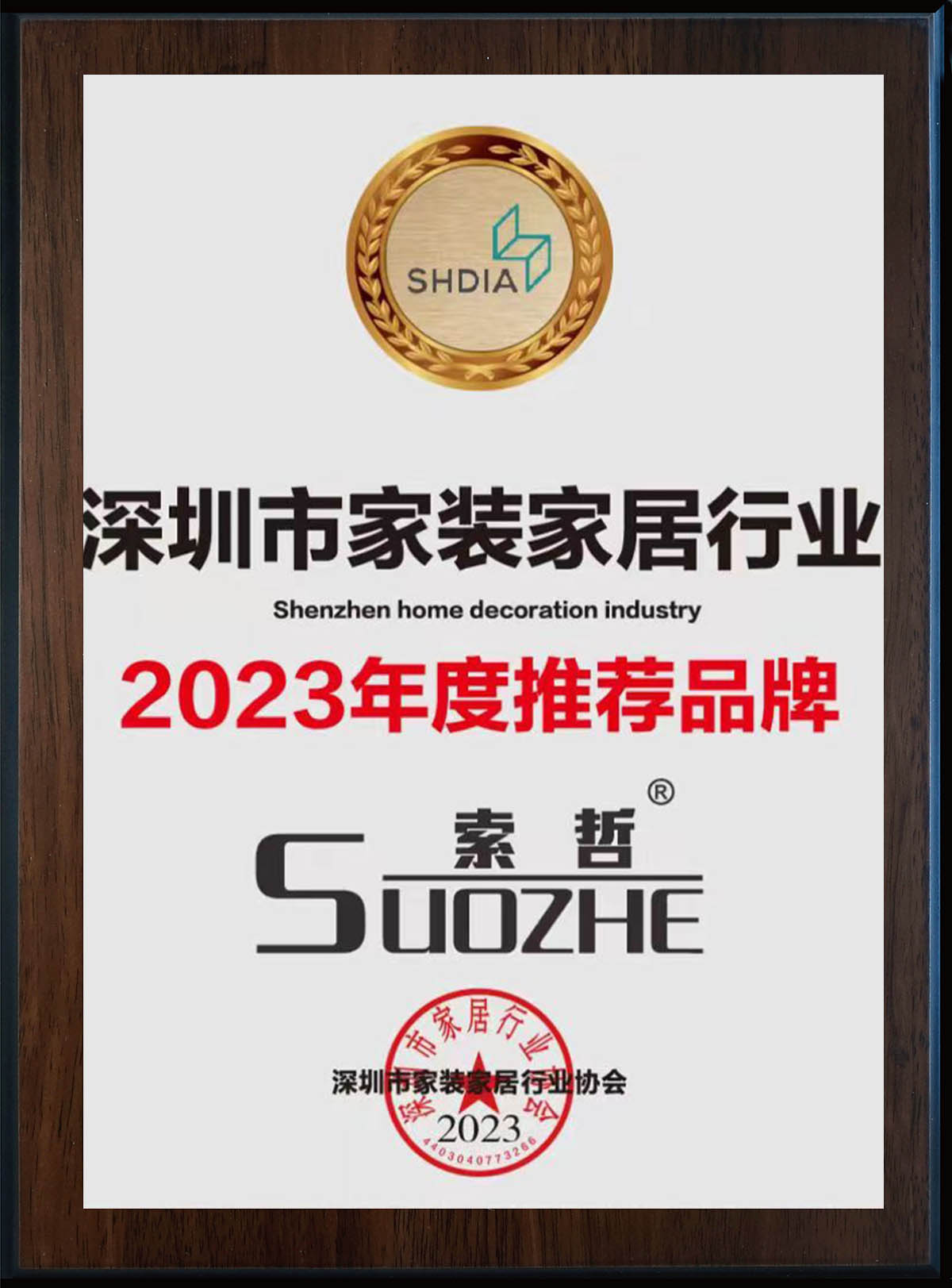
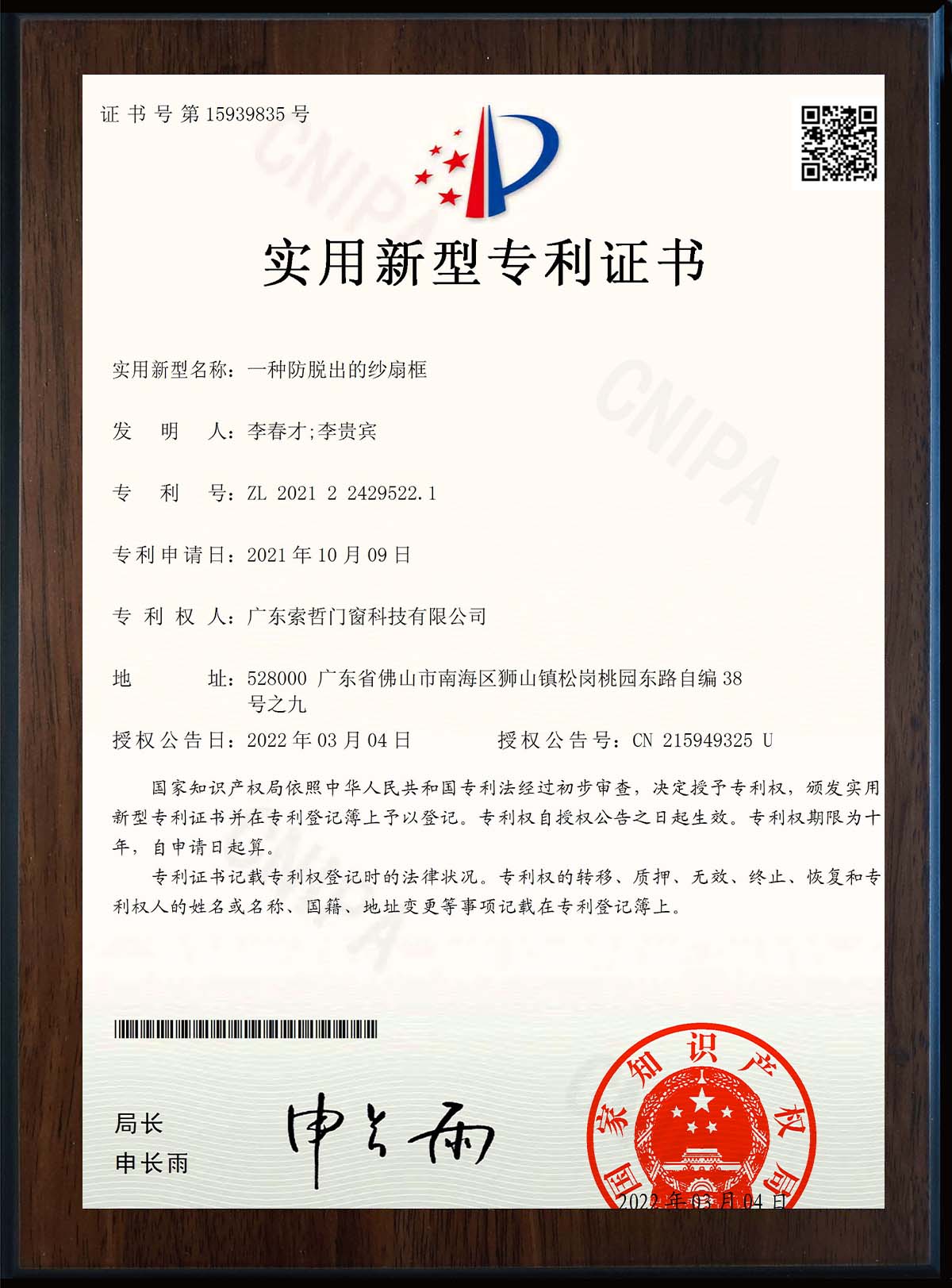
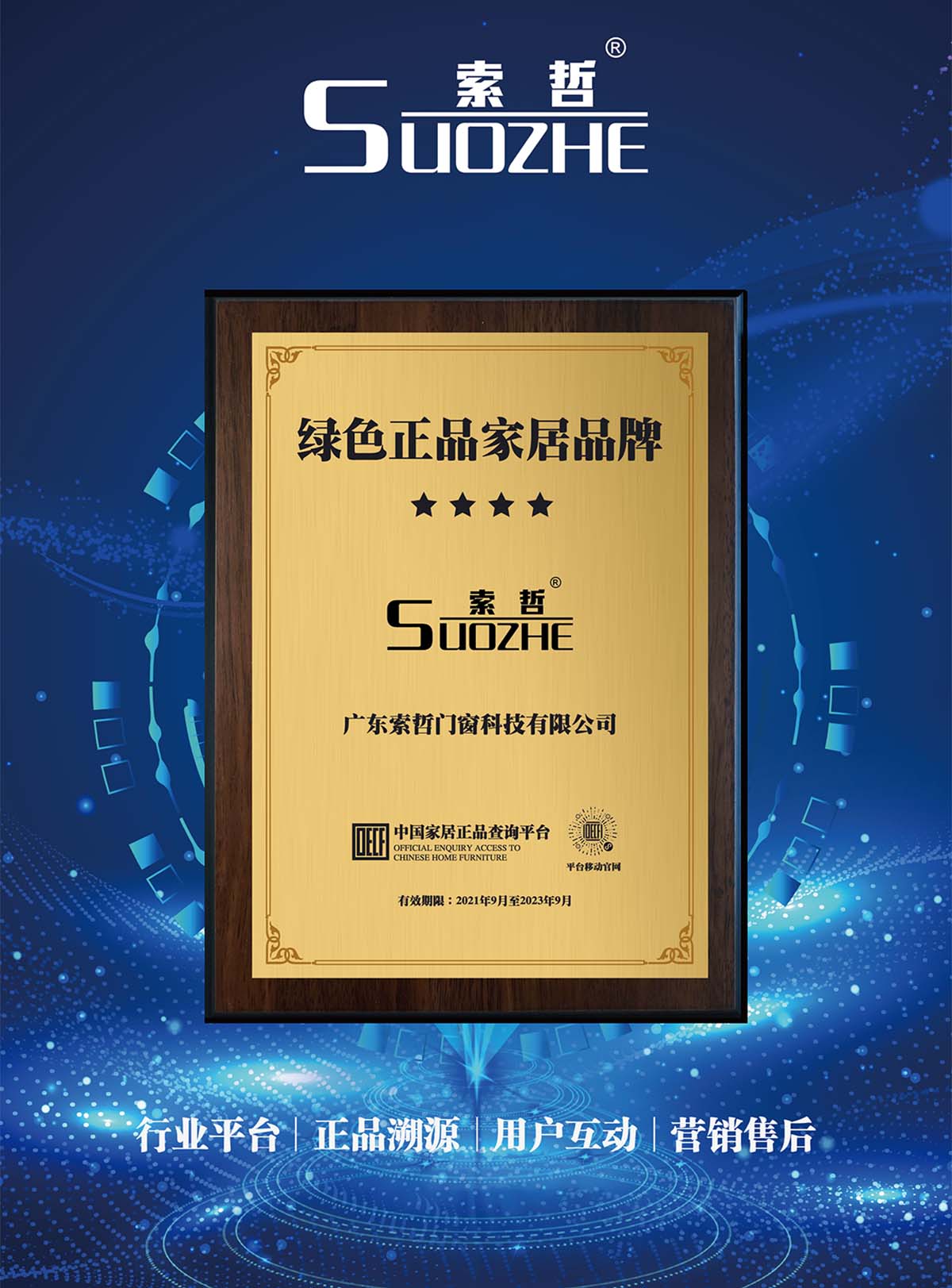
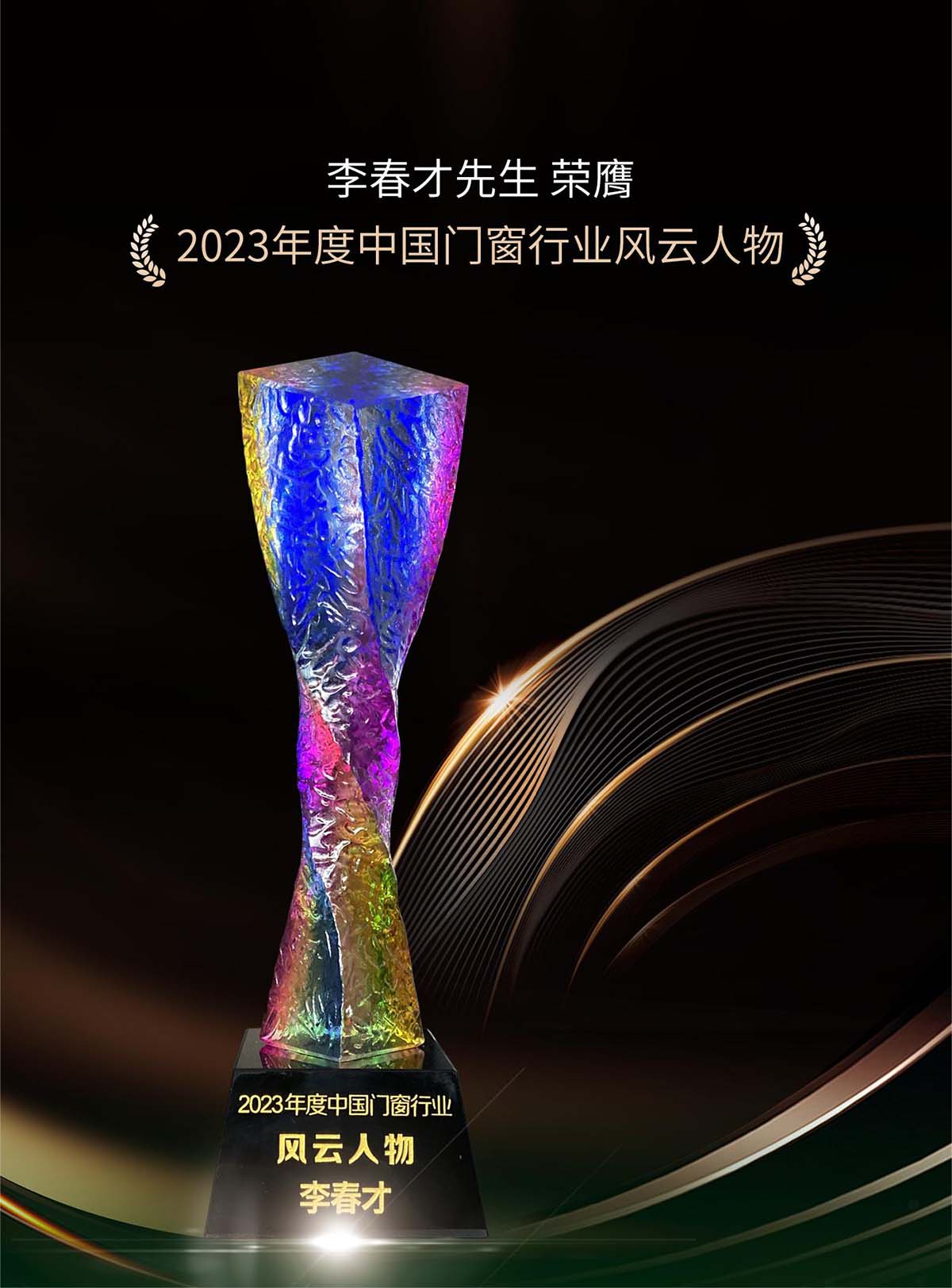
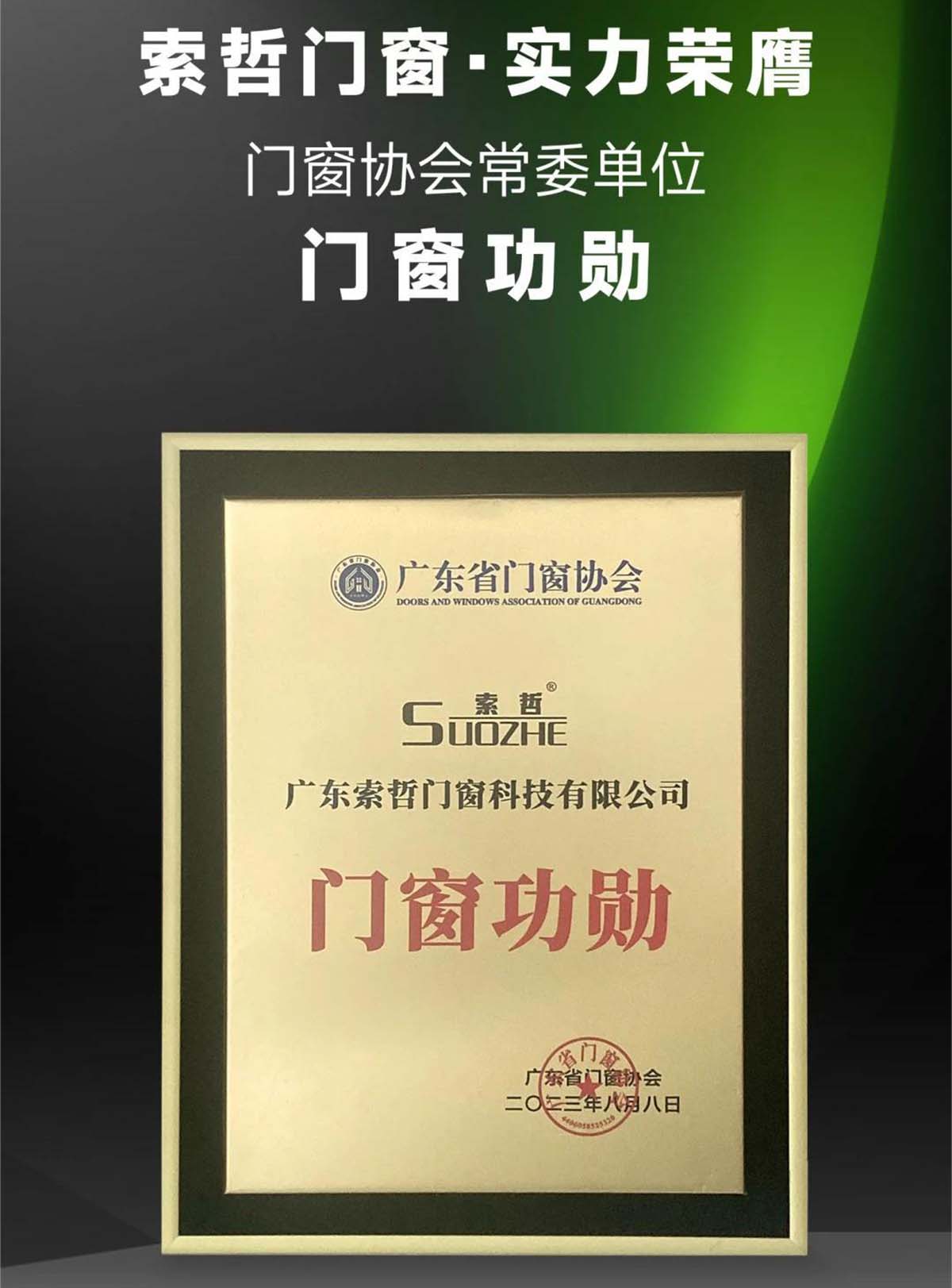
Suozhe Doors & Windows operates under a robust quality management framework to meet these demands. As a participating editor of the Prefabricated Sunroom Standards and a Standing Committee Member of the Guangdong Doors & Windows Association, Suozhe has obtained QES (ISO 9001/ISO 14001/ISO 45001) triple management system certifications, demonstrating its commitment to standardized production and sustainable operations. With over 200 national patent applications, the brand leads technological innovation in the industry, particularly in seamless welding and high-performance system window solutions.
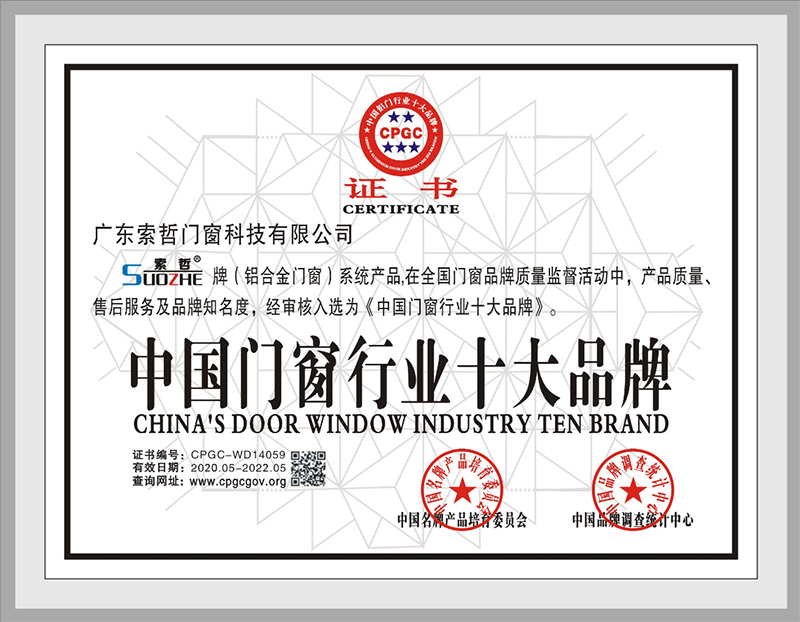
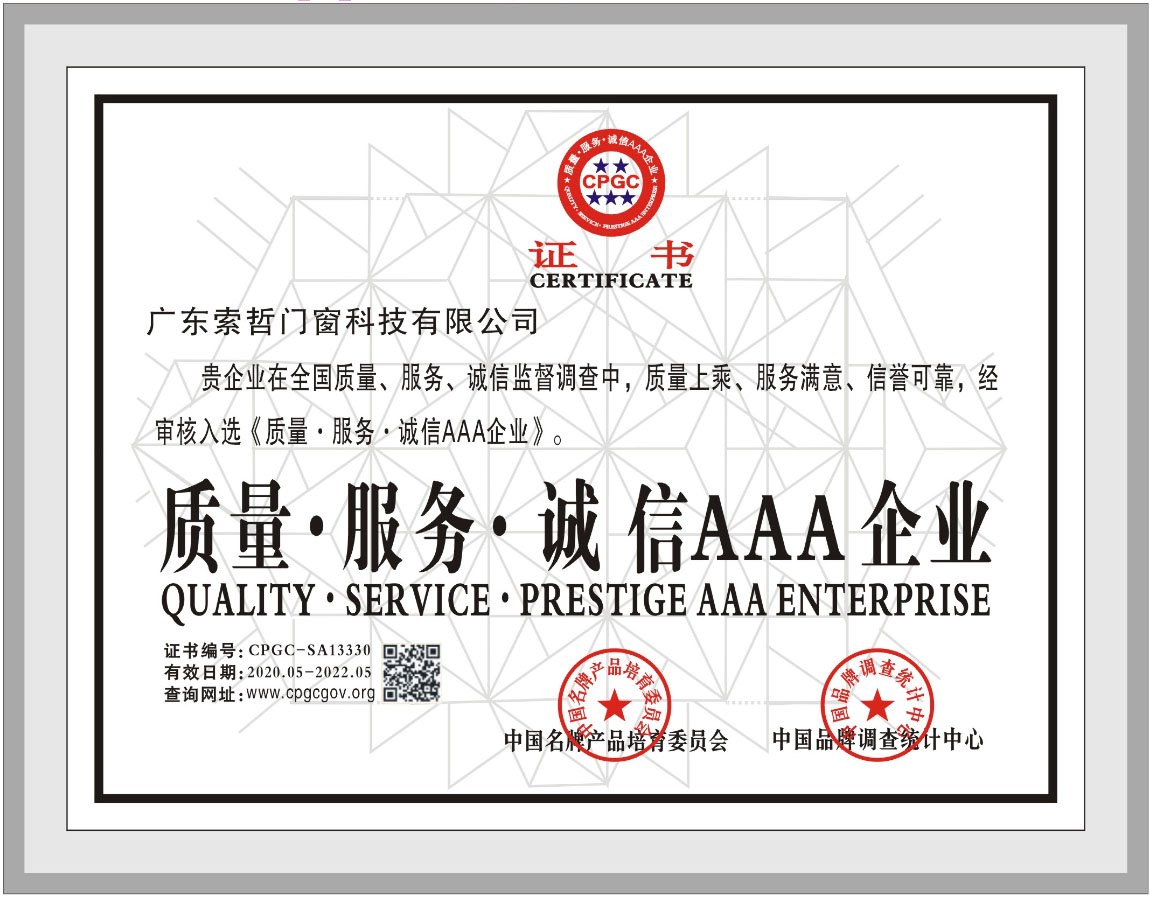
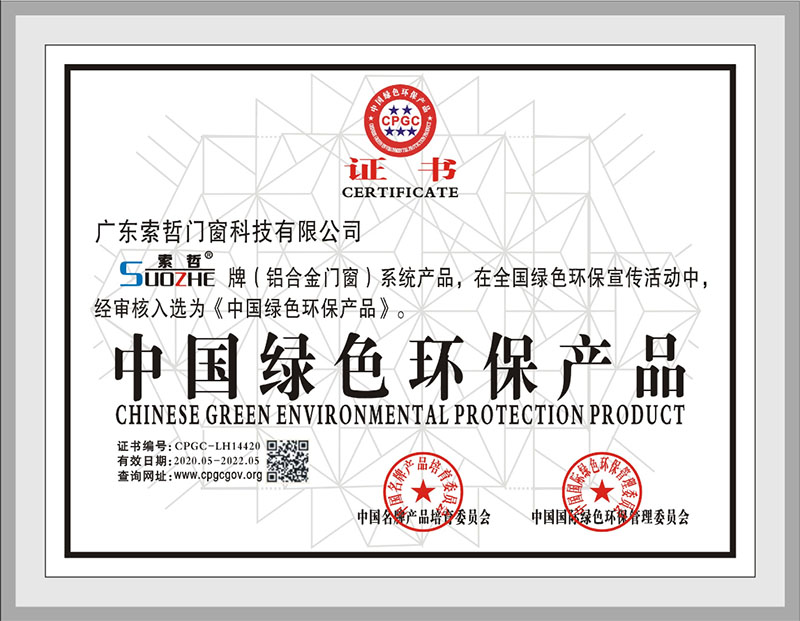
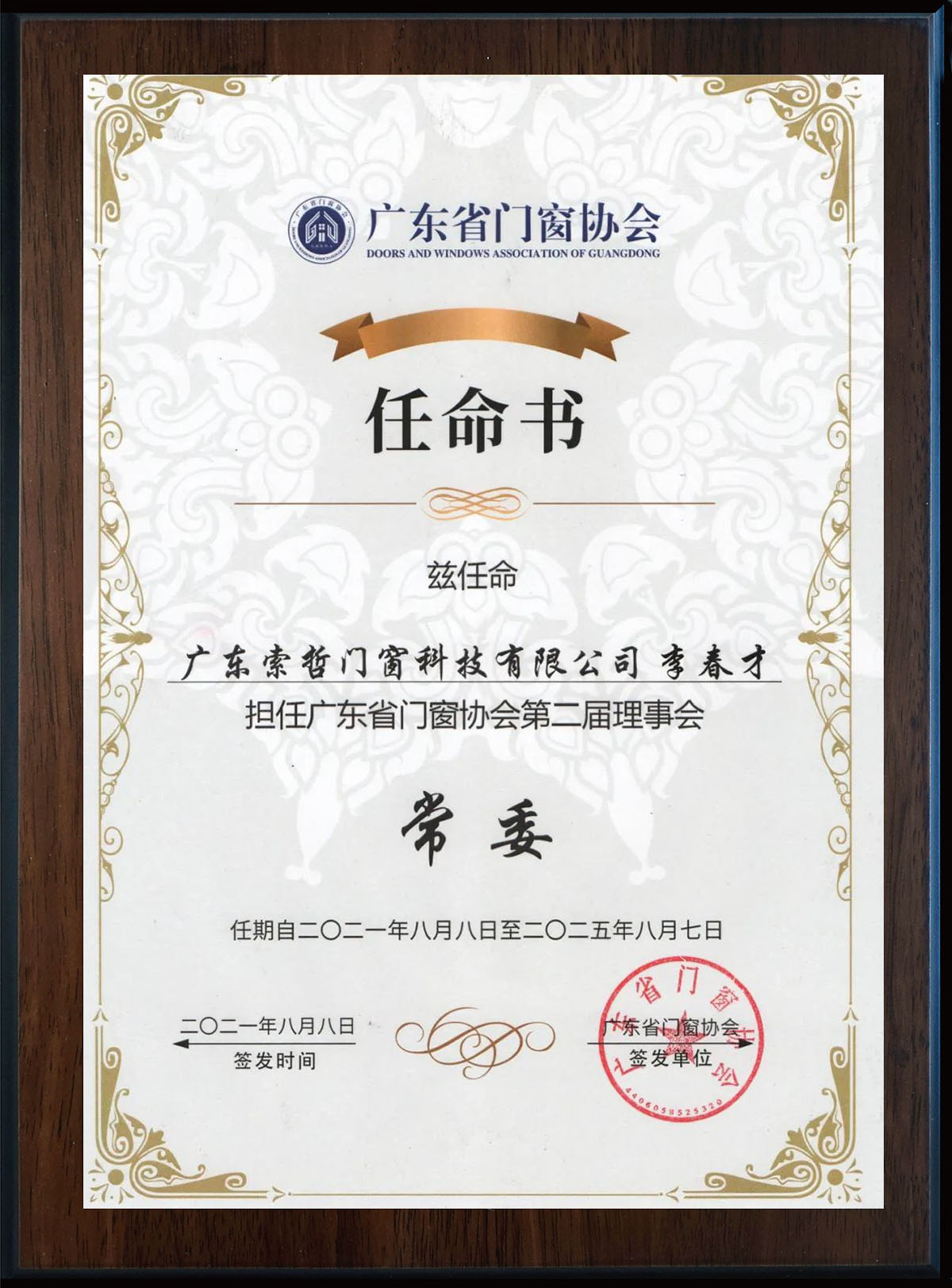
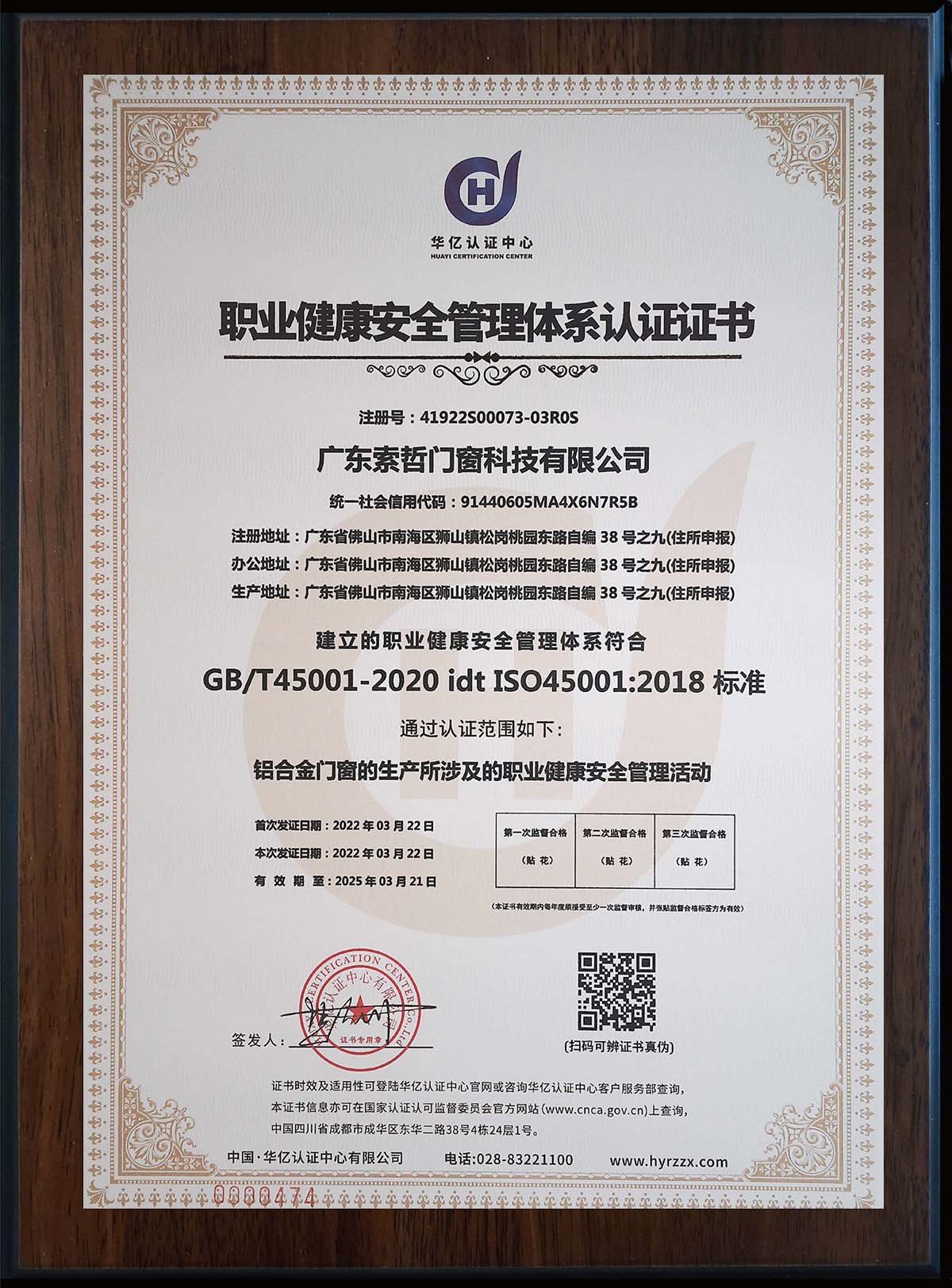
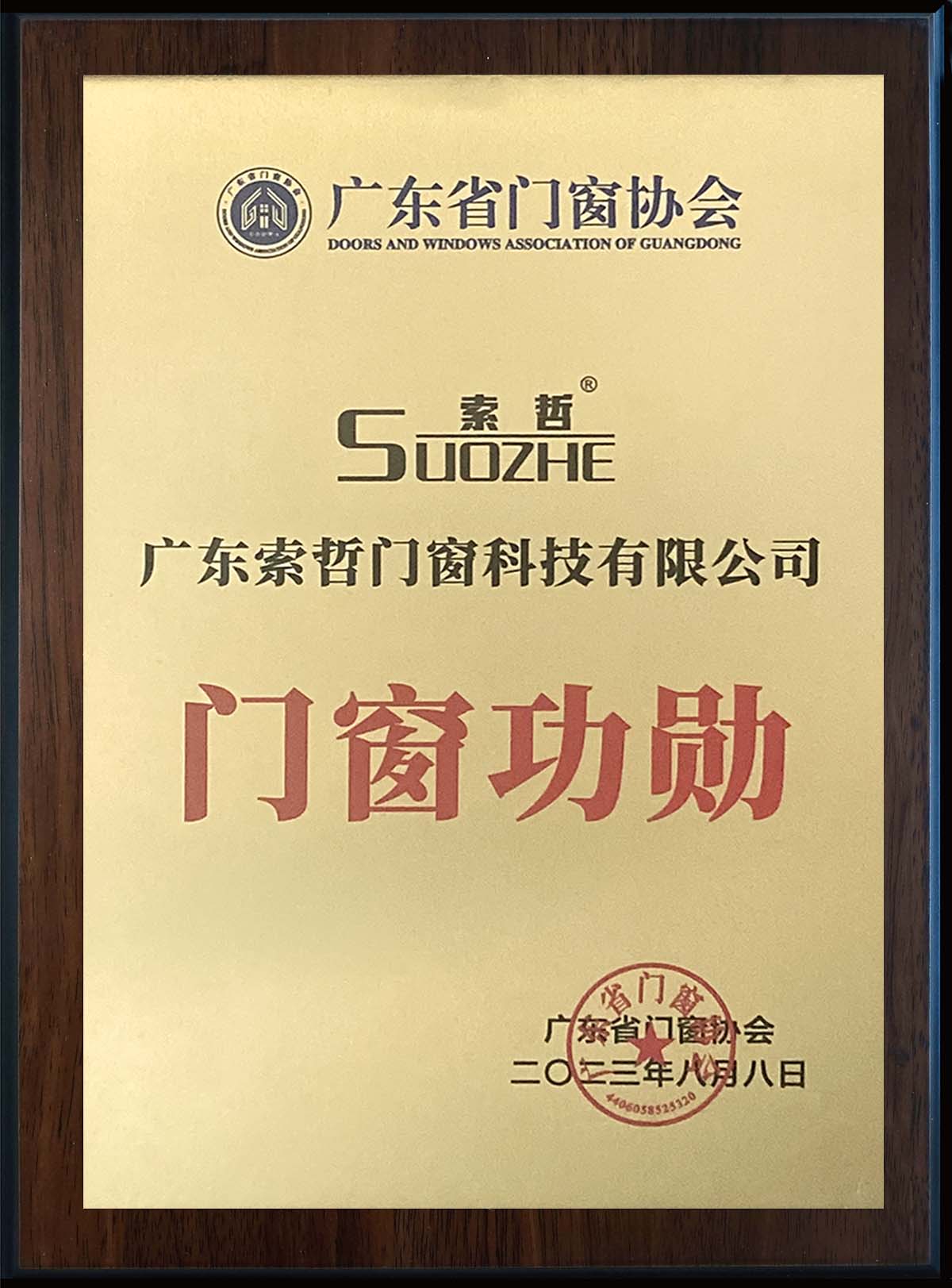
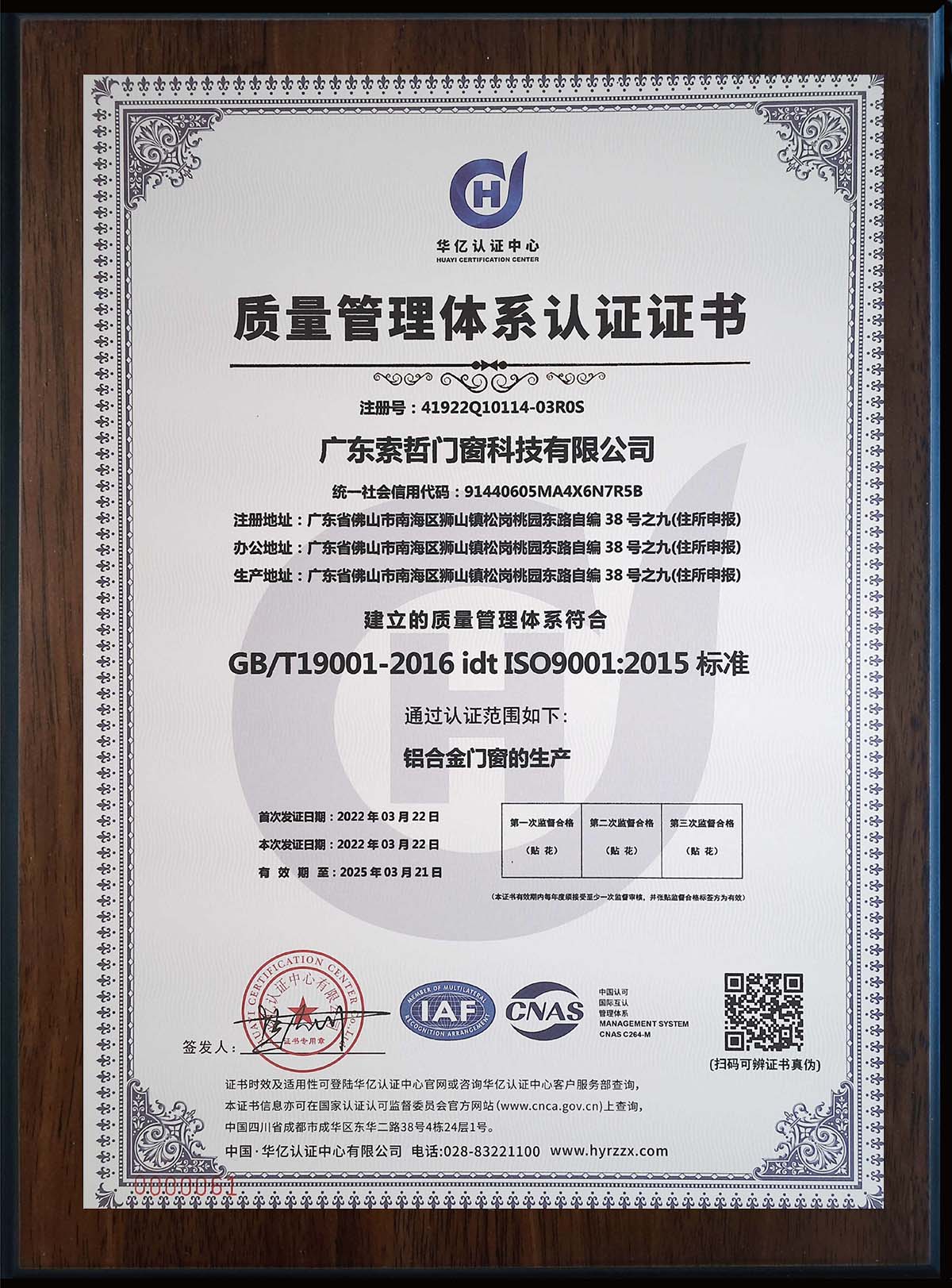

B2B framework for international procurement: from specification confirmation to final structural delivery.
Procuring building facades globally requires managing several critical stages: design verification, shop drawing approvals, logistics scheduling, and customs compliance.
1. Shop Drawing Integration: Every project starts with a detailed review of architectural plans. Suozhe's engineering team translates design drawings into fabrication shop drawings, ensuring wind load and thermal expansion factors are calculated based on the project's coordinates.
2. Raw Material Traceability: We verify the alloy composition of all aluminum extrusions, the source of the thermal barrier strips (such as Technoform), and the certification of the glass raw material (like AGC or Guardian). This guarantees compliance with global supply chain regulations.
3. Protective Export Packaging: Glass and aluminum components are easily damaged by sea air and rough transit. Suozhe utilizes custom export packaging, including heavy-duty, fumigated wooden crates, protective PE film wrap, shock-absorbing corner guards, and desiccants within containers to prevent moisture staining during sea transit.
Expert answers addressing the technical, logisitical, and quality aspects of sourcing high-performance double glazed windows.
Typically, our high-performance double-glazed units come with a 10-year warranty covering seal integrity, gas retention, and structural profile stability. The aluminum extrusions, backed by premium powder coatings (such as AkzoNobel or PPG), are warrantied for up to 15–20 years against fading, cracking, or peeling under normal weather exposure.
A standard double-glazed window simply fits an insulated glass unit into a generic aluminum profile. A "system window" is a fully integrated assembly. The profile, thermal barrier, hardware, and gaskets are engineered to work together, delivering certified ratings for wind load, water tightness, air infiltration, and thermal performance as a unified system.
Yes. We customize the profile width, thermal break thickness, and glass configuration to meet local codes. For instance, for cold climates requiring U-values below 1.0, we provide triple-pane configurations with double Low-E coatings and argon gas. For tropical regions, we optimize the glass to achieve a low SHGC value, blocking solar heat entry.
Production typically takes 30 to 45 days after the final shop drawings are signed off and the deposit is confirmed. Sea transit times depend on the destination port, taking about 15-20 days to Australia and West Coast North America, and 30-40 days to East Coast North America and Northern Europe.
Our automated glass production lines apply a primary seal of polyisobutylene (PIB) using robotic extruders, followed by a secondary seal of high-strength structural silicone. Every batch of insulated glass undergoes regular quality checks to ensure the initial argon fill rate exceeds 90% and the annual gas loss rate is kept below 1%.
Discover our range of advanced structural profiles, compression closure windows, and architectural sliding systems.
 Suozhe Windows