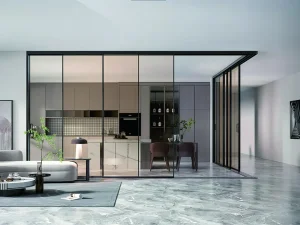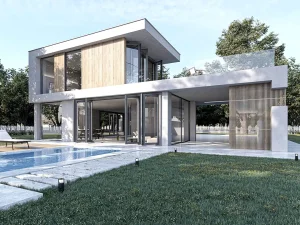
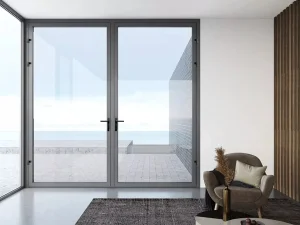
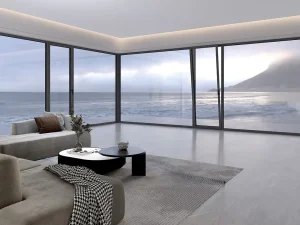
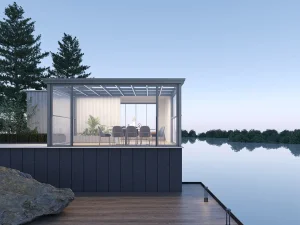
In the contemporary architectural landscape, urbanization and stringent global energy mandates have transformed the requirements for fenestration systems. As commercial developers, structural engineers, and institutional buyers navigate the complexities of local green building standards—such as LEED certification, ASHRAE 90.1, and the EU Energy Performance of Buildings Directive (EPBD)—the demand for high-performance double glazed sliding windows has surged. These systems are no longer viewed merely as functional portals; they are engineered envelope barriers critical to structural insulation, acoustic isolation, and building life-cycle cost reduction.
Double glazing functions by sealing two panes of glass together separated by an insulating gap filled with air or an inert gas such as Argon. When configured into a sliding system, it allows developers to optimize interior floor space without sacrificing thermal efficiency. The global market is transitioning rapidly from standard monolithic glazing to advanced systems incorporating thermal break profile technology, specialized Low-E (low-emissivity) coatings, and multi-point structural locking mechanisms. This trend is prominent across North America, the European Union, and rapidly developing sectors of Southeast Asia, where cooling and heating energy consumption represent up to 40% of total commercial building operation overheads.
U-factors optimized to meet rigid passive house thresholds globally, drastically reducing HVAC electrical drawdowns.
Decibel attenuation index up to Rw 45dB, isolating urban decibel pollution in mixed-use commercial developments.
Engineered to withstand severe wind loads and seismic shifts, ideal for high-rise residential installations.
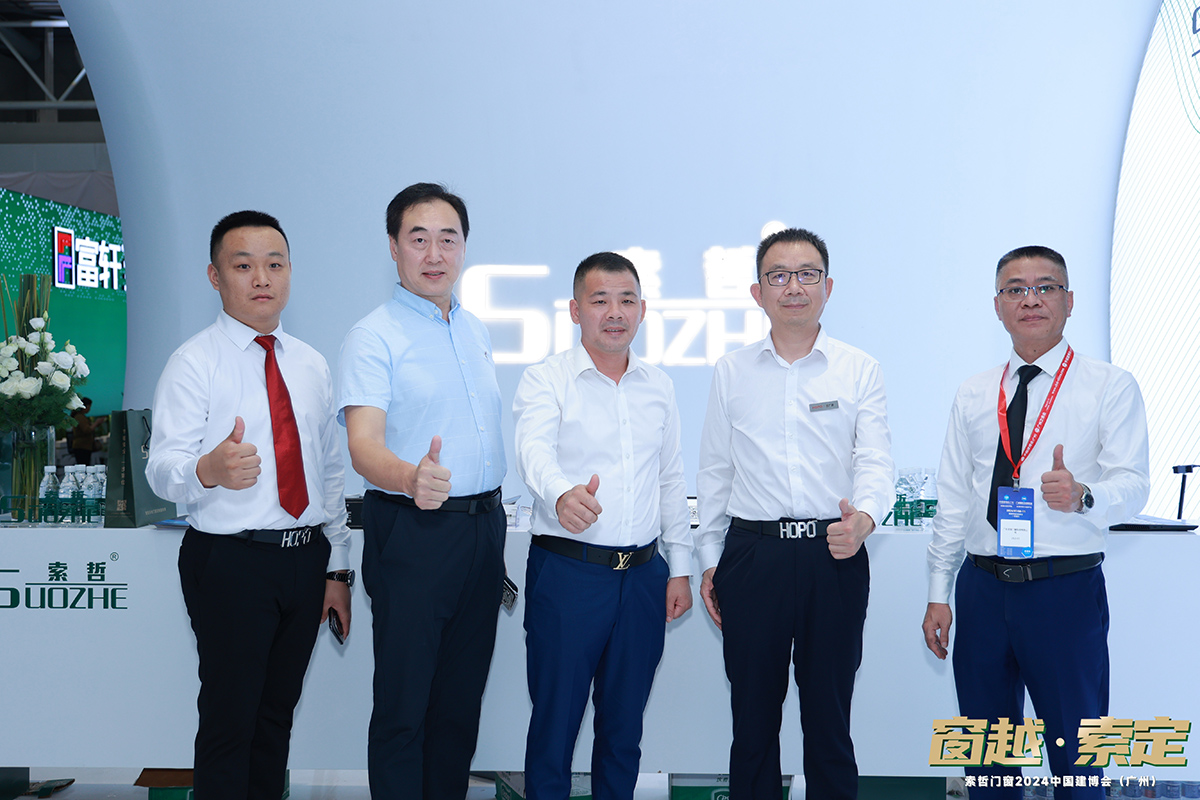
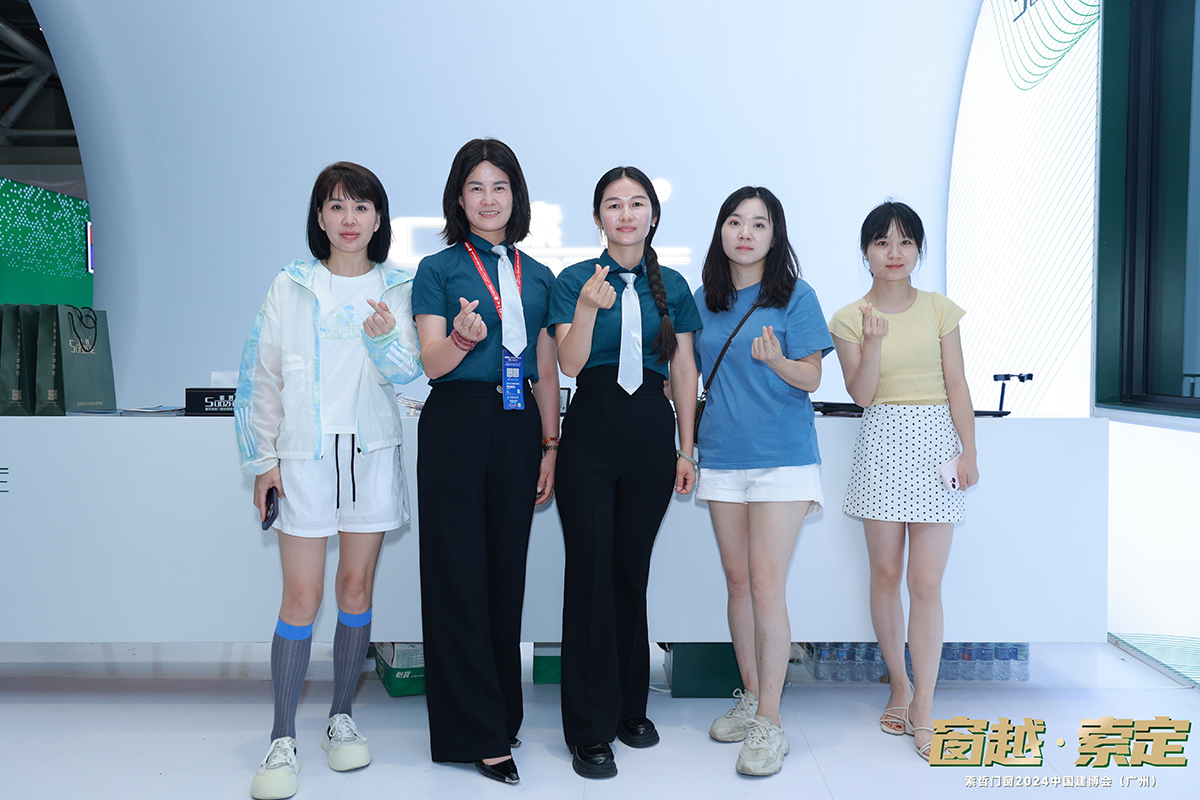
Suozhe Doors & Windows is a professional enterprise specializing in the R&D, manufacturing, and marketing of high-precision architectural system doors and windows, engineering curtain wall systems, outdoor sunshade engineering structures, and their corresponding hardware suites. To ensure absolute compliance with global mechanical and thermal standards, we operate a dedicated, industry-leading window and door testing center. Our testing center strictly evaluates air permeability, water tightness, wind pressure resistance, and thermal transmittance.
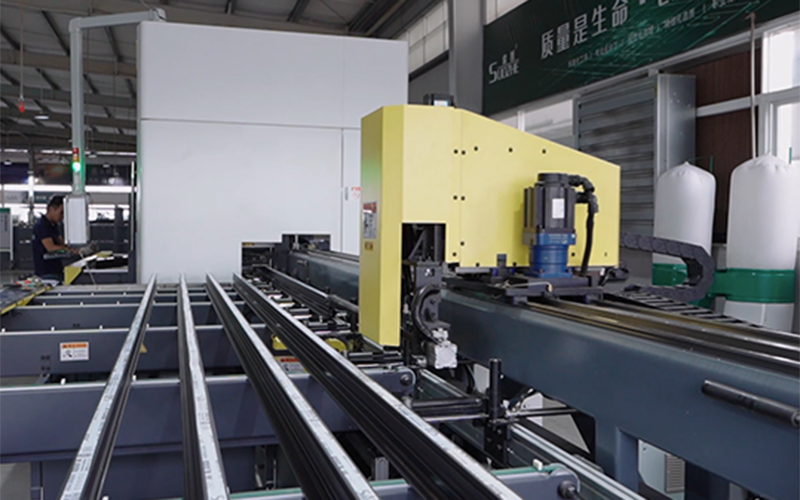
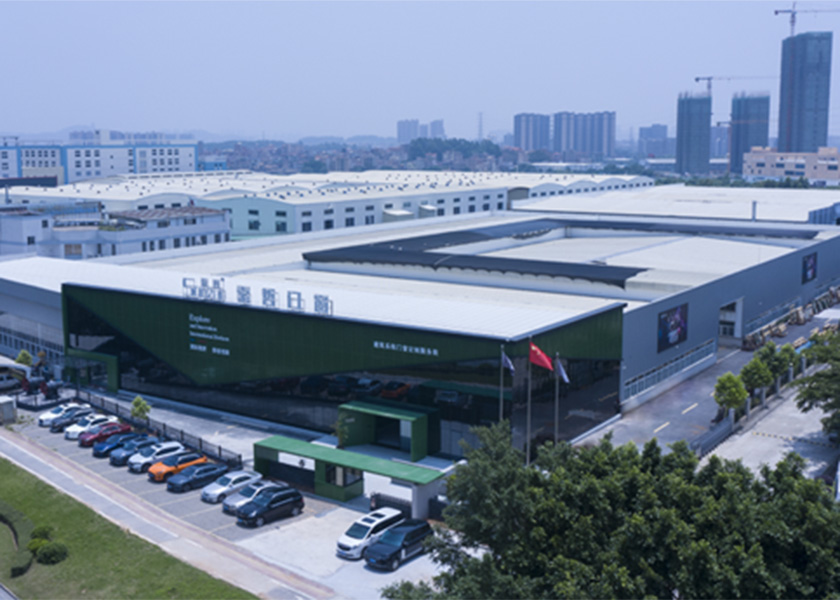
Spanning a modern, garden-style manufacturing campus of over 60,000 square meters, Suozhe integrates fully automated Industry 4.0 intelligent production lines. By transitioning to digitized robotic welding, automated profile cutting, and multi-spindle CNC processing, we achieve precision tolerances to within 0.1mm. This advanced setup positions Suozhe as a pioneering high-end customization partner for architects and developers globally.
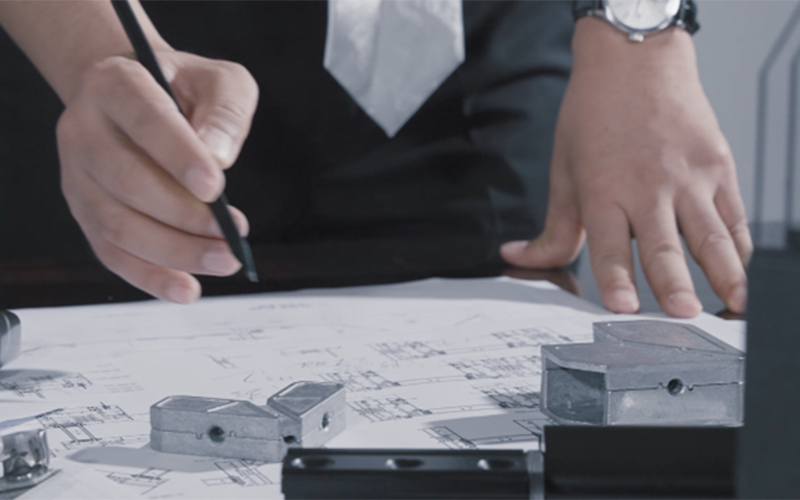
Bespoke system designs tailored to match specific building facades. We accommodate large-span structural glass requirements, custom mullion placement, and architectural powder coatings.
Continuous integration of aerospace-grade aluminum alloys, multi-cavity thermal break extrusions, and smart home motorized operation interfaces.
Utilizing ERP-controlled automated assembly, we ensure high quality, repeatable tolerances, and fast lead times for large-scale multi-unit commercial developments.
Every production batch undergoes strict quality control protocols, including mechanical life-cycle cycling, high-pressure water tightness testing, and thermal imaging verification.
Why do leading developers source architectural glass systems from China? The answer lies in the concentrated industrial clusters, technological integration, and unparalleled production throughput. Sourcing from a mature factory like Suozhe offers significant cost efficiencies, structural reliability, and technical flexibility.
In China's primary manufacturing hubs, such as the Pearl River Delta, the supply chain for aluminum extrusions, architectural glass processing, and high-performance hardware is vertically integrated. This local ecosystem reduces internal transit times and allows for rapid prototype iteration. Raw material inputs—such as 6063-T5/T6 aluminum profiles, high-durability EPDM weatherstripping gaskets, and premium low-emissivity float glass—are sourced from specialized processors situated nearby. This proximity minimizes raw material logistics costs and insulates downstream buyers from supply chain shocks.
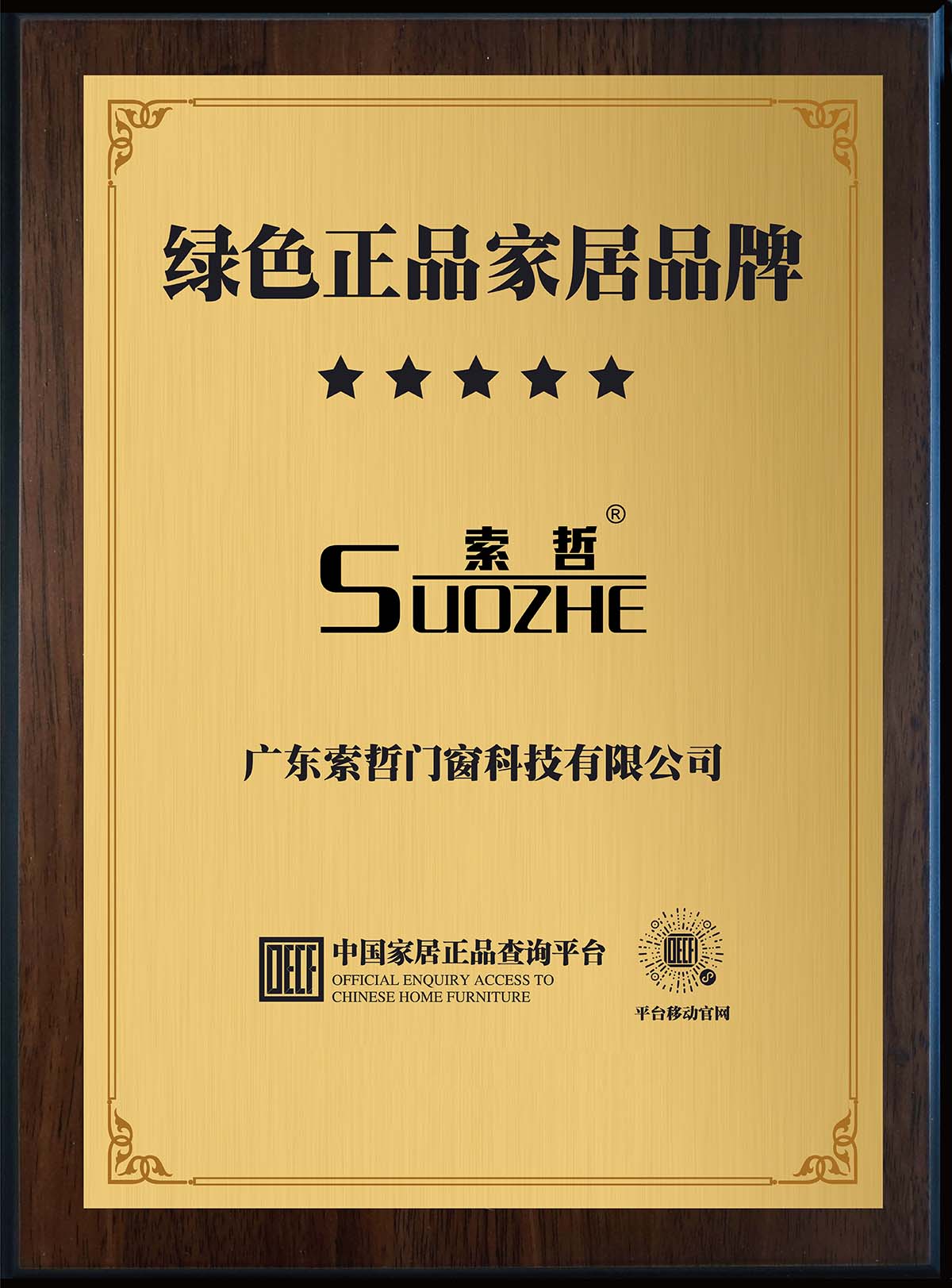
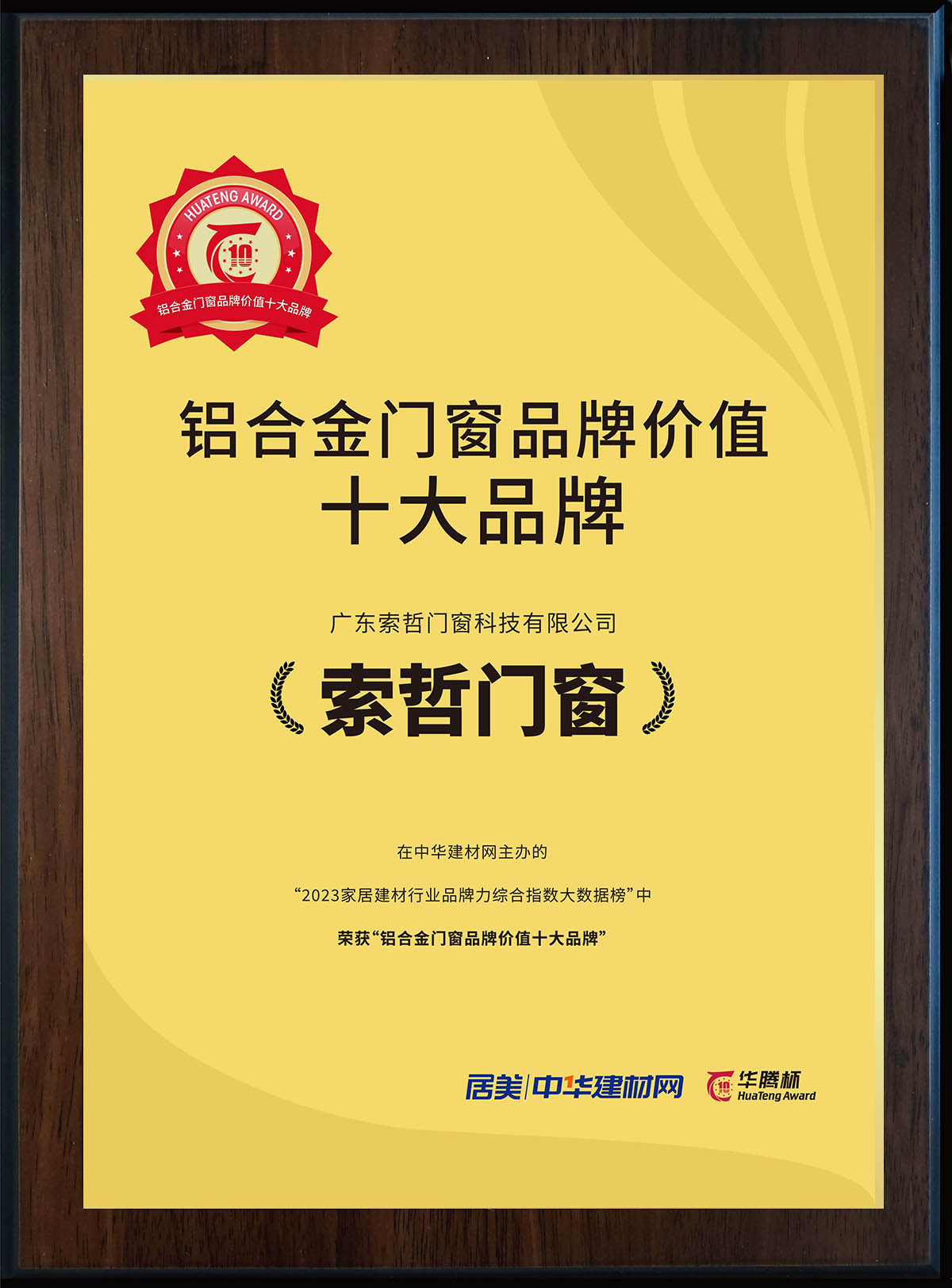
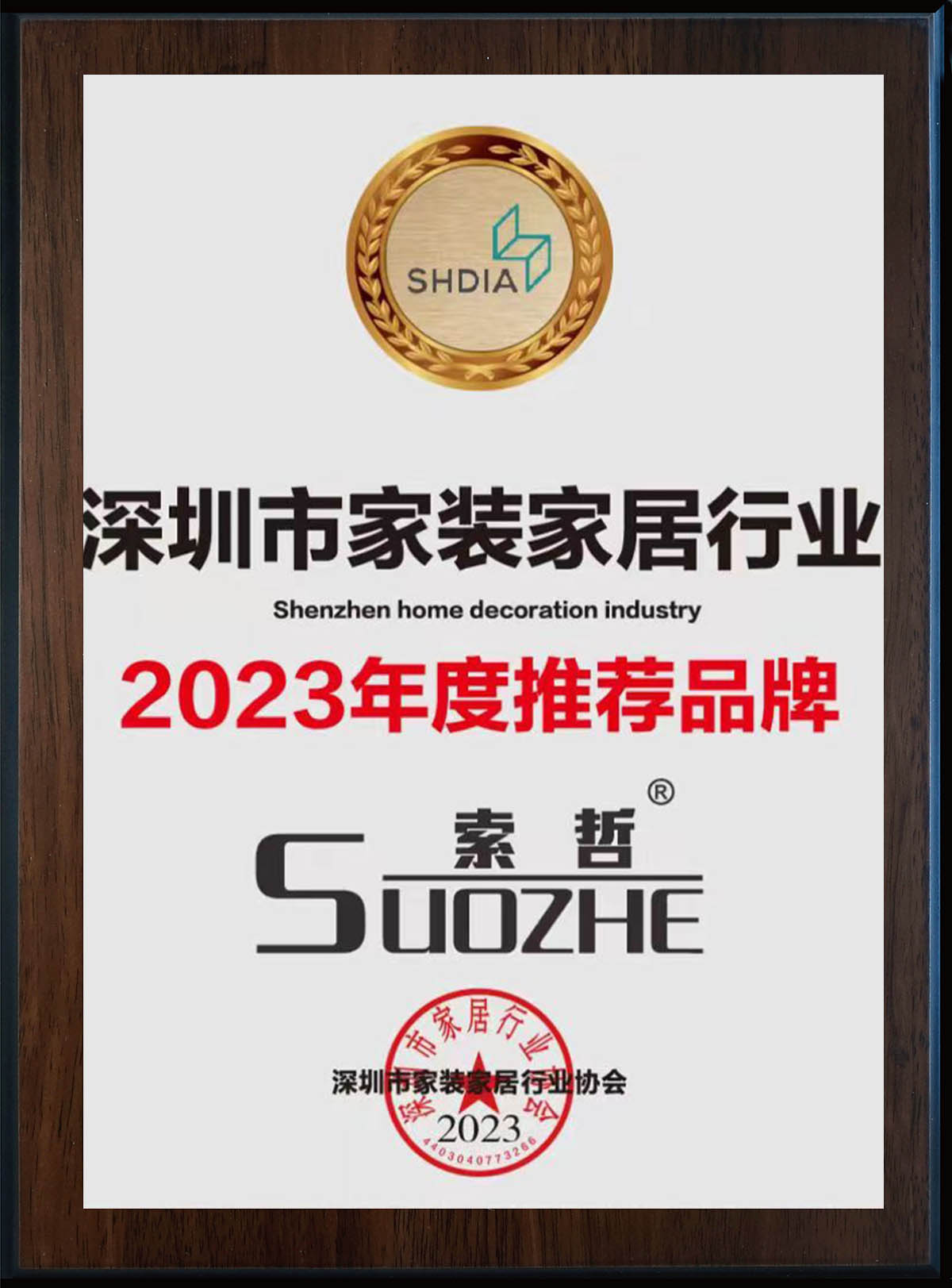
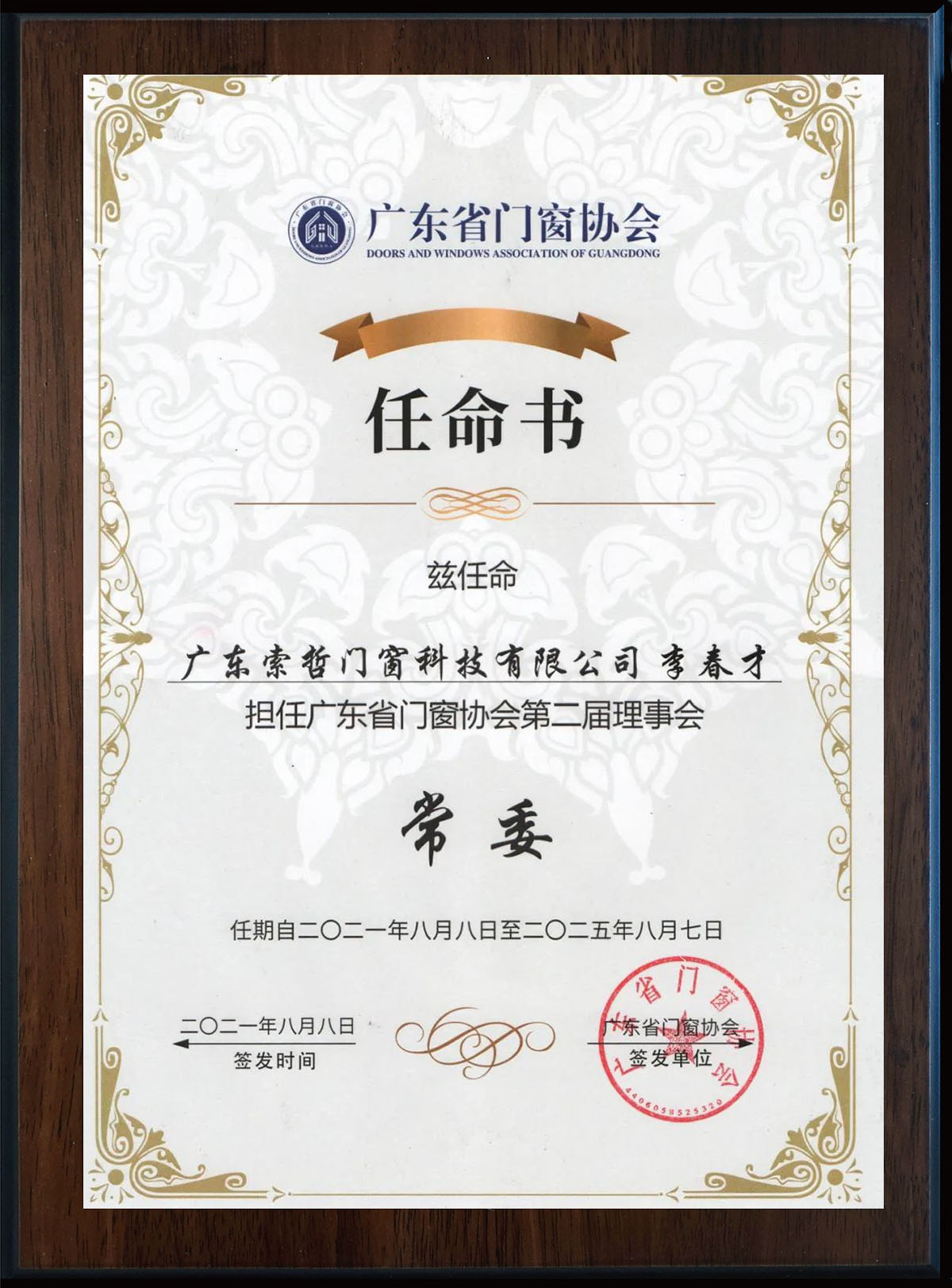
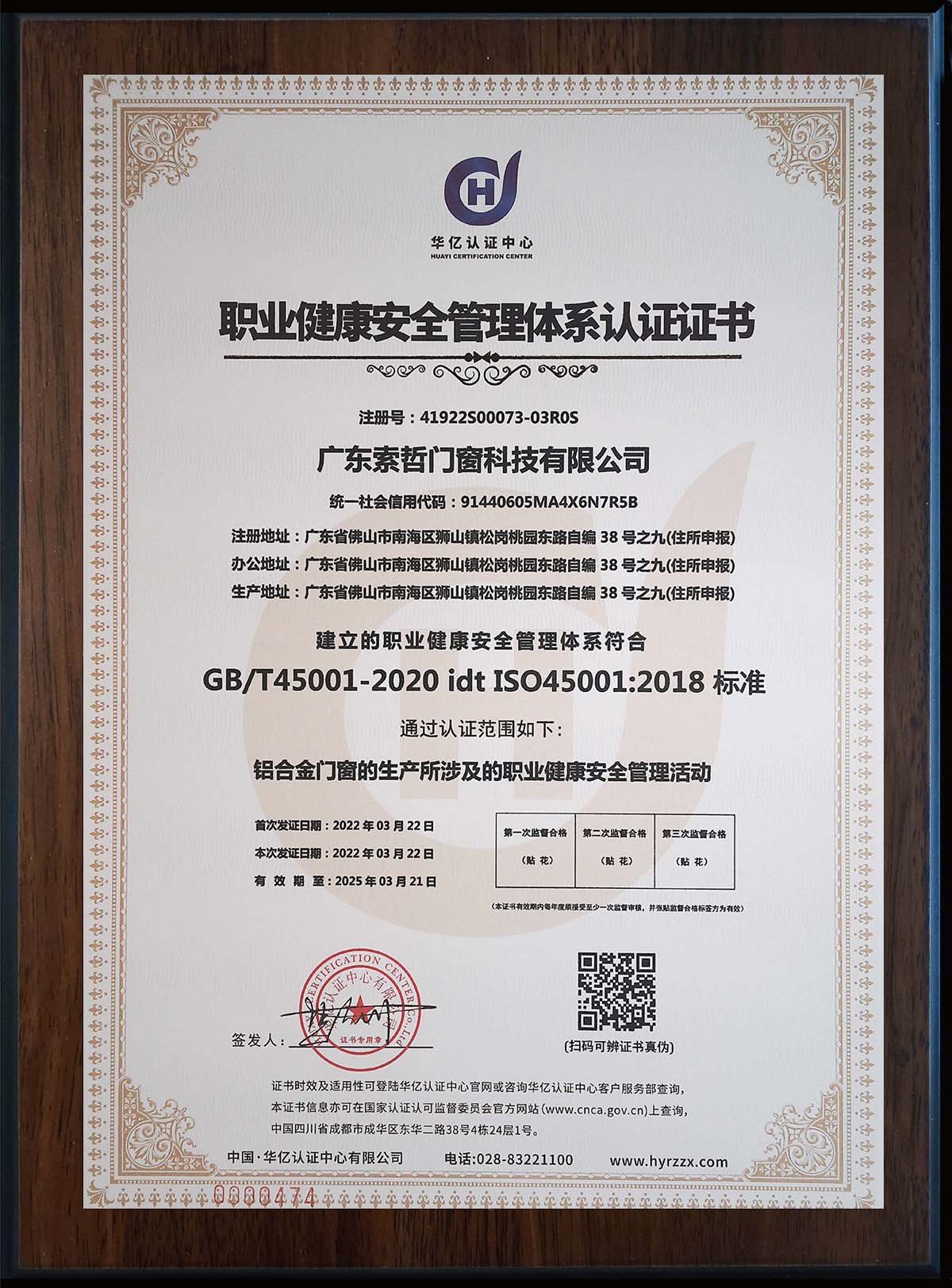
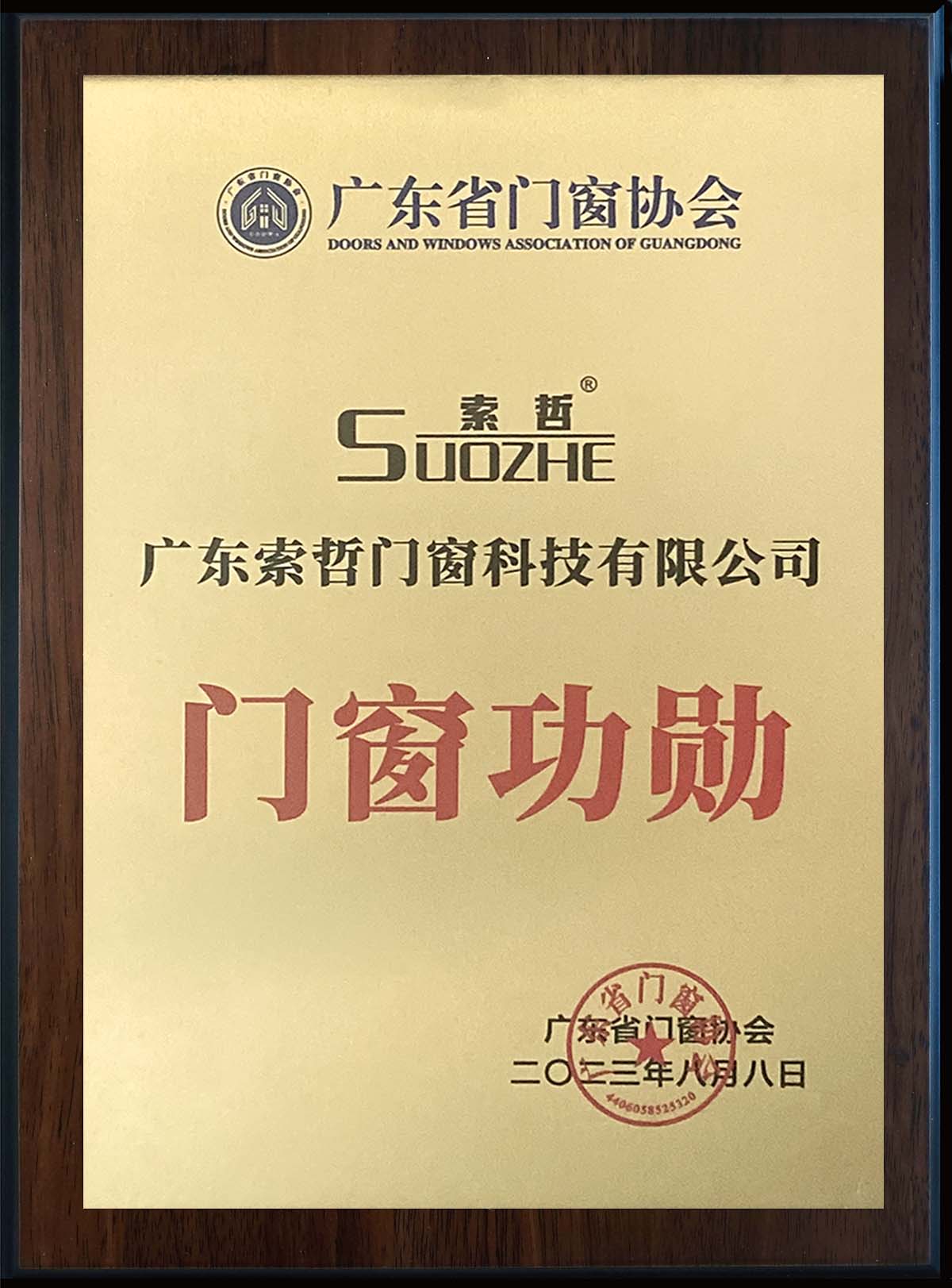
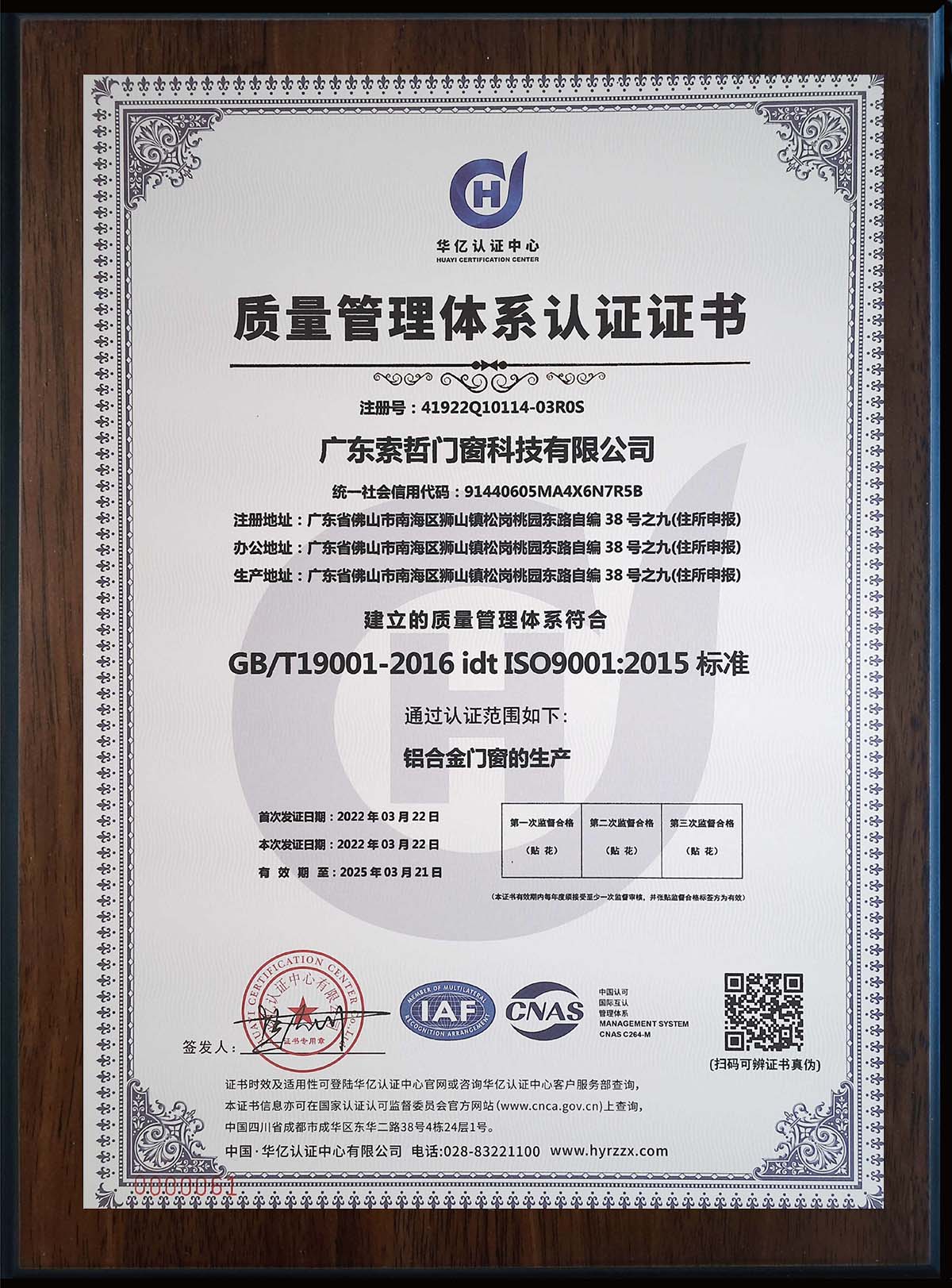
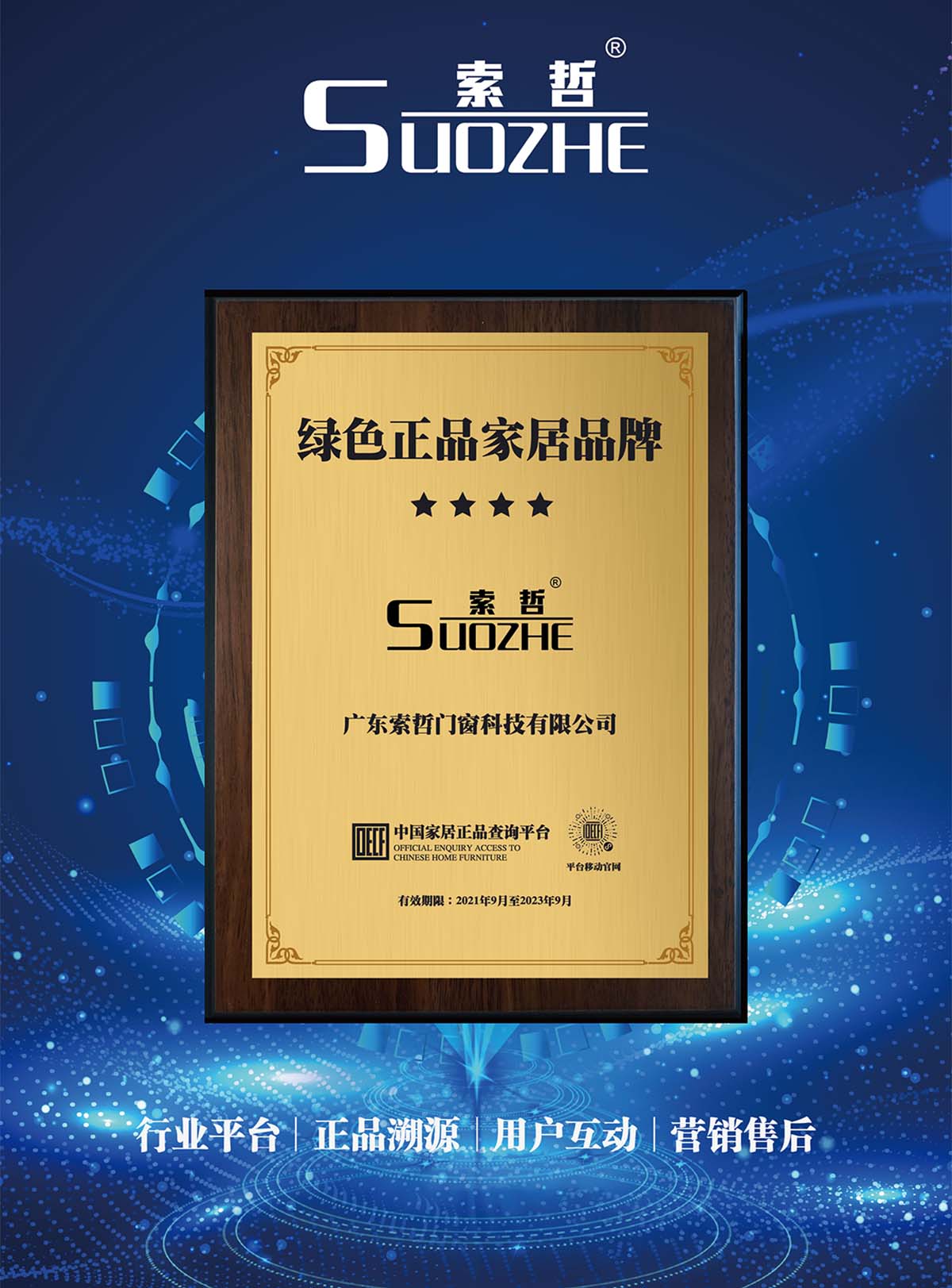
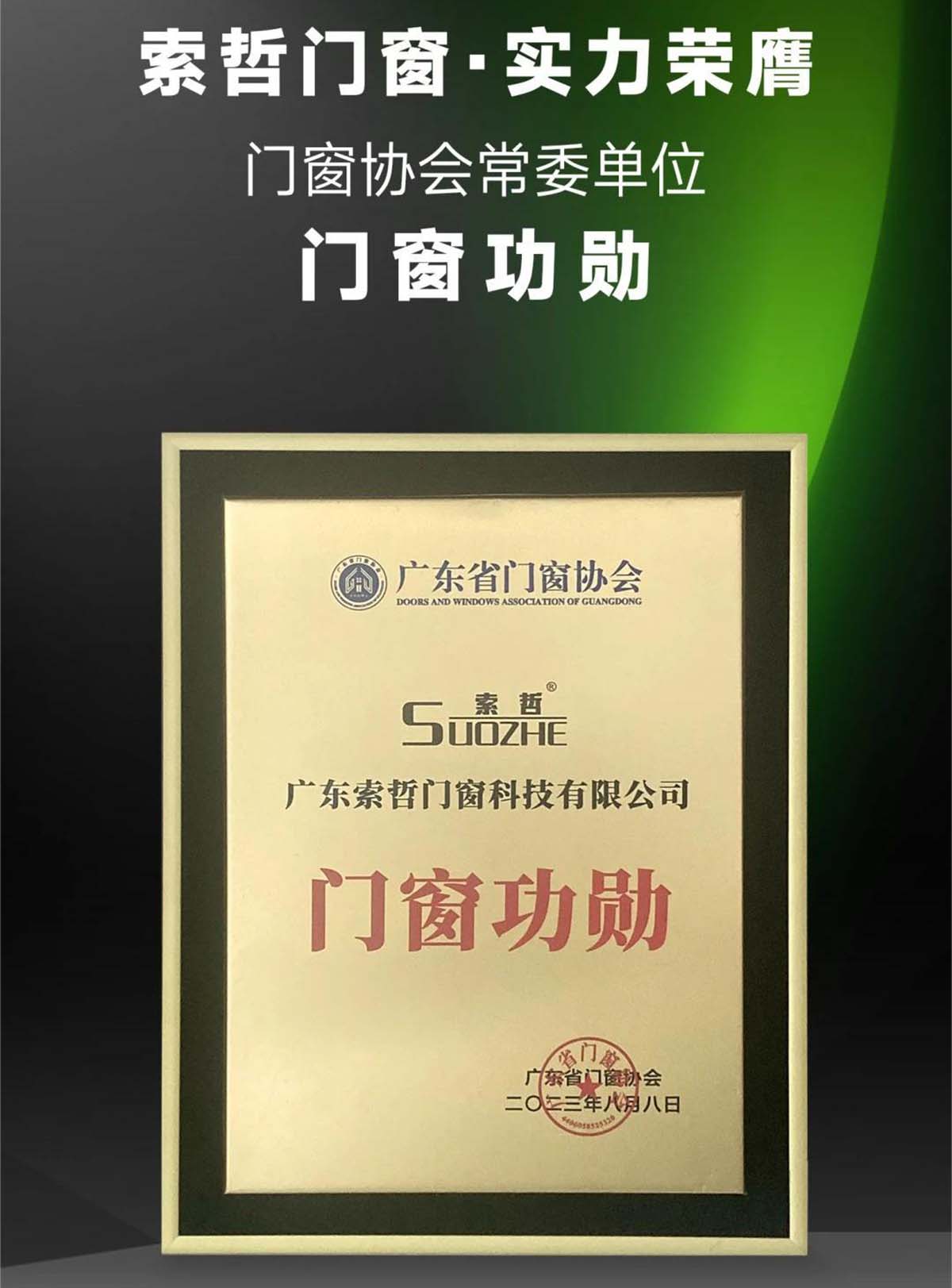
As a participating editor of the Prefabricated Sunroom Standards and a Standing Committee Member of the Guangdong Doors & Windows Association, Suozhe operates under strict compliance regimes. We maintain QES triple management system certifications (ISO 9001 / ISO 14001 / ISO 45001), guaranteeing consistent quality control, environmental stewardship, and occupational health and safety standards.
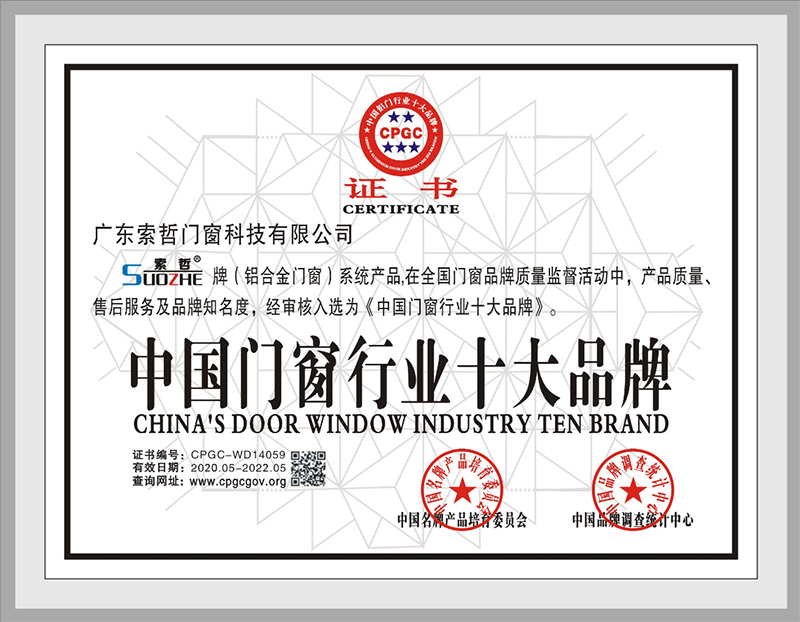
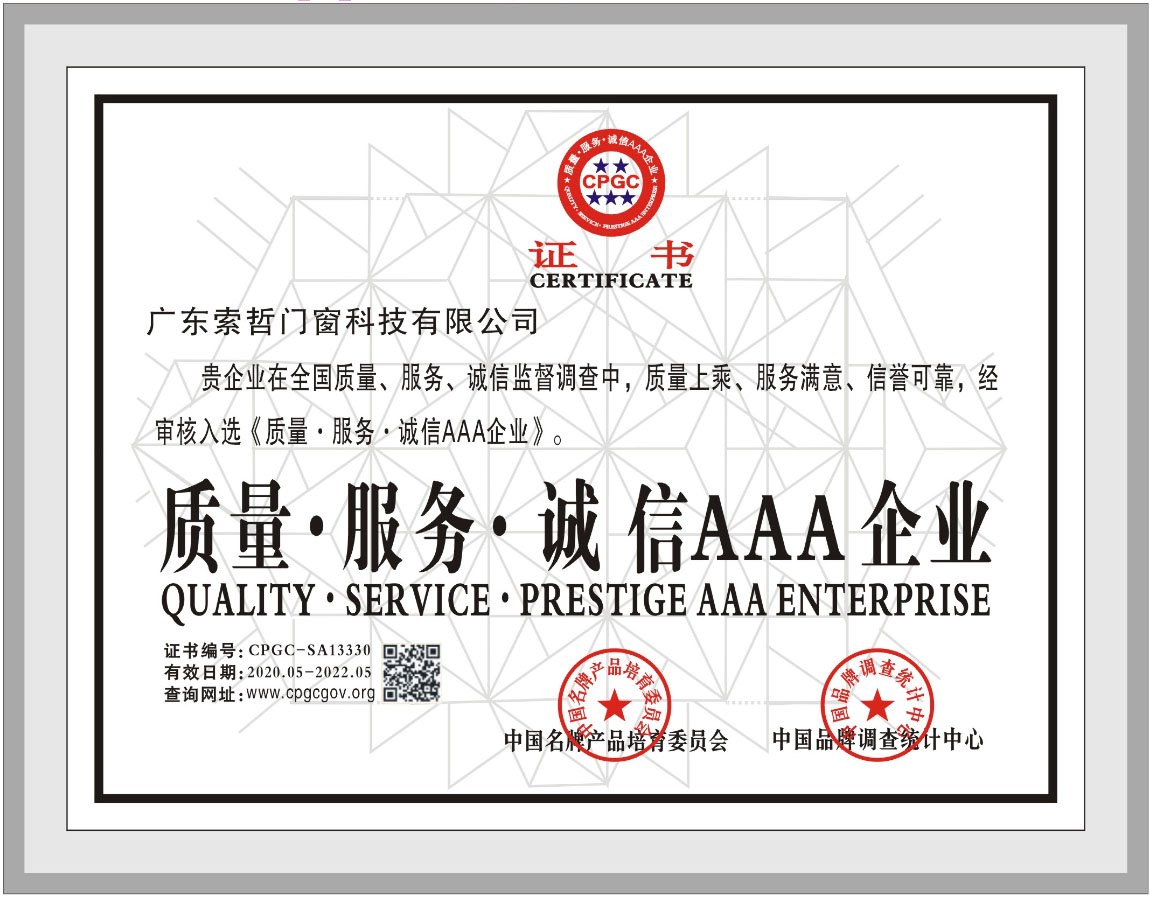
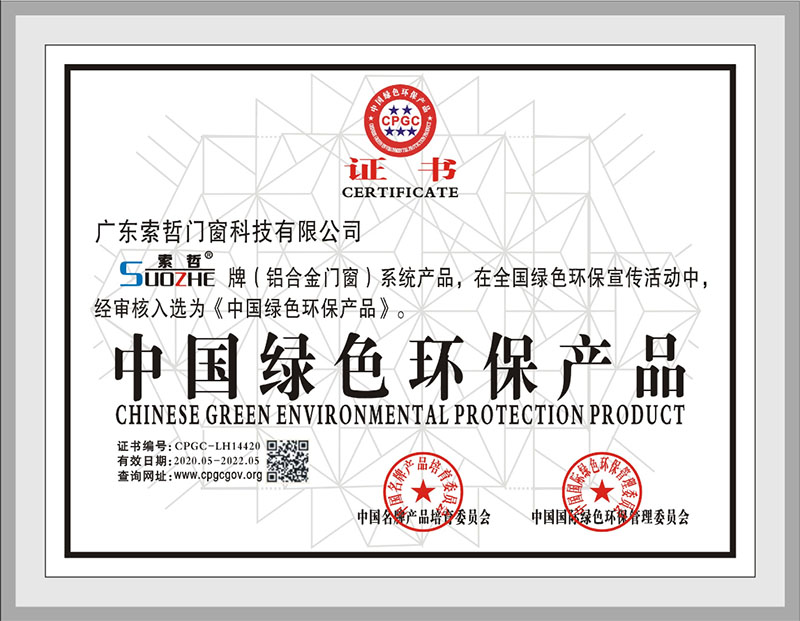
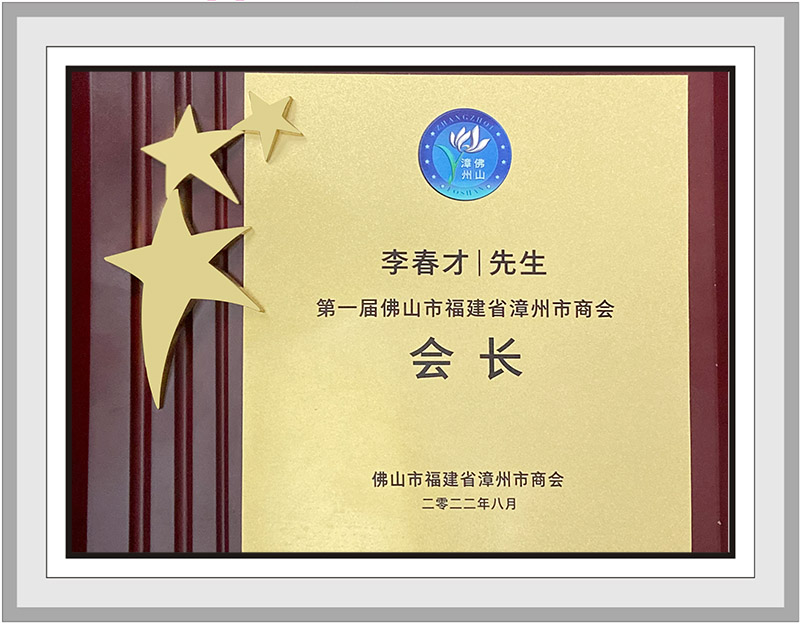
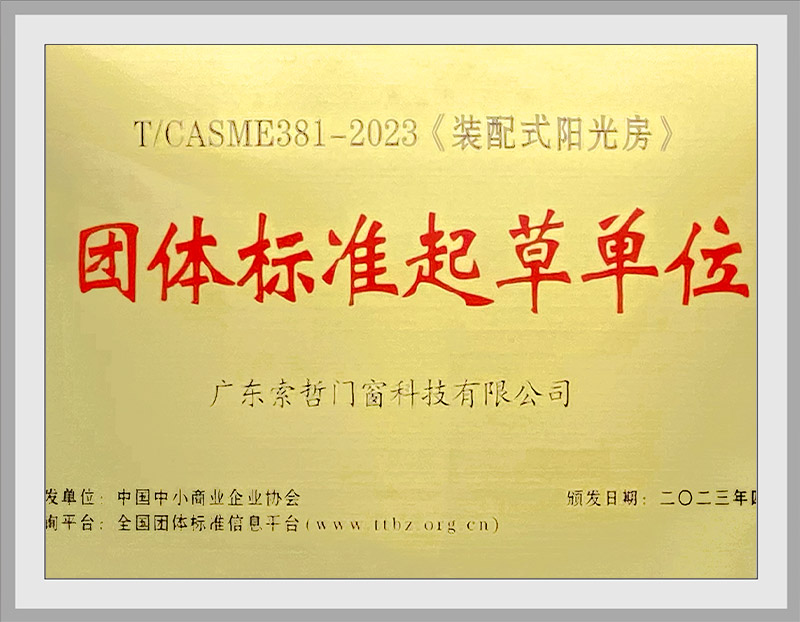
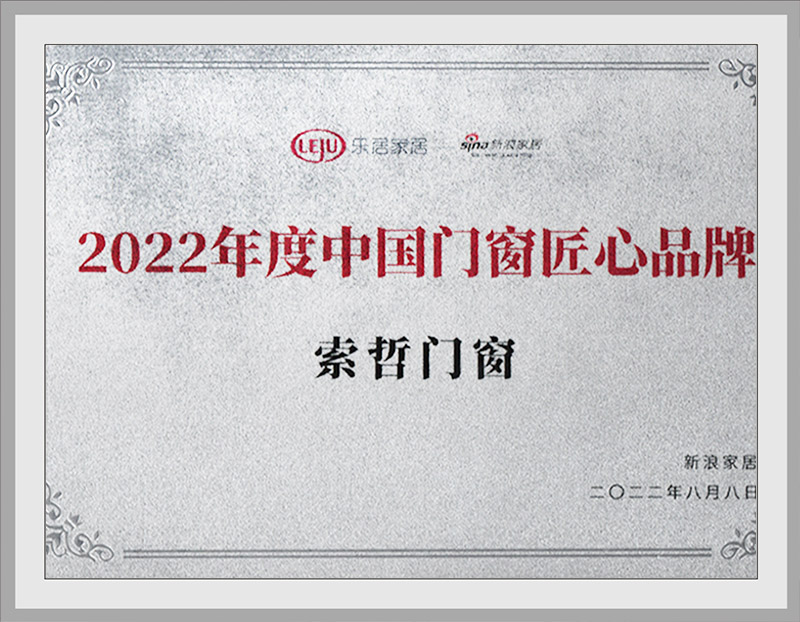
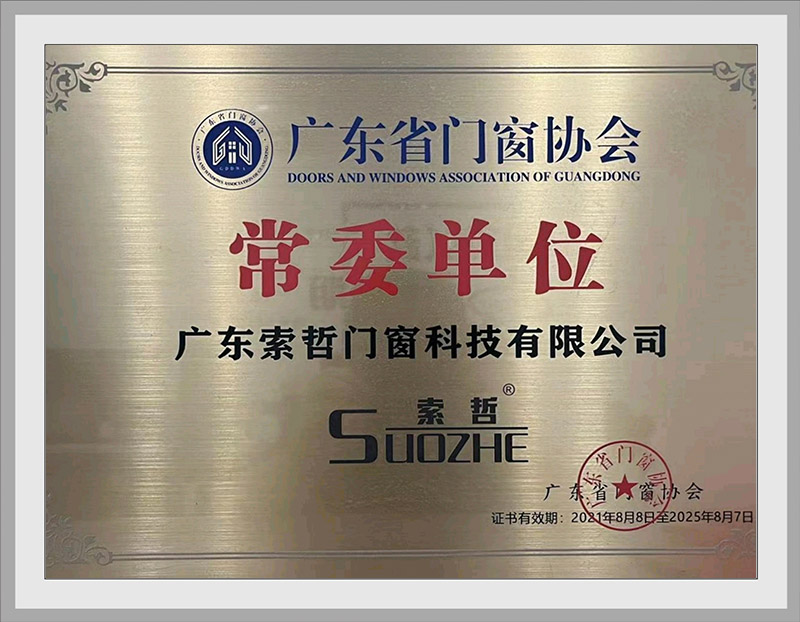
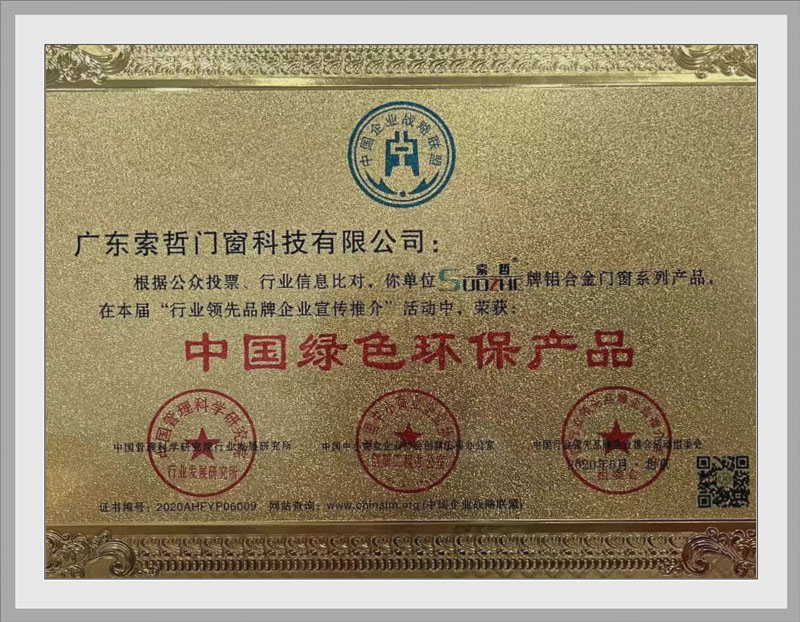
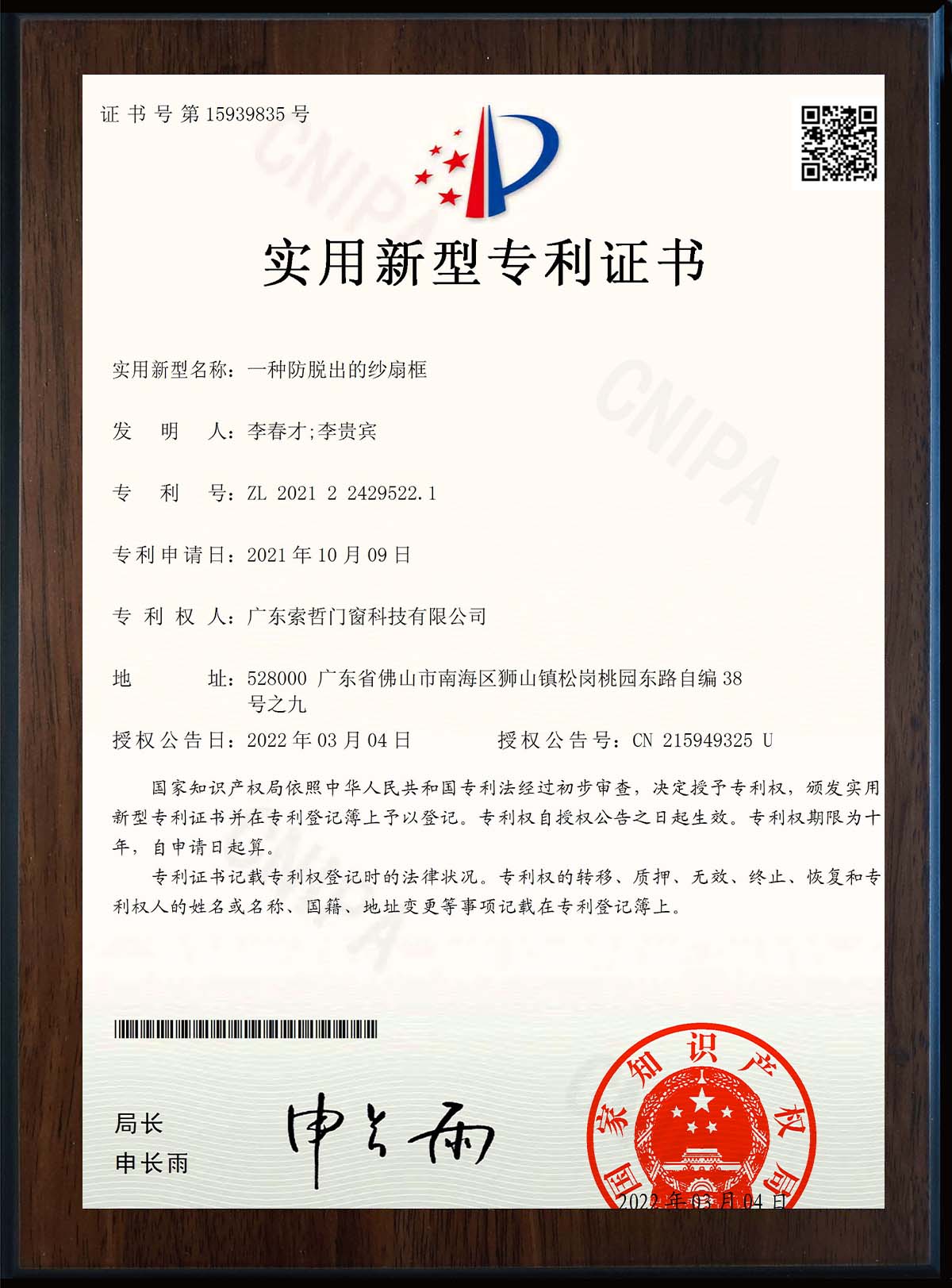
Through active research and development, we have secured over 200 national patent applications. These cover critical engineering innovations such as seamless profile welding, localized moisture management pathways, and high-performance multi-cavity thermal insulation structures.

High-performance fenestration must match the physical demands of its installation environment. Different geographical zones present distinct climatic, seismic, and municipal pressures. Below, we examine the typical engineering scenarios where double glazed sliding systems are deployed.
In major metropolitan centers, residential projects require both acoustic isolation and high wind pressure resistance. The multi-point compression locks on our sliding window systems create a tight seal when closed. Under high wind loads, the interlocking meeting rails transfer structural force back into the reinforced concrete building frame. The acoustic performance of our double-glazed configurations reduces traffic noise, ensuring a quiet indoor environment.
Salt spray, high relative humidity, and high wind pressures are typical challenges for coastal structures. Standard aluminum finishes quickly pit and corrode under marine conditions. Our coastal configurations utilize high-micron anodized aluminum profiles or PVDF fluorocarbon coatings to prevent surface oxidation. Additionally, we integrate marine-grade 316 stainless steel rollers and running tracks to ensure smooth operation over long periods.
In cold northern climates, thermal transfer can cause interior condensation and frost. By combining multi-cavity thermal break extrusions, warm-edge spacers, and Argon-filled low-E insulating glass units, we minimize thermal transfer. This reduces the risk of indoor condensation and ensures stable room temperatures, helping buildings comply with strict regional energy conservation codes.
Procuring custom fenestration for large B2B projects requires structured quality management, logistics planning, and cost optimization. Buyers must balance initial manufacturing costs against long-term maintenance costs and local energy compliance requirements.
During the design phase, our technical team works directly with project engineers to align window configurations with structural wind load requirements. We verify U-values, solar heat gain coefficients (SHGC), and visible light transmittance (VLT) through thermal simulation reports before production begins. This pre-production engineering helps prevent onsite installation issues and ensures compliance with building codes.
Testing includes cyclic air infiltration (ASTM E283), water penetration under static pressure (ASTM E331), and structural load testing (ASTM E330).
Units are packed using protective film, high-density corner guards, and reinforced wooden crates. This minimizes vibration and transit damage during ocean freight.
We supply detailed installation drawings, structural calculations, and maintenance documentation to facilitate project sign-off and local inspections.
 Suozhe Windows