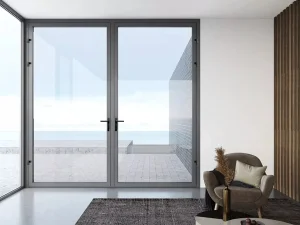
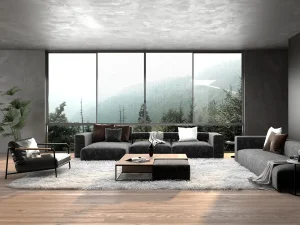
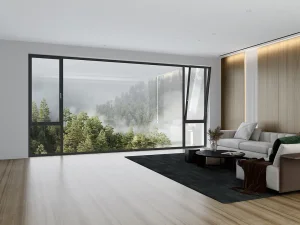
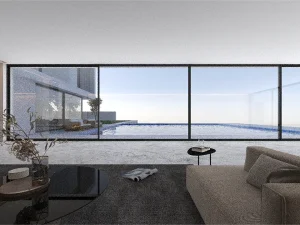
Engineered systems certified for superior insulation, air tightness, and acoustic performance.
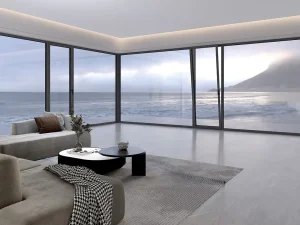
Modern architecture is shifting rapidly toward maximization of natural light, spatial continuity, and building envelope optimization. Sliding glass windows have transitioned from simple residential fenestration to highly engineered, structural solutions capable of carrying significant wind loads, blocking ambient high-frequency noise, and reducing overall carbon footprints. Globally, both commercial high-rises and state-of-the-art industrial parks prioritize high-performance glazing systems to meet stringent environmental certification schemes such as LEED (Leadership in Energy and Environmental Design) and BREEAM.
These advanced sliding systems utilize structural aluminum profiles integrated with thermal barriers. Key regional markets, particularly North America, Europe, and the Middle East, demand compliance with rigid building codes (e.g., NFRC certifications for U-factors, and EN standards for air-water-wind resistance). Selecting a manufacturer with localized testing data and high-quality structural engineering capabilities has become the benchmark for international B2B buyers.
To ensure high durability and performance in harsh weather climates, leading developers choose sliding systems with:
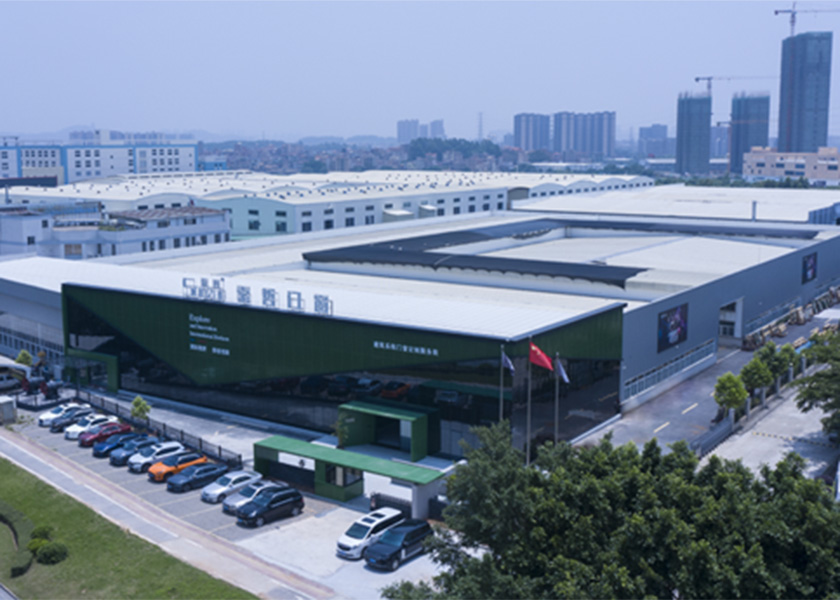
Suozhe Doors & Windows is a professional enterprise specializing in the R&D, manufacturing, and marketing of architectural system doors and windows, engineering curtain wall doors and windows, outdoor sunshade engineering systems, and related products. Equipped with an industry-leading door and window testing center, the company operates a modern garden-style production base spanning over 60,000 square meters, featuring fully automated Industry 4.0 intelligent production lines.
Its branded franchise stores are distributed nationwide, and its products are exported to multiple countries across Europe, America, and Southeast Asia, solidifying its position as a pioneering high-end customization leader in the system doors and windows industry.
Combining ecological logic, material science, and high-performance design principles.
Adhering to the development philosophy of "personalized design, innovative product development, scaled manufacturing, and globalized operations", Suozhe Windows & Doors employs the "Environment + Science + Human Habitat" framework as its foundational logic to integrate structures naturally within their local climates.
Committed to the "Three-High Standards" (high performance, premium quality, and aesthetic appeal), the brand strives to create healthy, comfortable, energy-efficient, and eco-friendly living environments for discerning consumers worldwide.
Engineered using aerospace-grade aluminum profiles and structural hardware. Offers tailormade designs to bridge the gap between complex engineering, architectural demands, and local geographical requirements.
The global dominance of Chinese window and door manufacturers stems from a synergistic mix of deep supply chain integration, advanced digital manufacturing technologies, and massive capital investments in automated production. By leveraging the comprehensive industrial clusters located in key manufacturing zones such as Guangdong, factories like Suozhe achieve unmatched vertical integration. From local billet extrusion, anodizing, and powder coating processes to custom insulated glass unit (IGU) assembly, the entire production value chain occurs within a tight geographic radius, drastically cutting turnaround times and shipping costs.
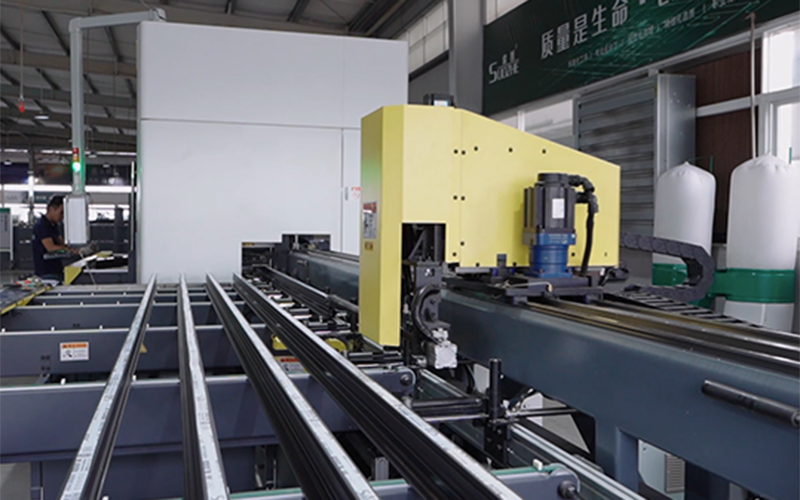
Modern Industry 4.0 production bases utilize computerized numerical control (CNC) machining centers that cut and route profiles with sub-millimeter precision. Automated glazing robots install double- and triple-glazed units under dust-free conditions, ensuring that internal desiccants remain moisture-free and gas-retention rates remain high. Consequently, architectural designers receive top-tier system windows that meet rigorous international certification benchmarks at a much more competitive price point compared to localized assembly shops.
Advanced thermal fusion eliminates outer joints, maximizing structurally robust corners and ensuring 100% waterproof corners.
Dust-free robotic glazing keeps internal air chambers moisture-free, preventing internal condensation for decades.
Co-located extruders, glass float plants, and hardware suppliers ensure fast, dynamic logistics execution.
Unlocking project efficiency through structured design paradigms and cutting-edge material engineering.
Tailored structural glazing solutions integrating unique local architectural styles, complex structural layouts, and customized user wind-load requirements.
Advanced thermal-break engineering, using aerospace-grade aluminum alloy profiles and intelligent locking and structural hardware systems.
Fully automated Industry 4.0 intelligent production systems ensure consistent tolerances, ultra-low waste, and robust lead-time execution.
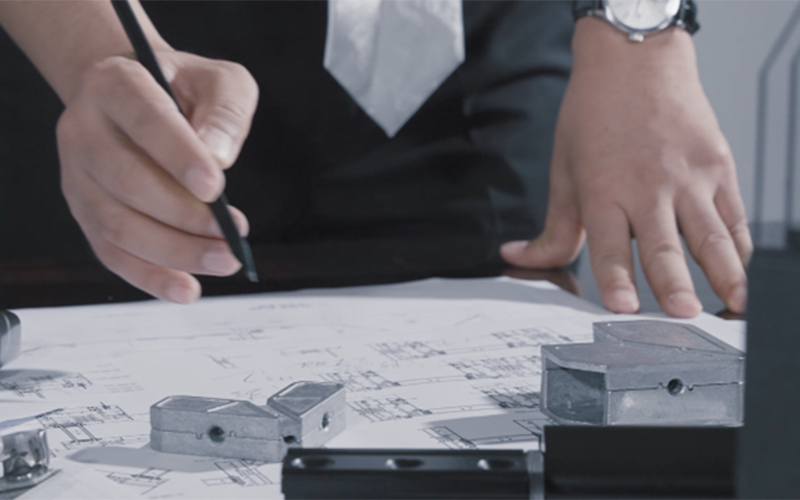
Strict performance verification targeting high thermal insulation, premium product tactile feedback, and structural architectural aesthetics.
Architectural elements cannot follow a one-size-fits-all methodology. A sliding glass window engineered for an alpine resort faces completely different thermal challenges than one built for a coastal skyscraper. Designing windows that last for decades requires analyzing the micro-climates of the job site. High-quality factories adjust structural metal thickness, profile width, glass tint, coating properties, and interlocking gasket materials depending on the localized context:
A participating editor of the Prefabricated Sunroom Standards and a Standing Committee Member of the Guangdong Doors & Windows Association.
Suozhe Doors & Windows has obtained QES (ISO 9001 / ISO 14001 / ISO 45001) triple management system certifications, demonstrating its commitment to standardized production, environmental stewardship, and sustainable operations. With over 200 national patent applications, the brand leads technological innovation in the industry, particularly in seamless welding and high-performance system window solutions.
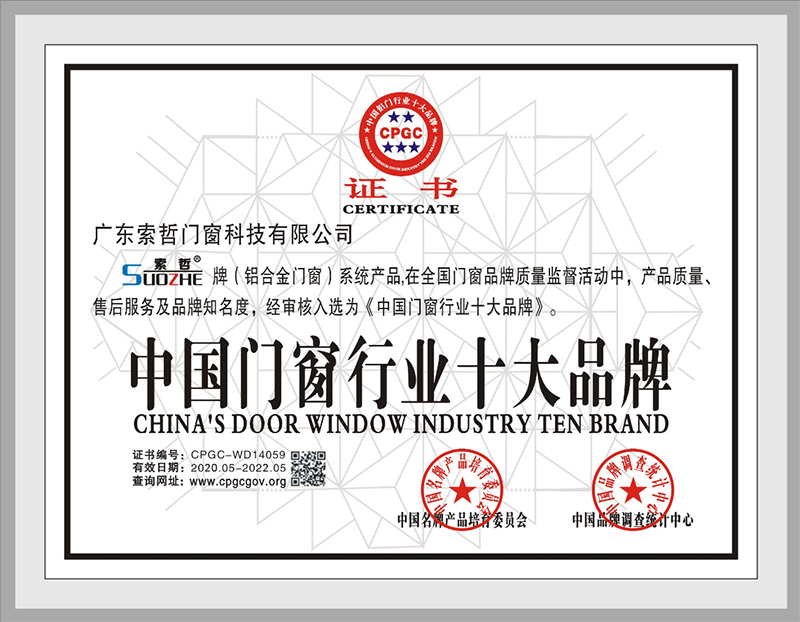
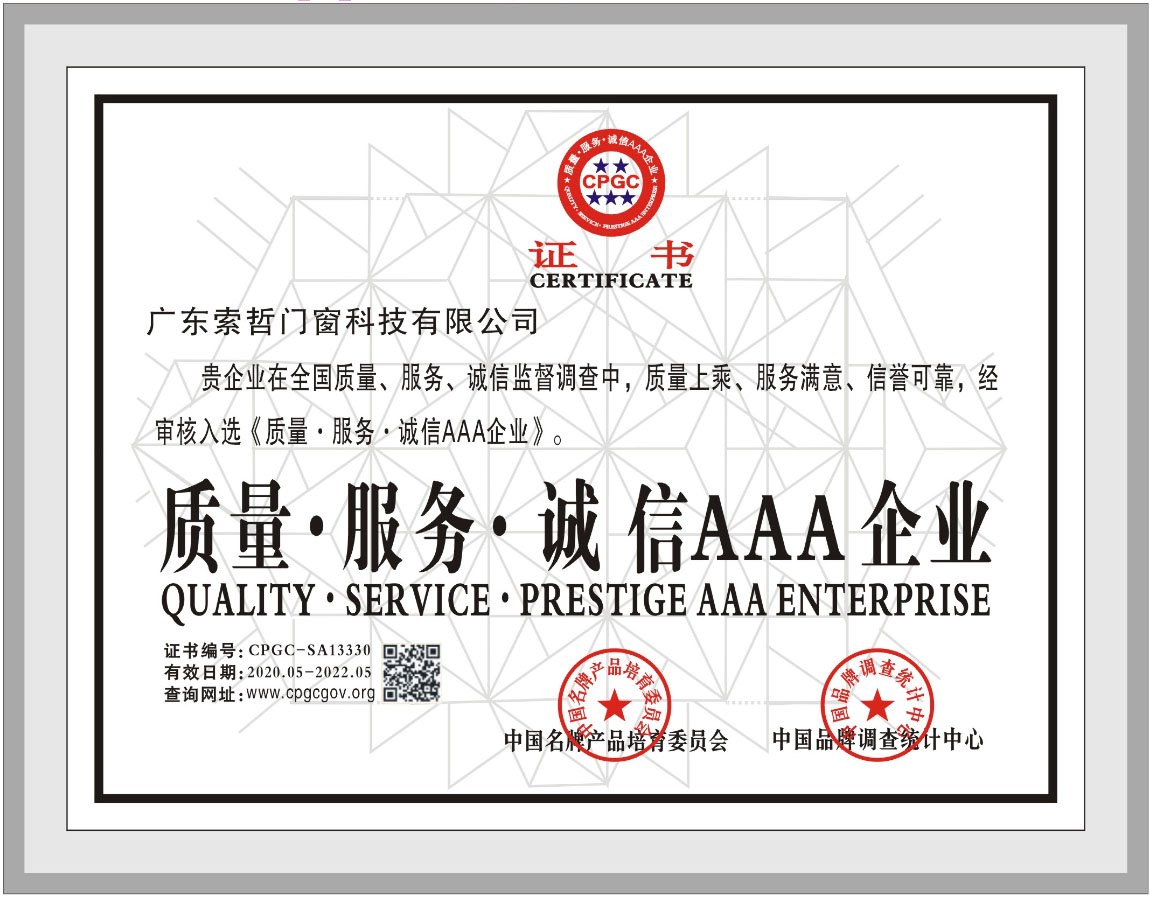
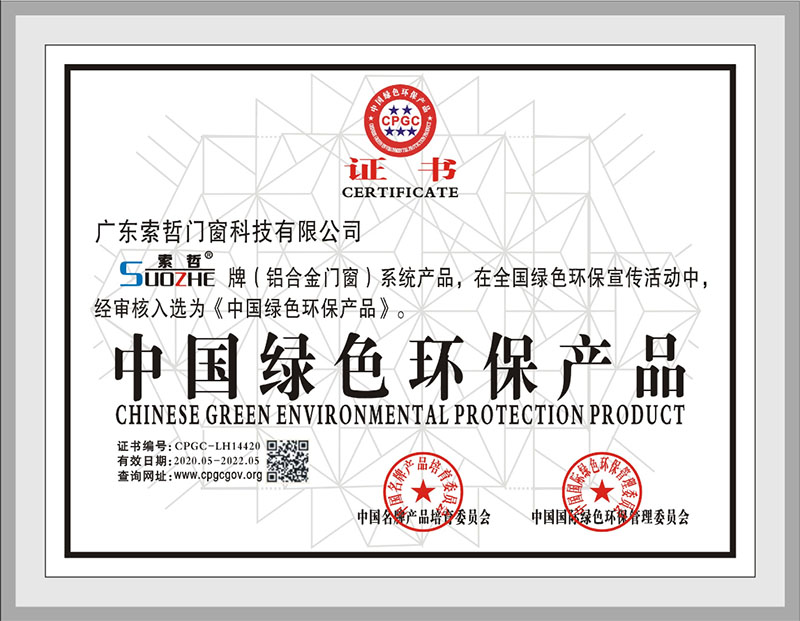
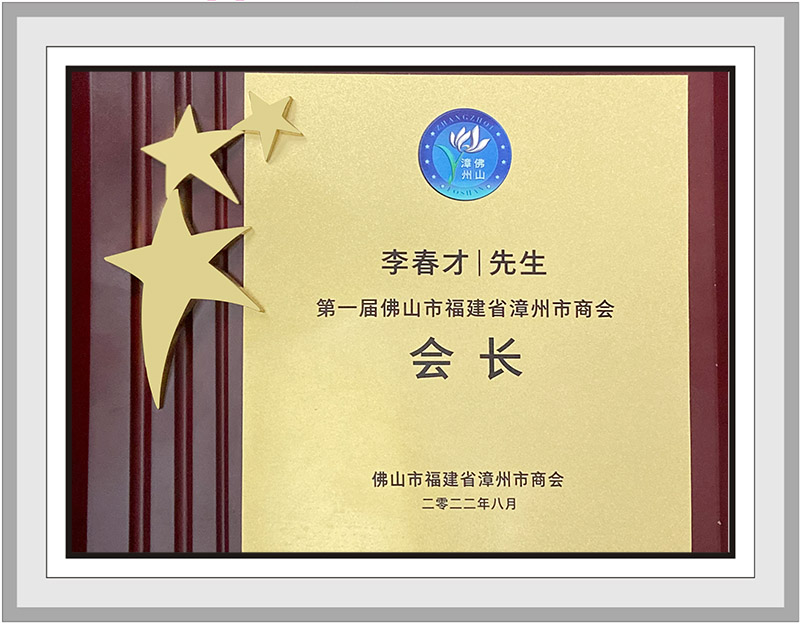

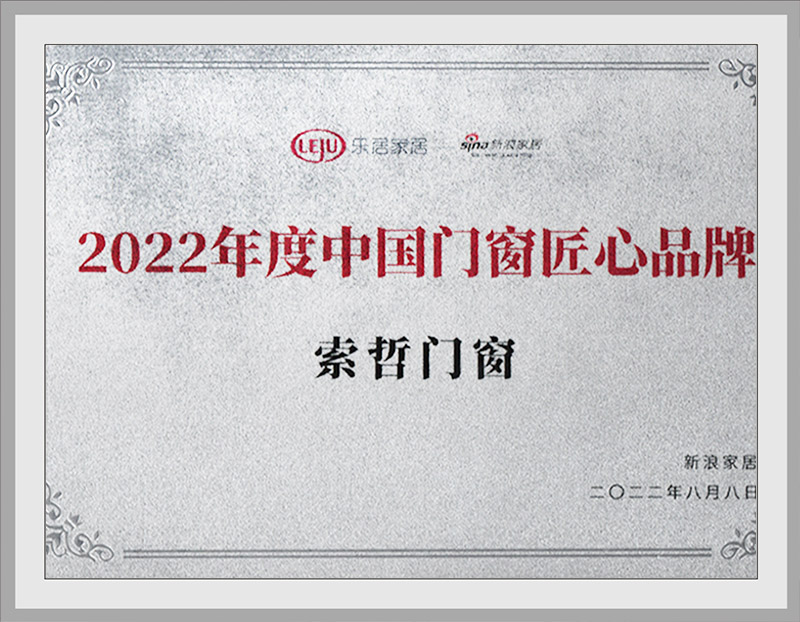
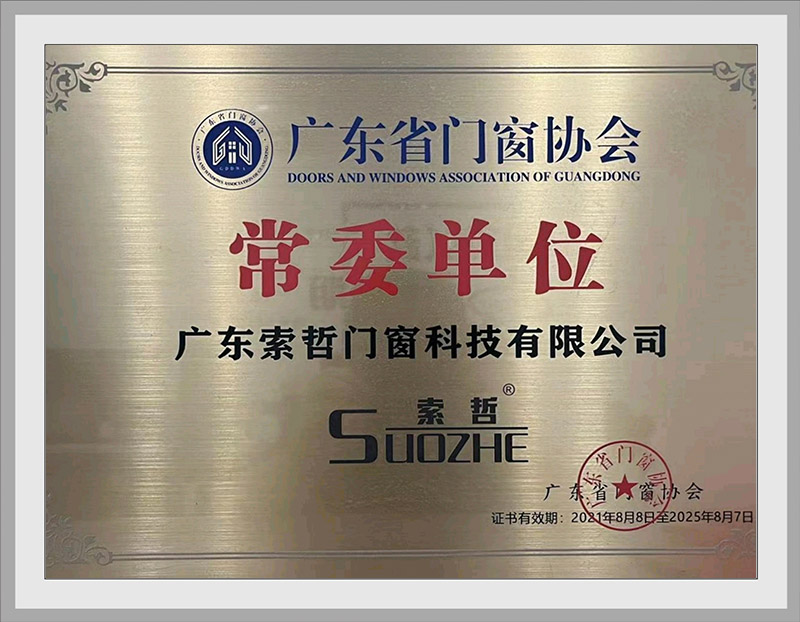
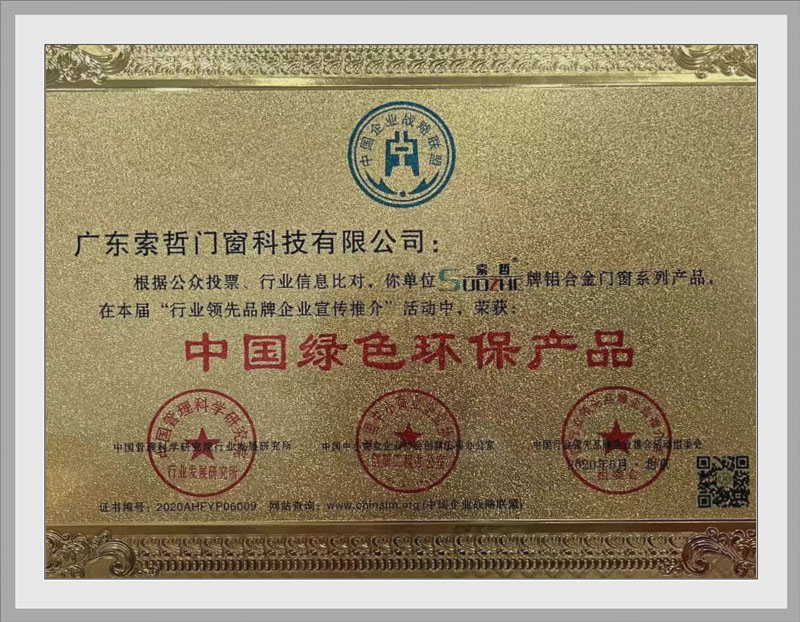
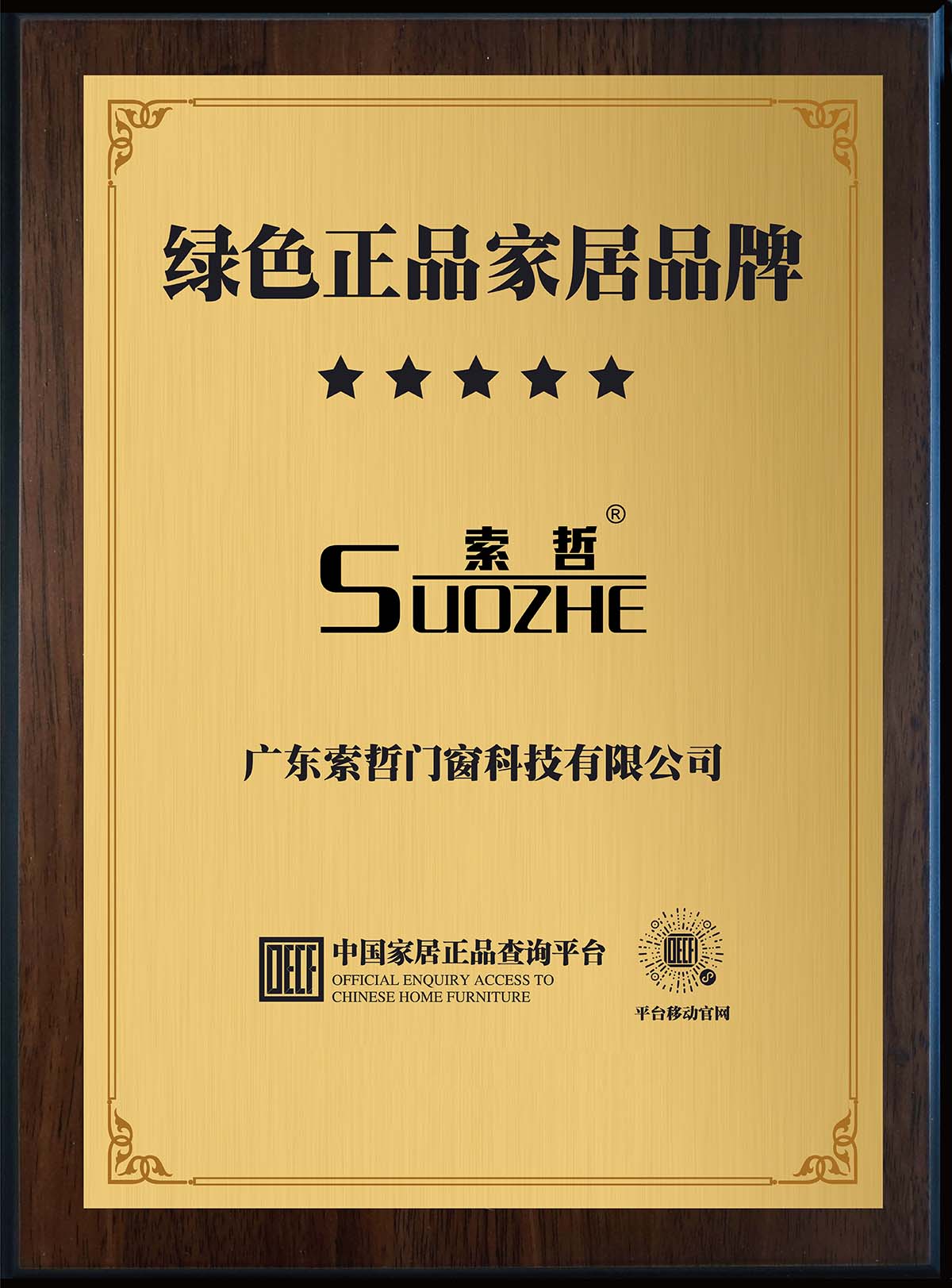
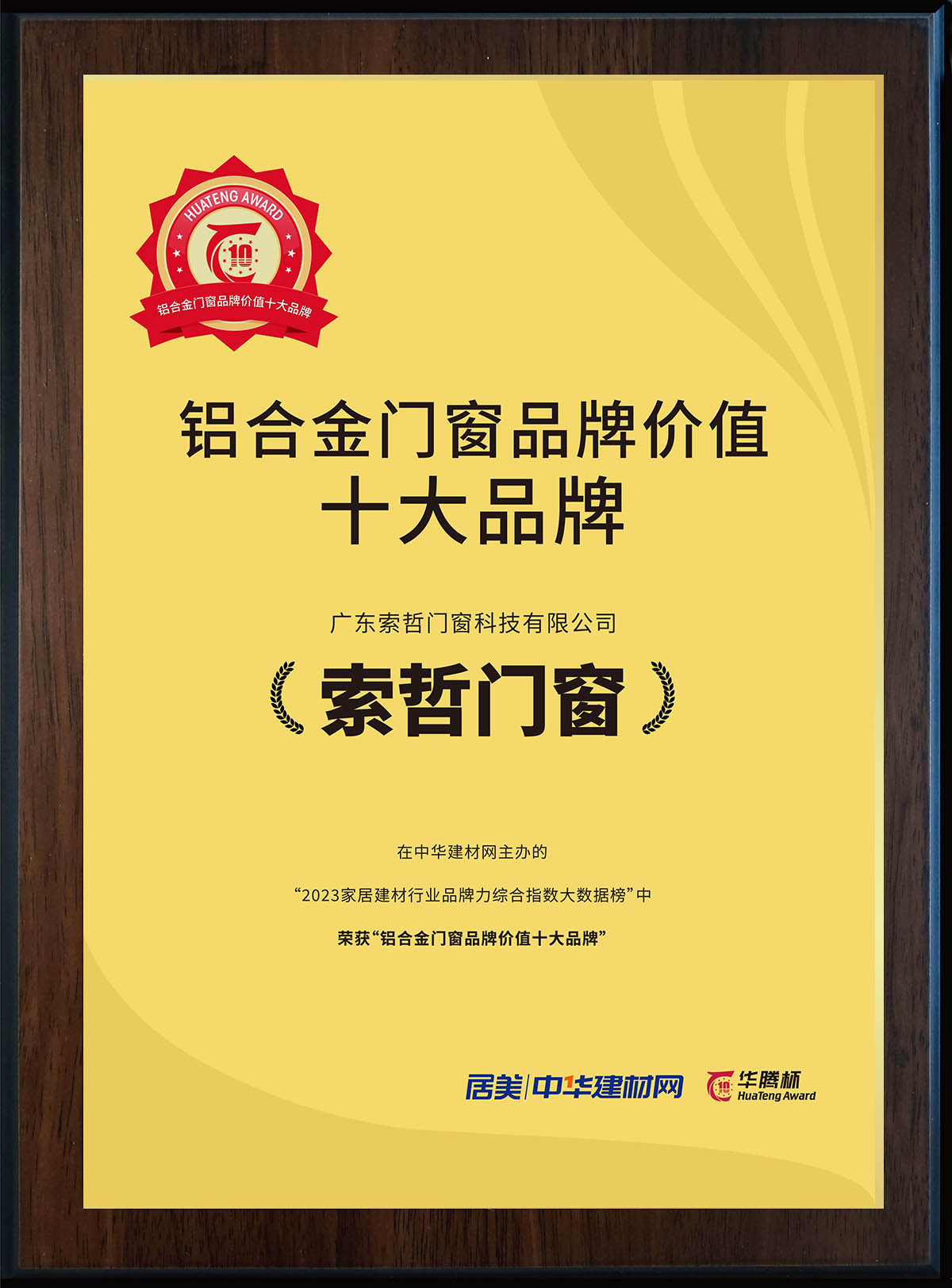
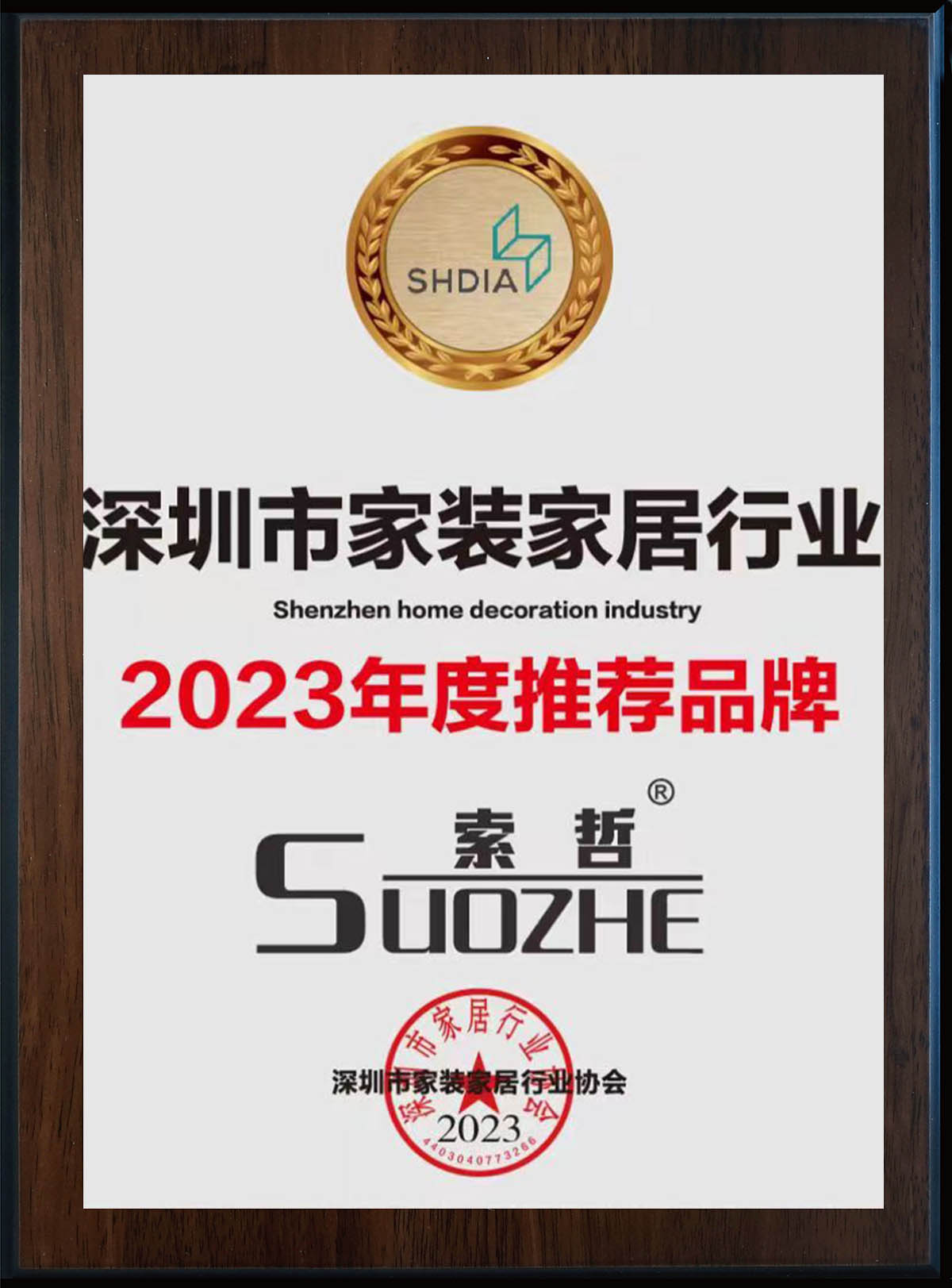
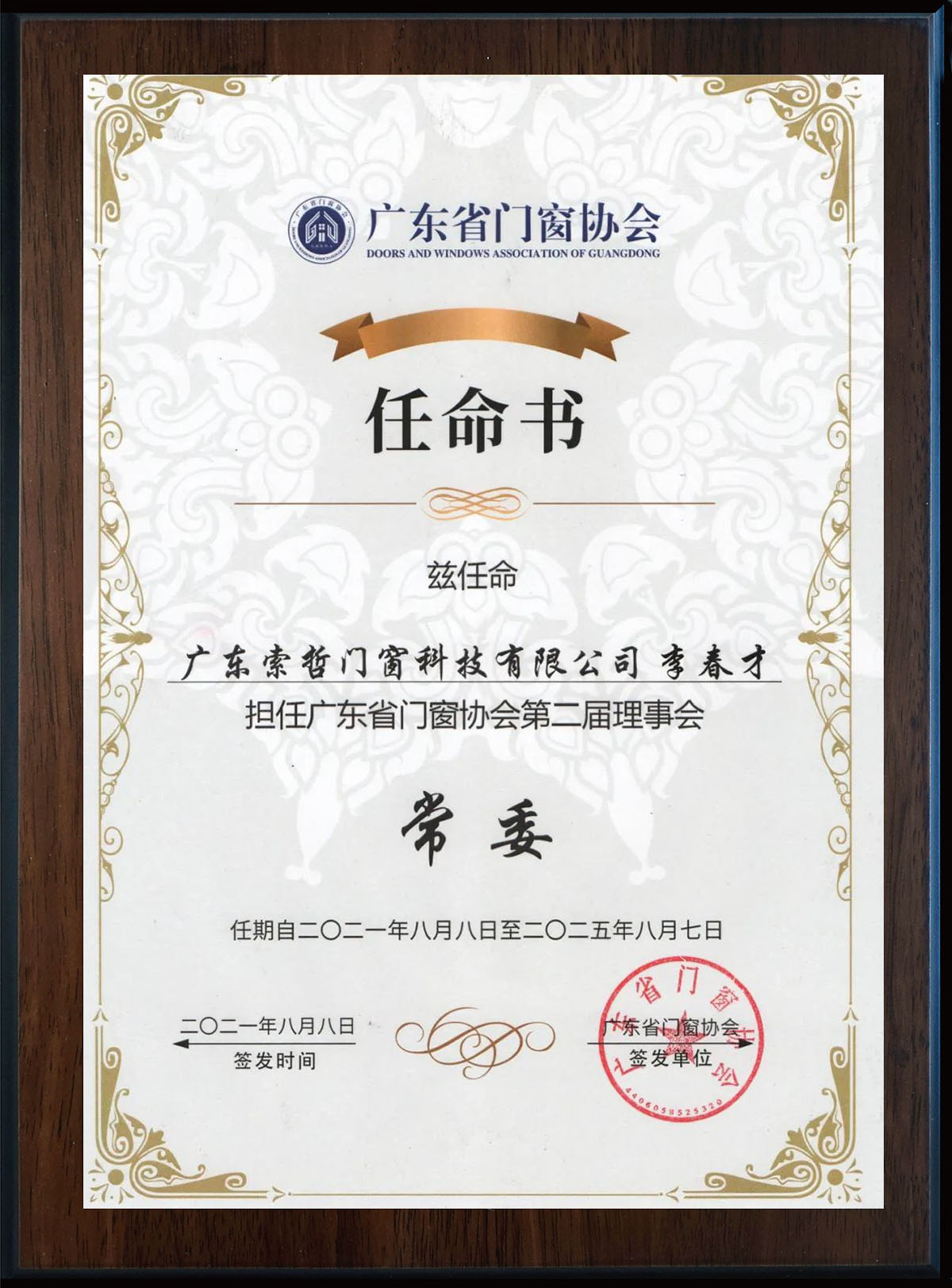
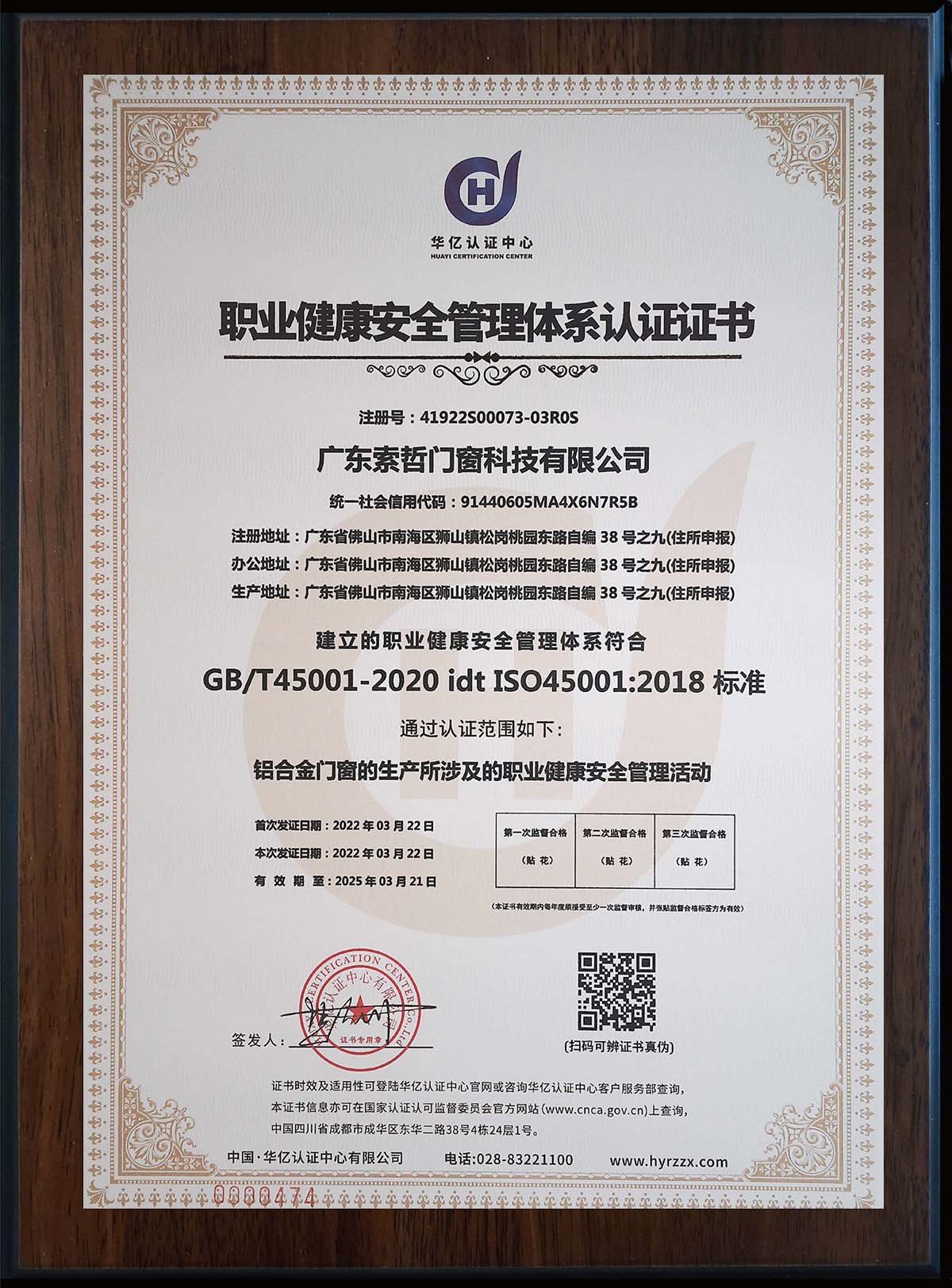
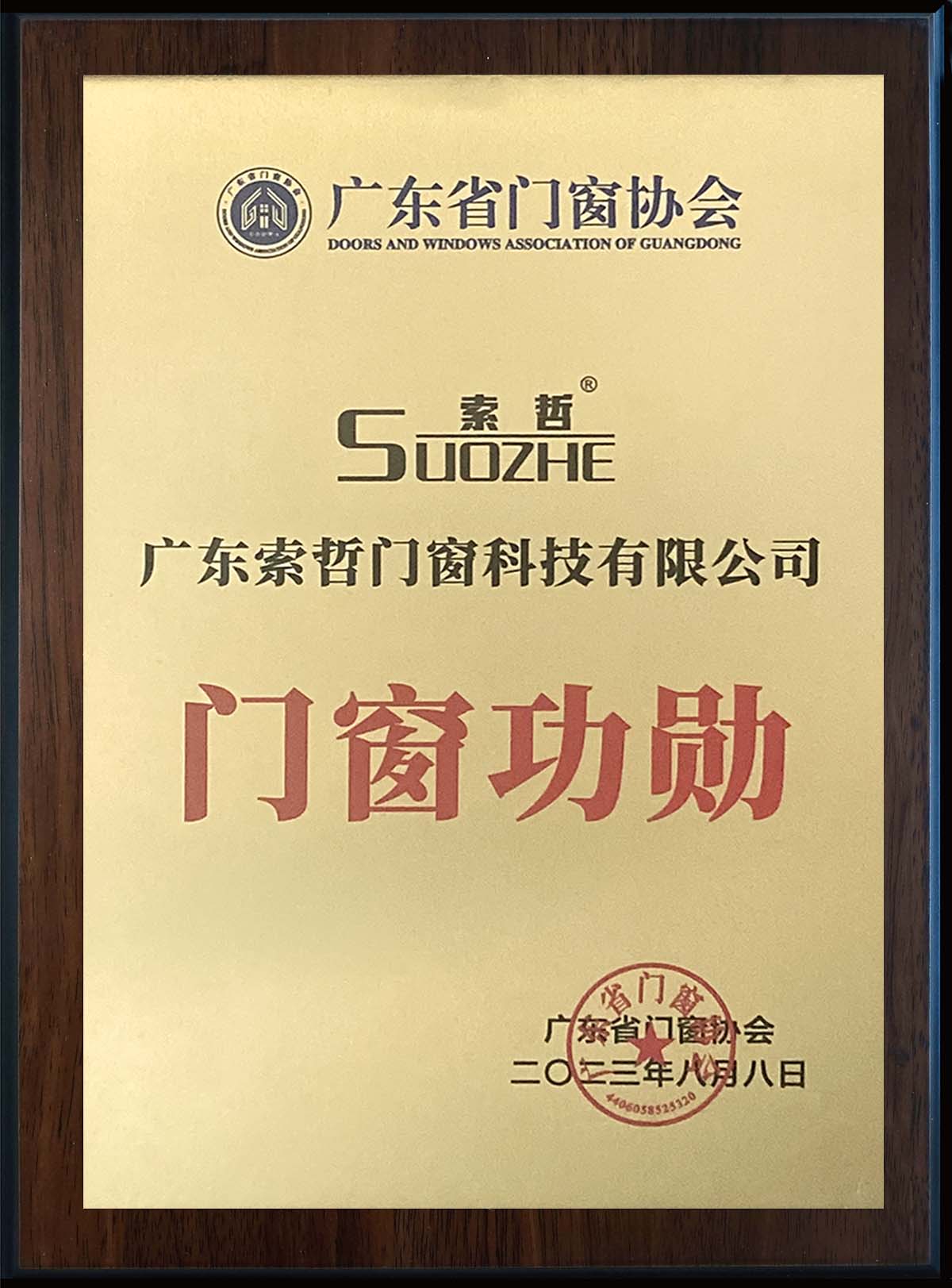
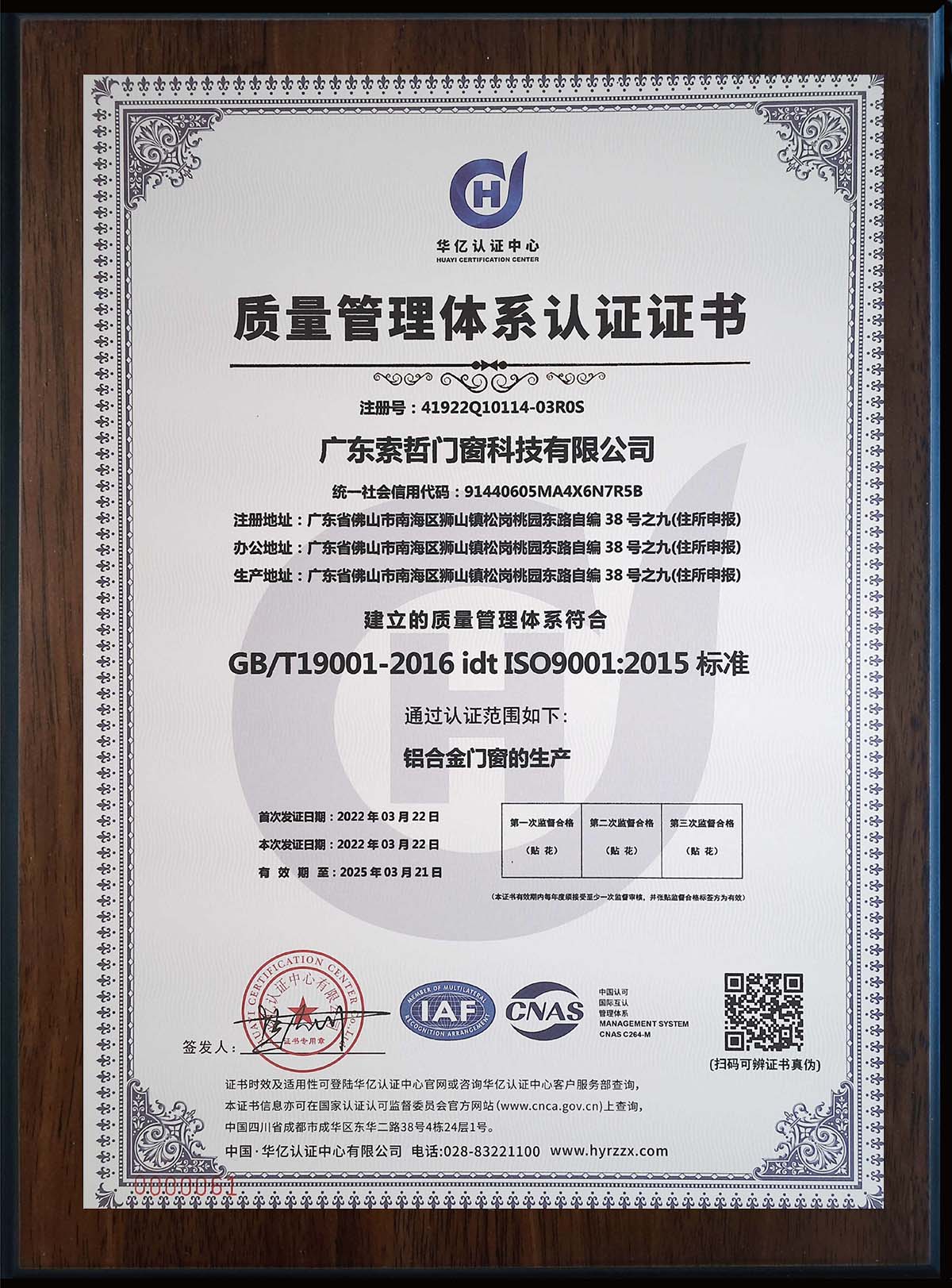
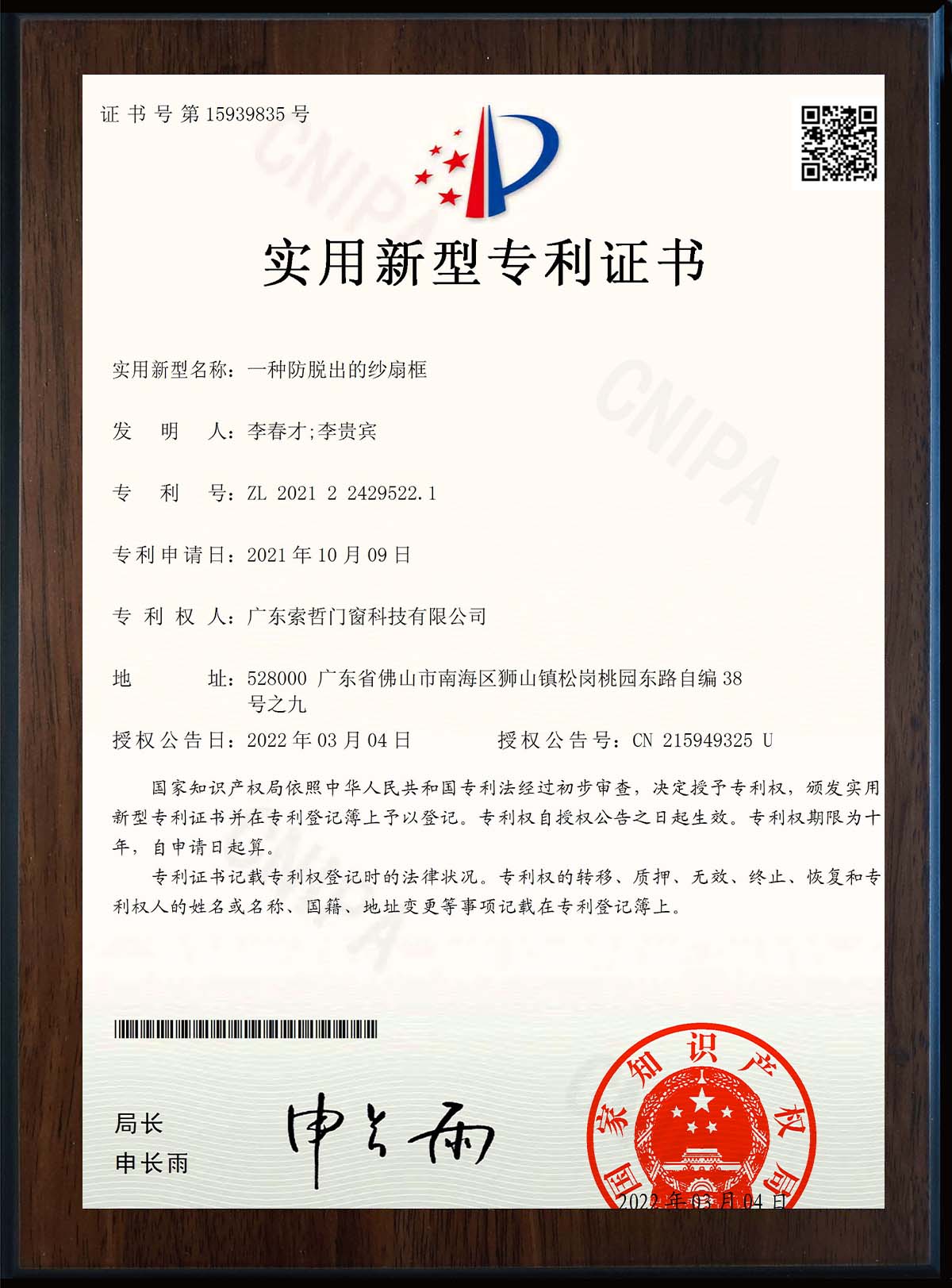
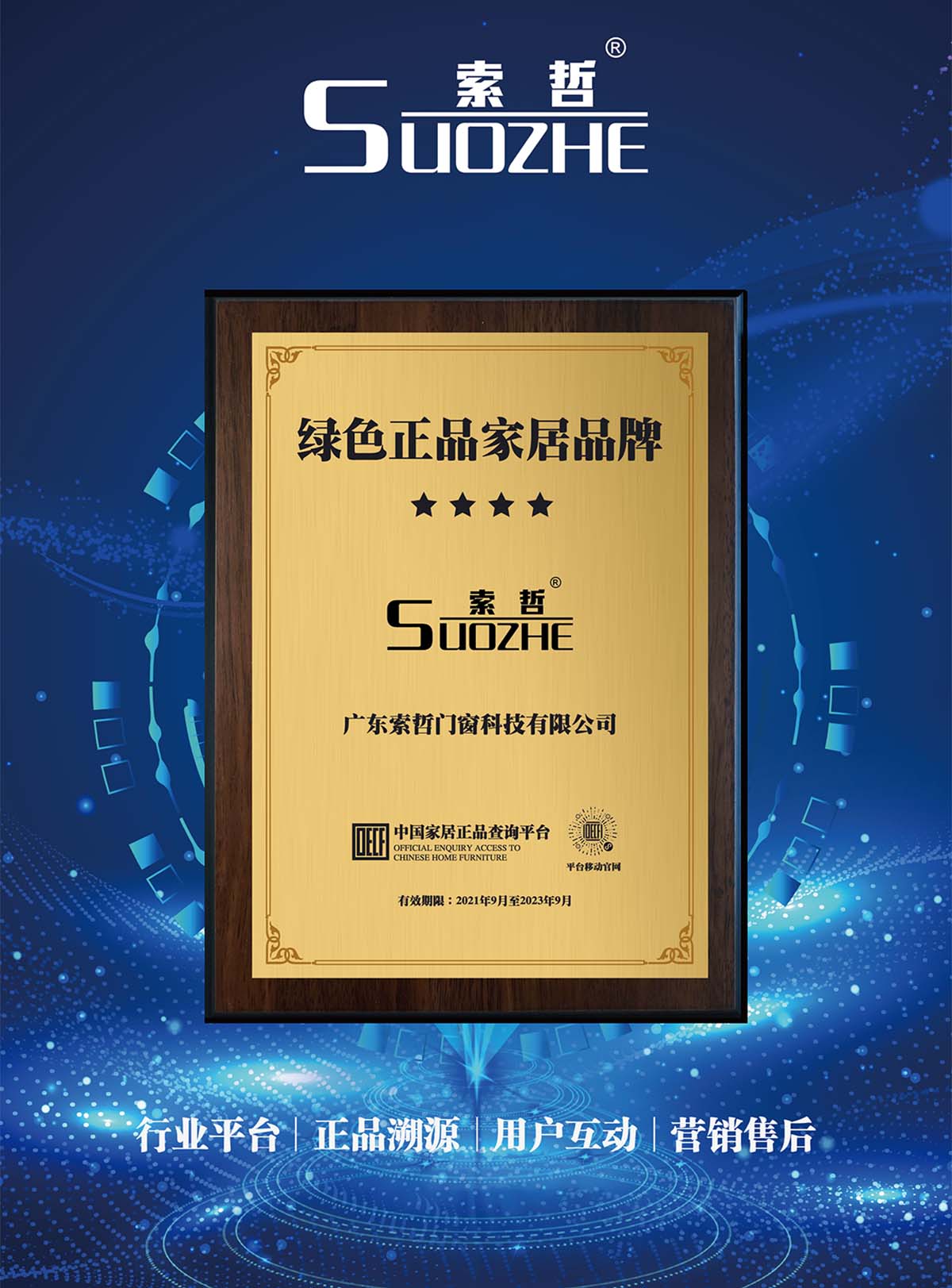
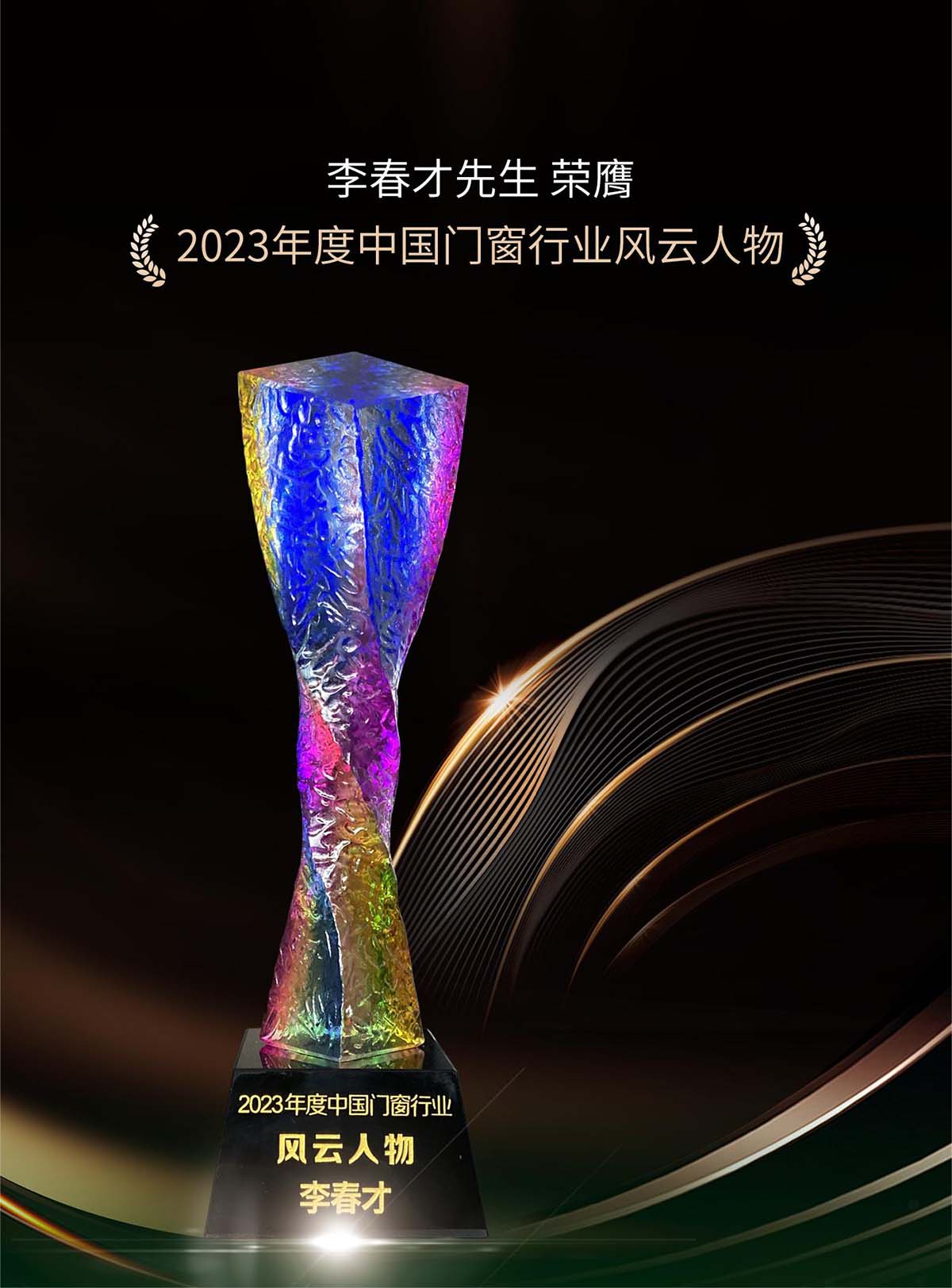

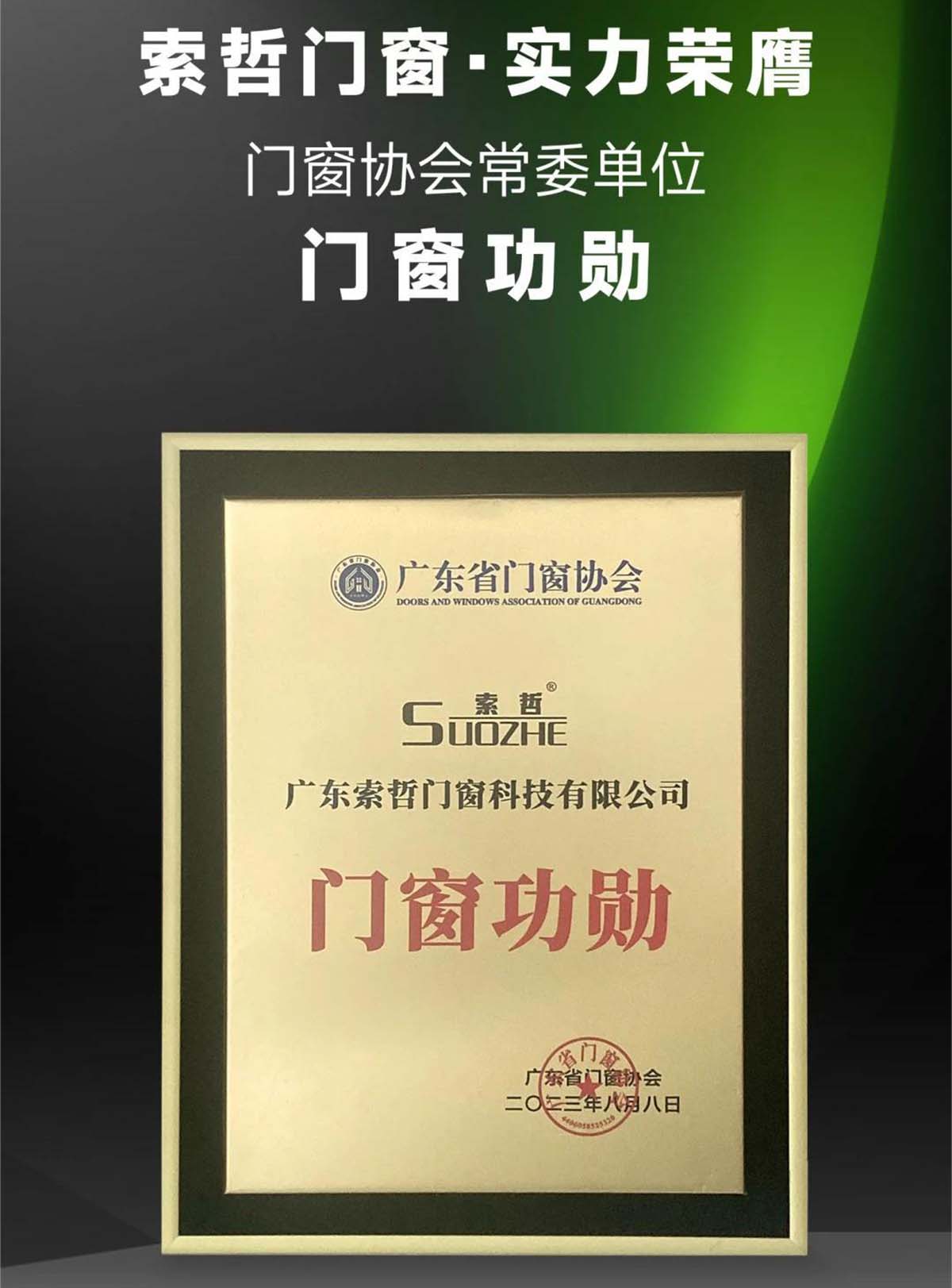
Rooted in quality craftsmanship and backed by professional expertise, Suozhe operates from a high-standard foundation, integrating front-end and back-end systematic management. The brand achieves seamless coordination across systematic R&D, premium configuration design, high-end customization, precision manufacturing, and turnkey installation.
By offering one-stop spatial aesthetic solutions for system doors and windows, Suozhe is dedicated to enhancing the quality of life for discerning customers while contributing to the advancement of China's system doors and windows industry.
As the construction landscape prioritizes sustainability and energy efficiency, the global fenestration sector is evolving to meet these challenges. B2B buyers must navigate these changes to ensure their projects remain compliant and highly functional over their lifespans. We see three macro-trends shaping future sliding window specifications:
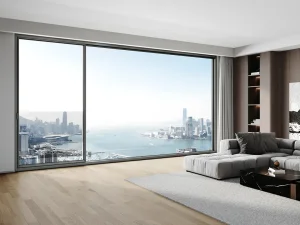
Standard PVC and basic thermal breaks are giving way to advanced composite systems. Injecting insulating polyurethanes or aerogels directly into the cavities of aluminum profiles significantly limits thermal transmission. These innovations allow manufacturers to construct large panoramic sliding glass doors without compromising the building's overall energy performance envelope.
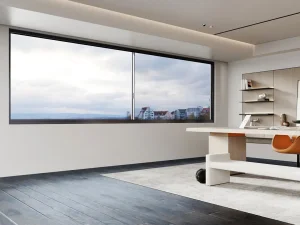
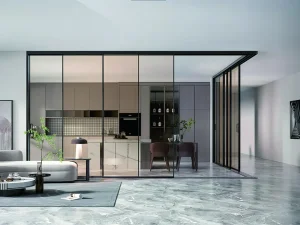
Architects constantly seek to reduce visible structural framing. High-end sliding systems now feature ultra-narrow profiles where the interlocking sightline is as slim as 20mm. Supporting large glass panels with these thin frames requires using high-strength structural glazing sealants and specialized rollers to ensure smooth operation and long-term wind resistance.
The rise of automated building controls has accelerated the demand for motorized sliding windows. Modern sliding systems can integrate hidden brush motors, electric multi-point locks, and contact sensors that link directly into Smart Home or Building Management Systems (BMS), allowing users to control ventilation remotely while maintaining high building security.
Sqm Production Base
National Patents
ISO QES Certifications
Quality Inspected
Critical structural and logistical insights for B2B buyers, architects, and engineering procurement professionals.
High-quality sliding windows utilize architectural extrusion profiles made from 6063-T5 or T6 grade aluminum alloys. T6 tempered profiles offer superior yield strength and hardness, making them ideal for heavy structural wind load situations and ultra-narrow panoramic frame designs.
Thermal breaks utilize low-conductivity materials—commonly polyamide strips (PA66GF25 reinforced with fiberglass)—to separate the interior and exterior aluminum profiles. This break blocks the transfer of heat and cold through the frame, drastically improving U-factors and preventing internal condensation.
Double glazing features two panes of glass separated by a sealed air or gas chamber, which is ideal for standard climates. Triple glazing adds a third pane and second chamber, enhancing thermal barrier performance and lowering overall U-values. This makes triple glazing perfect for extreme northern climates and high-noise urban environments.
Advanced factories leverage Industry 4.0 automated production, utilizing CNC cutting and milling machines that maintain structural tolerances within 0.5mm. This digital precision ensures that large-scale fabrication runs match shop drawings exactly, simplifying onsite installation.
For seaside applications, aluminum profiles receive specialized surface treatments such as fluorocarbon (PVDF) coatings or marine-grade powder coating finishes. These treatments meet international AAMA standards, protecting against UV rays, high humidity, and aggressive salt air corrosion.
Windows are packed into custom-built, reinforced plywood crates with protective foam corner guards, and vacuum-sealed wrapping. Desiccants are included inside the crates to prevent humidity buildup during transport, and the crates are tightly secured in containers to prevent shift-induced damage.
High-rise window designs require high-performance certifications, targeting water-tightness ratings above 700 Pa and wind resistance limits reaching up to 4000 Pa or higher, depending on local building codes and site elevations.
Yes, modern system profiles feature specialized internal hardware channels that can house magnetic contact sensors, electronic locks, and automated motor wiring. This allows windows to integrate directly with smart home control systems and automated building management systems (BMS).
Premium glass systems optimized for high insulation, minimal design profiles, and lasting structural durability.
 Suozhe Windows