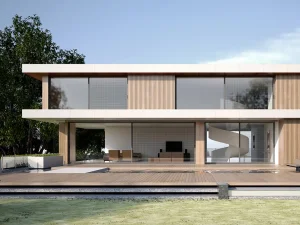
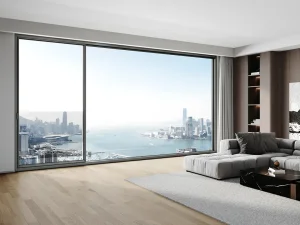
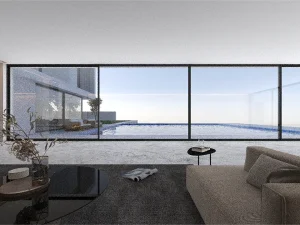
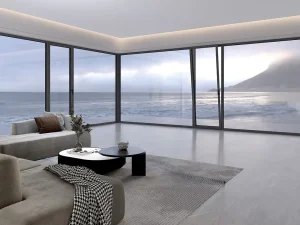
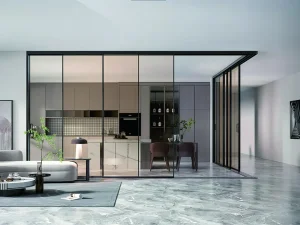
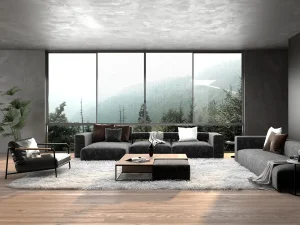
In the modern architectural landscape, retractable solar shades have transitioned from luxury accessories to essential components of sustainable building design. As global climate goals intensify, the demand for intelligent shading systems—manufactured with precision in China's advanced industrial hubs—is skyrocketing. These systems are no longer just about comfort; they are critical for Thermal Load Management and Energy Performance Index (EPI) optimization.
Modern retractable shades can reduce cooling energy consumption by up to 40% by blocking solar radiation before it enters the building envelope.
Integration with AI sensors allows shades to respond in real-time to sun position, wind speed, and interior lighting needs.
Developers increasingly prioritize manufacturers who provide LEED and BREEAM-certified components to meet green building standards.
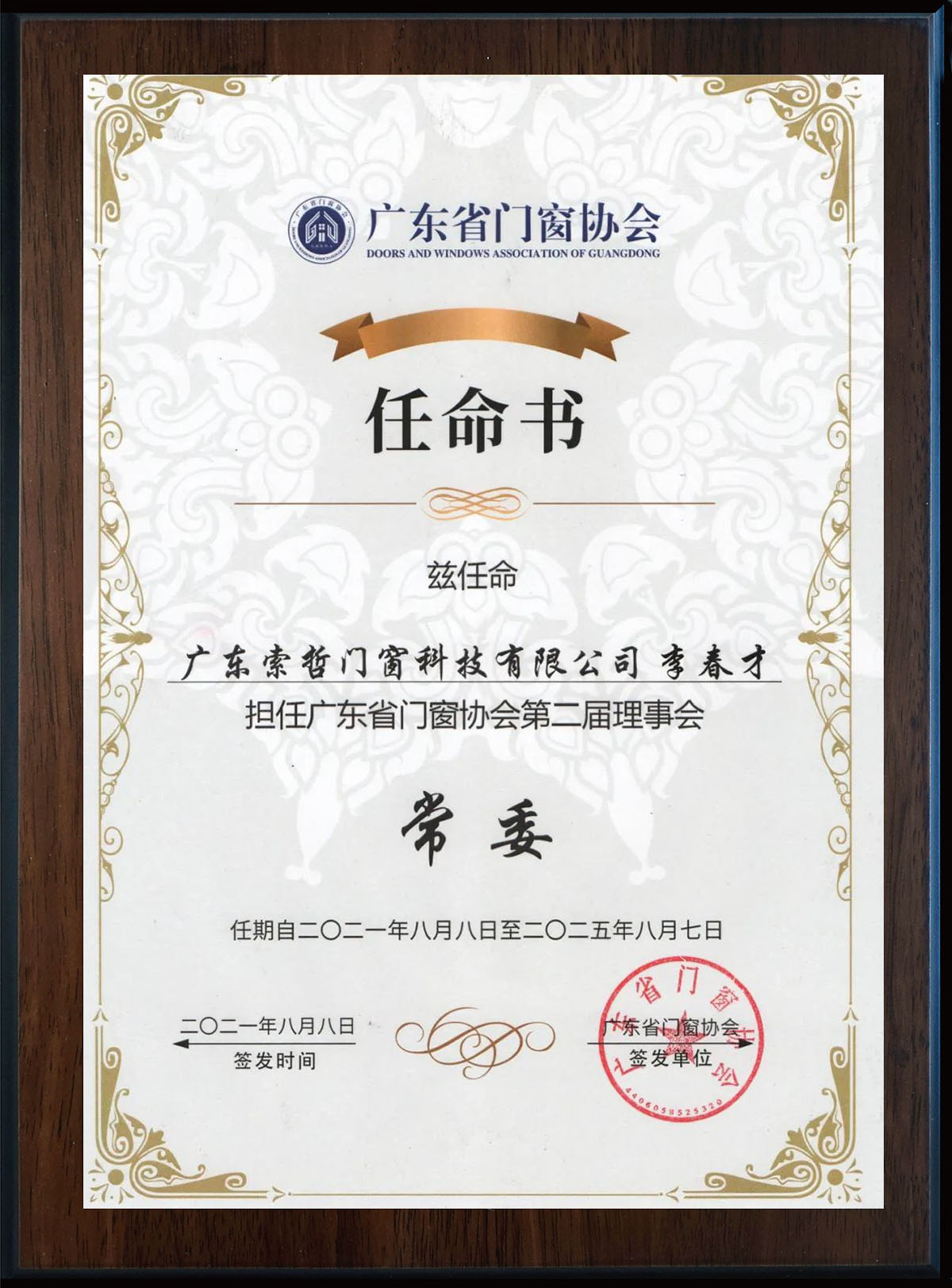
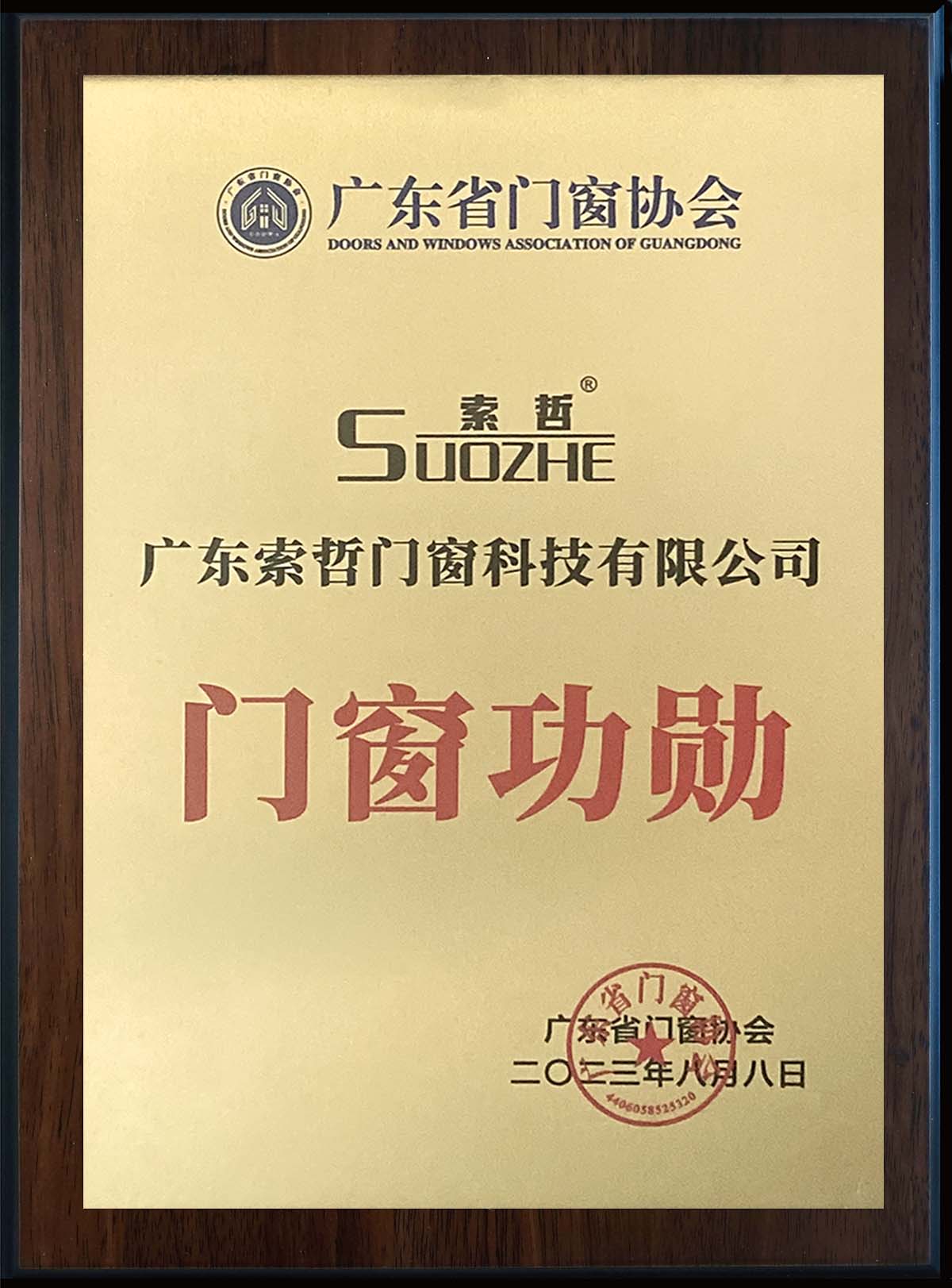
The manufacturing prowess of Chinese factories, exemplified by leaders like Suozhe Doors & Windows, lies in the convergence of massive scale and high-tech customization. Leveraging a 60,000 square meter modern garden-style production base, the industry has embraced fully automated Industry 4.0 intelligent production lines.
Suozhe is a professional enterprise specializing in the R&D, manufacturing, and marketing of architectural system doors and windows, engineering curtain wall systems, and outdoor sunshade engineering systems. Equipped with an industry-leading testing center, its products are exported to Europe, America, and Southeast Asia.
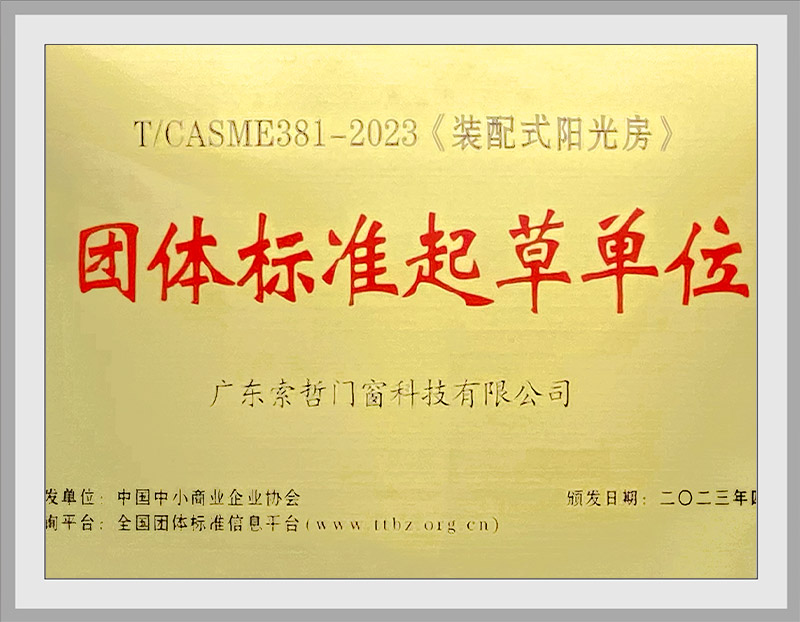
Adhering to the "Environment + Science + Human Habitat" framework, Suozhe follows "Three-High Standards": High performance, premium quality, and aesthetic appeal. As a participating editor of the Prefabricated Sunroom Standards, they lead in seamless welding and high-performance system window solutions.
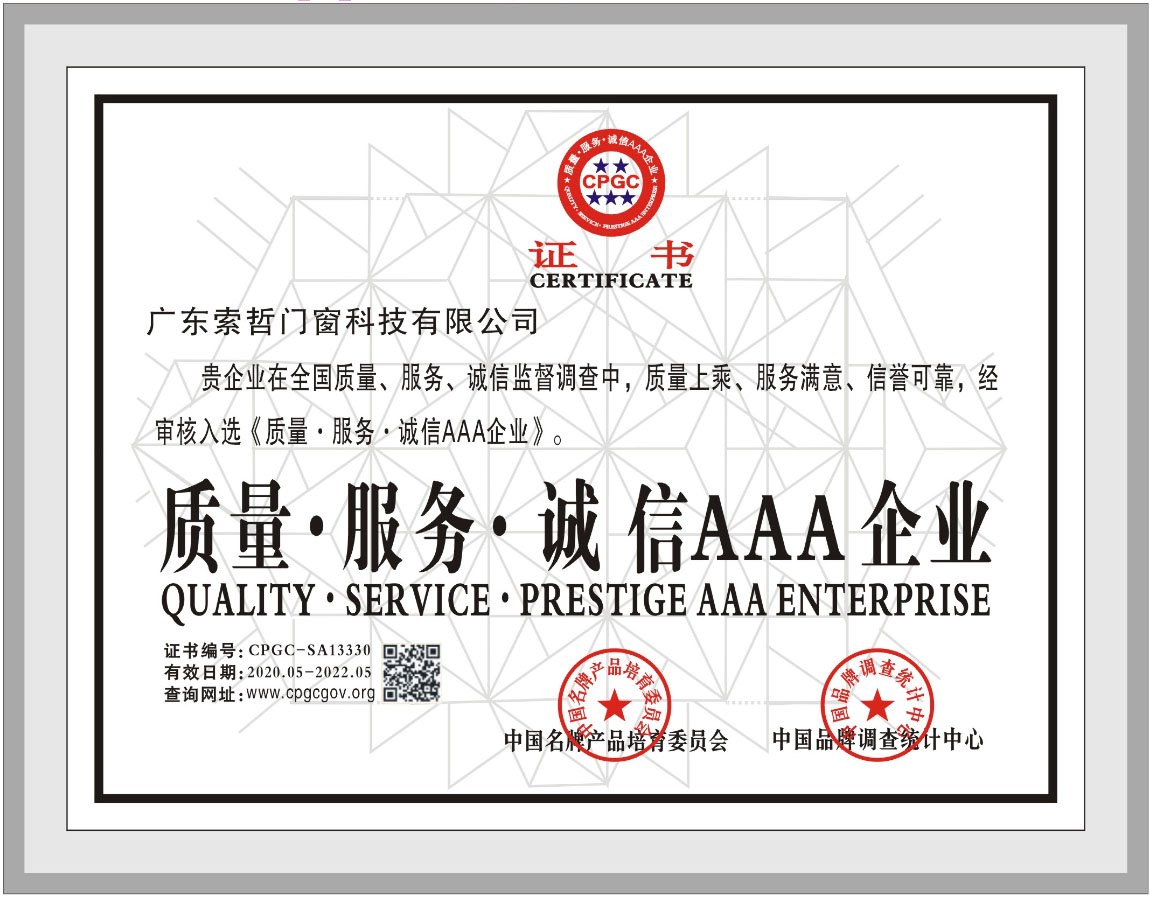
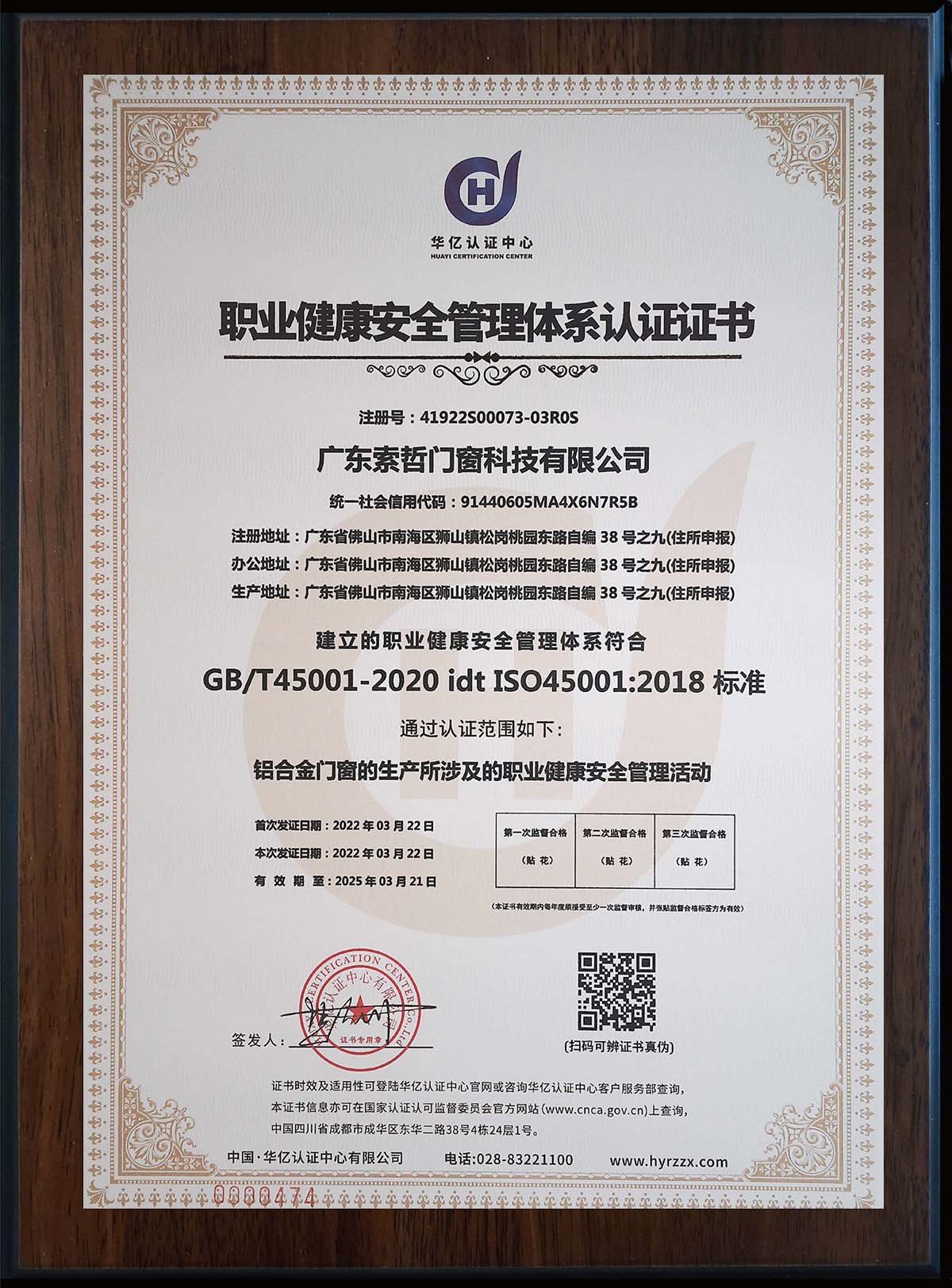
Trust is the currency of global procurement. Leading China manufacturers secure QES (ISO 9001/ISO 14001/ISO 45001) triple management system certifications to ensure every retractable solar shade meets rigorous safety and durability benchmarks.
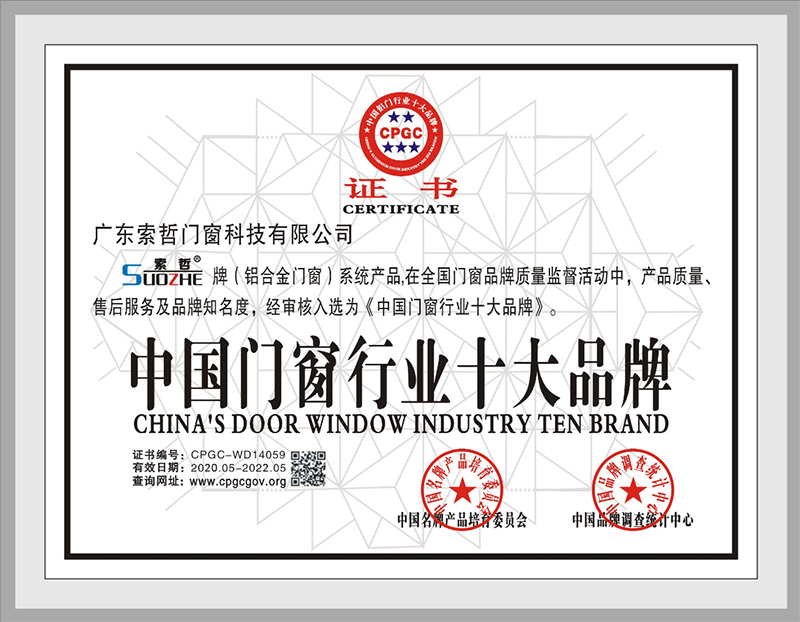
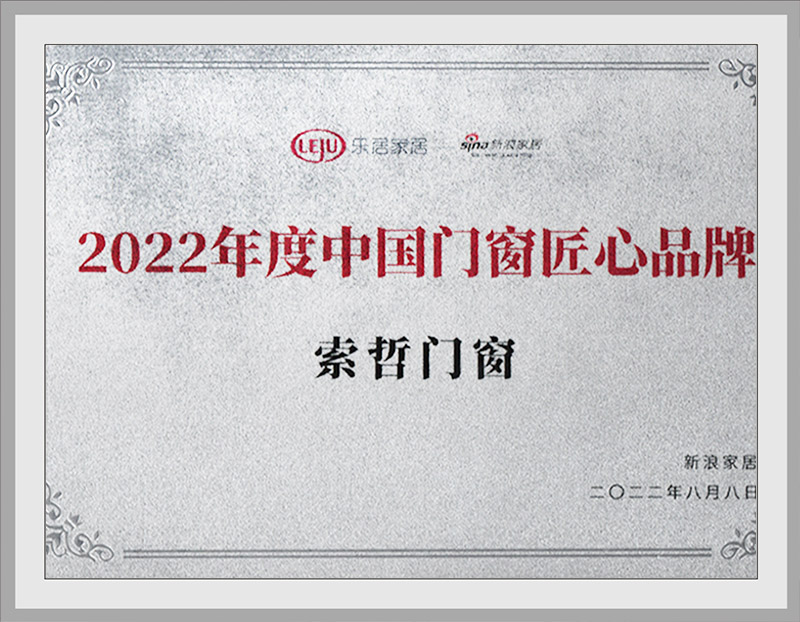
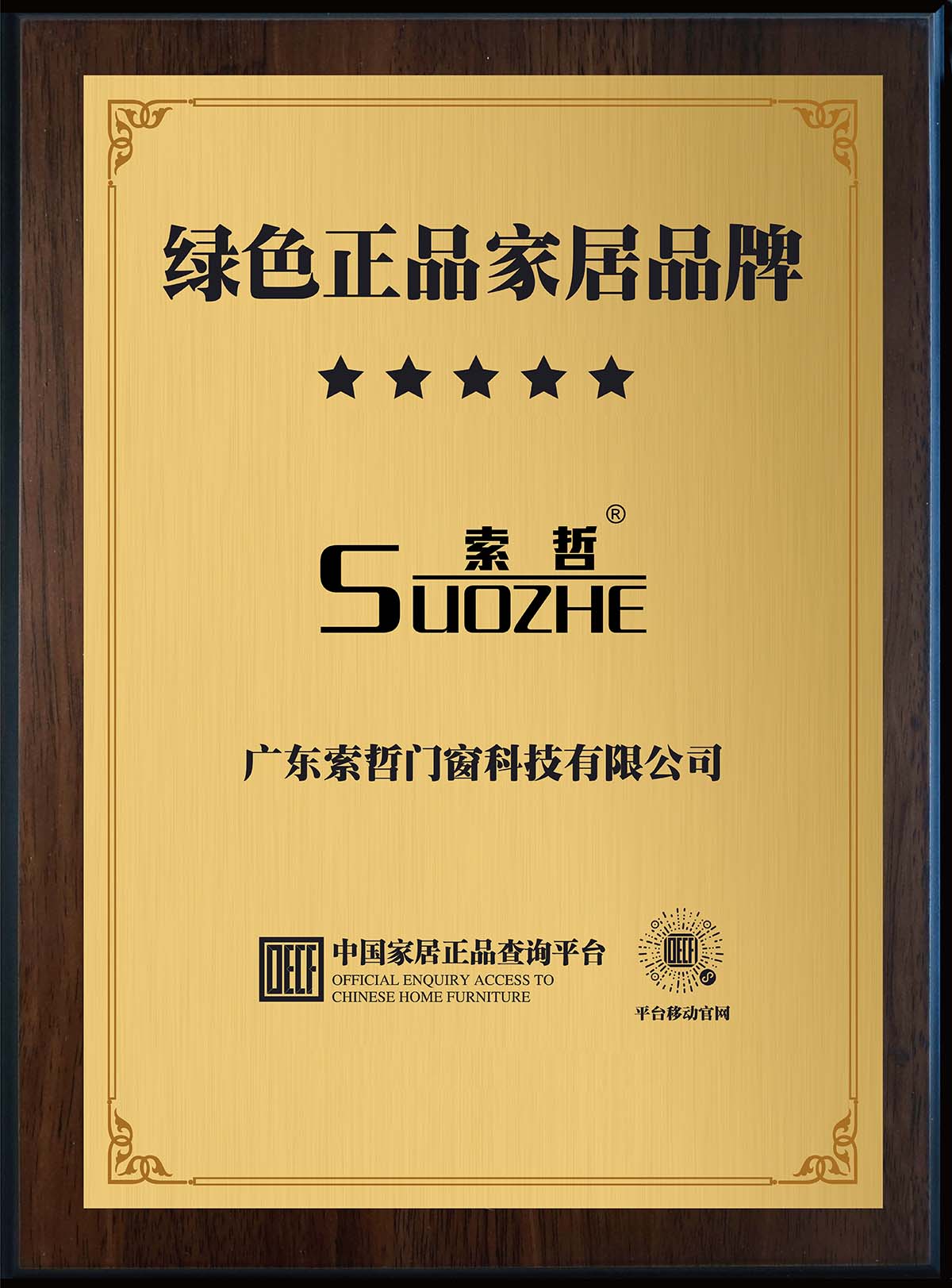
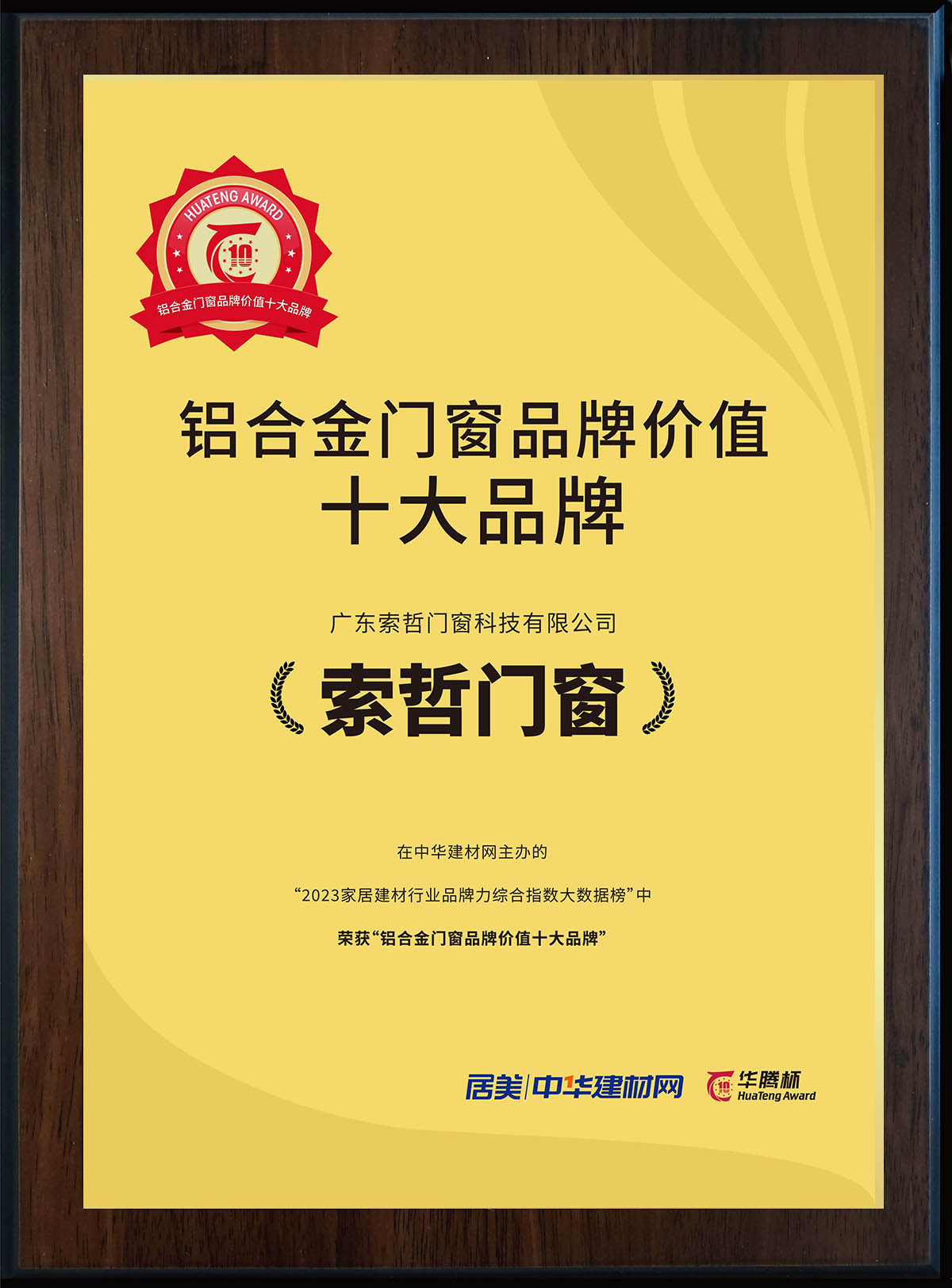
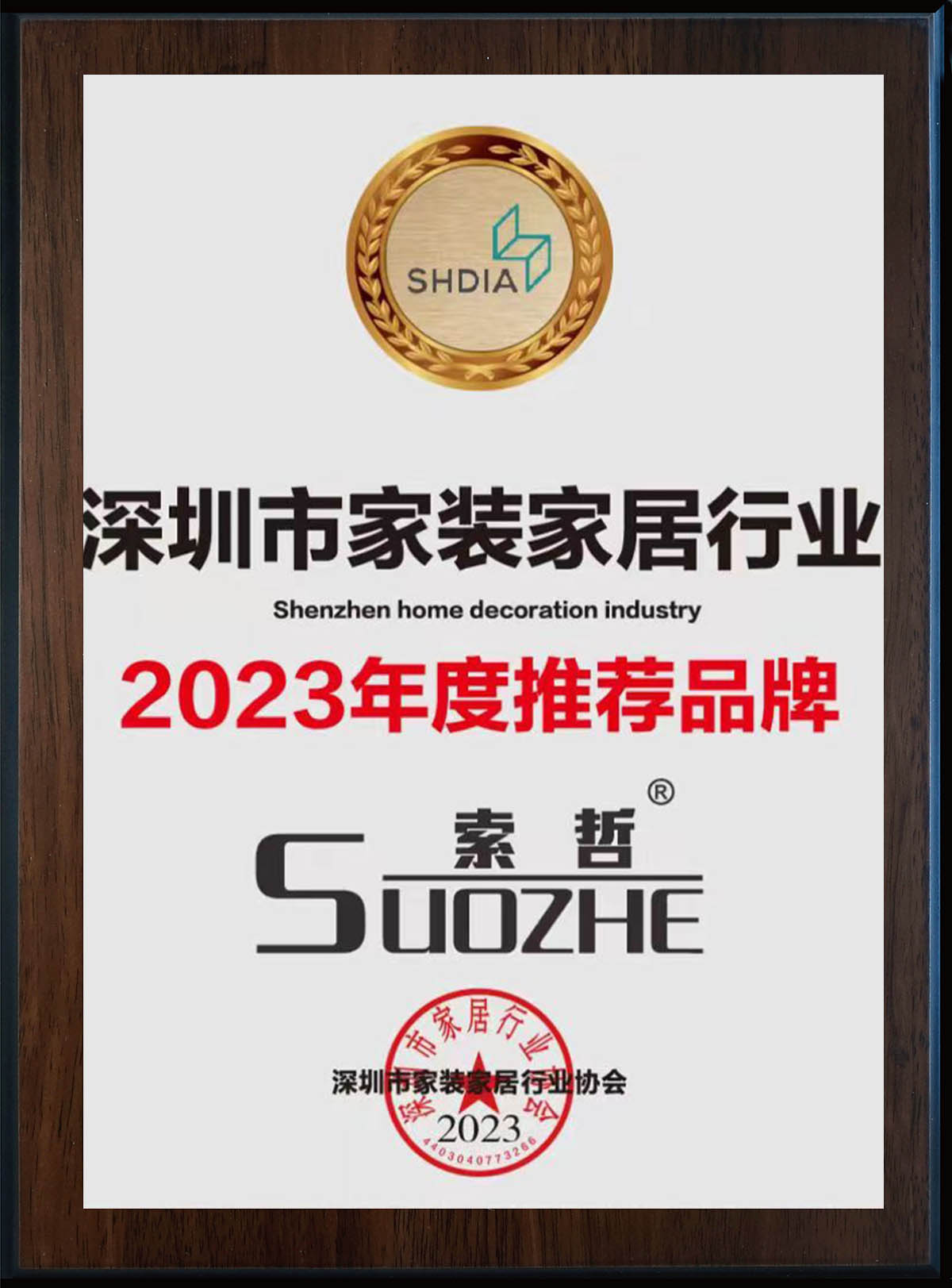
Retractable shades are being integrated directly into curtain wall designs (BIM). This "Active Facade" approach optimizes natural light while preventing glare.
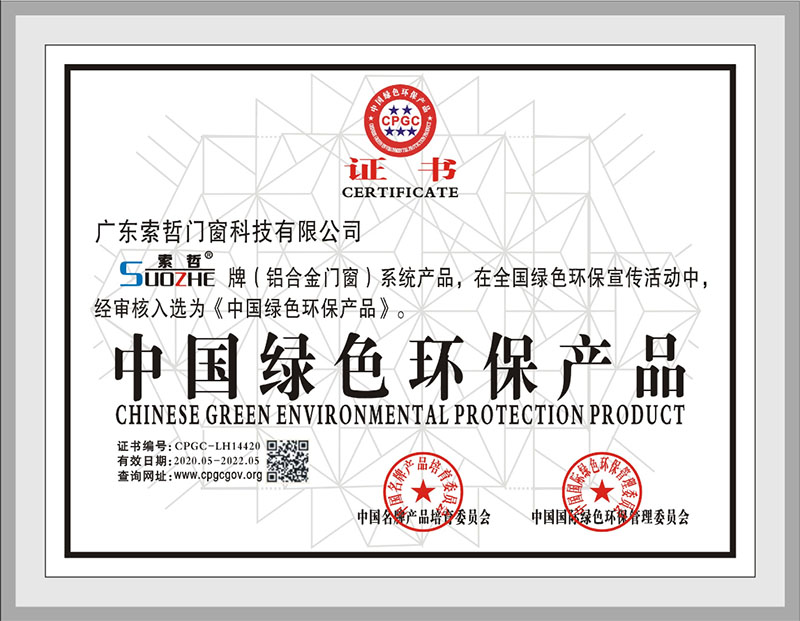
Focusing on materials that have a low carbon footprint, such as recycled aerospace-grade aluminum and UV-resistant technical textiles.
Minimalist aesthetics (ultra-narrow frames, flush mounting) are dominating high-end commercial projects in NYC, Dubai, and Singapore.
International buyers from construction firms and architectural studios look for several key factors when selecting a China-based factory:
Enhancing villas and luxury apartments with motor-driven awnings and zip-screen shades for private terraces.
Using vertical retractable solar shades to eliminate screen glare and reduce HVAC operational costs in glass-heavy office towers.
Expanding outdoor seating areas for restaurants and hotels, providing weather protection and climate control for guests.
 Suozhe Windows